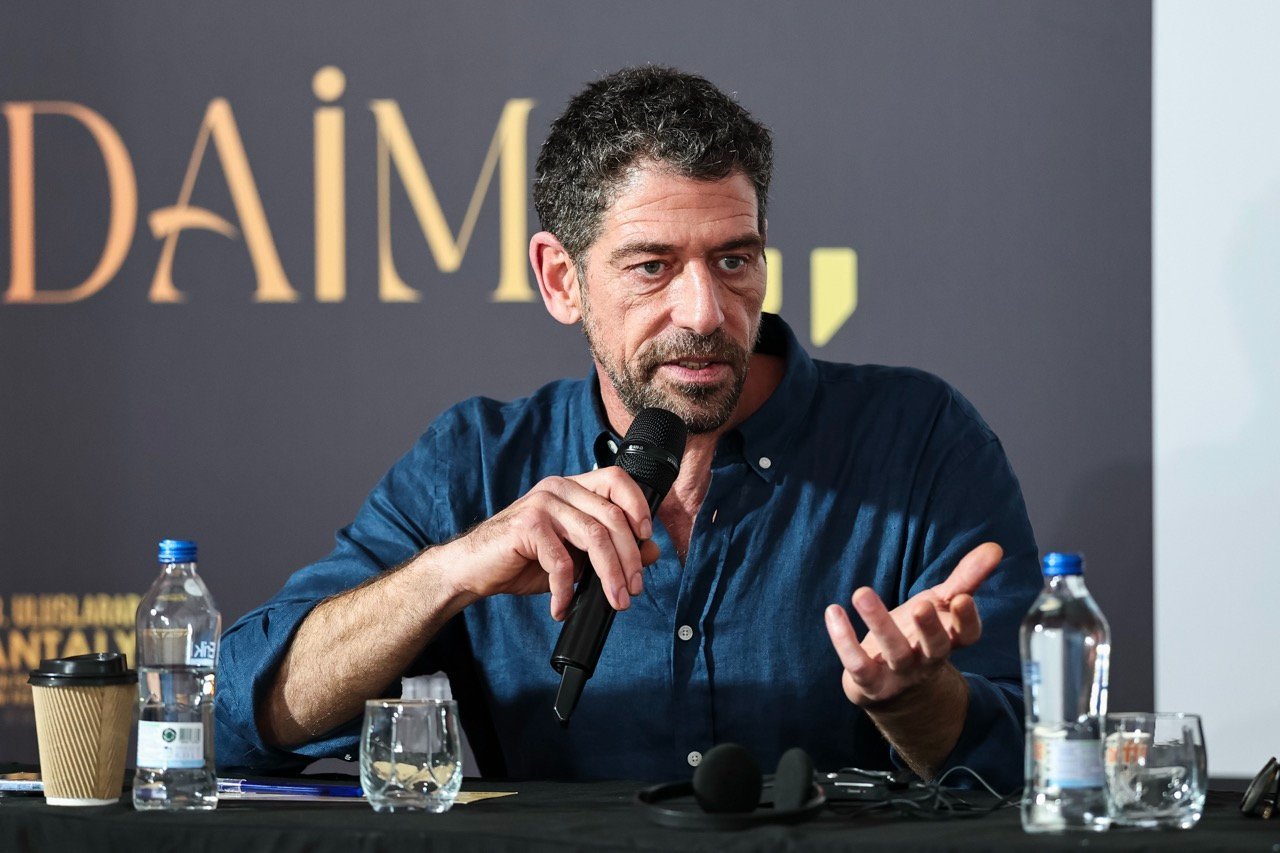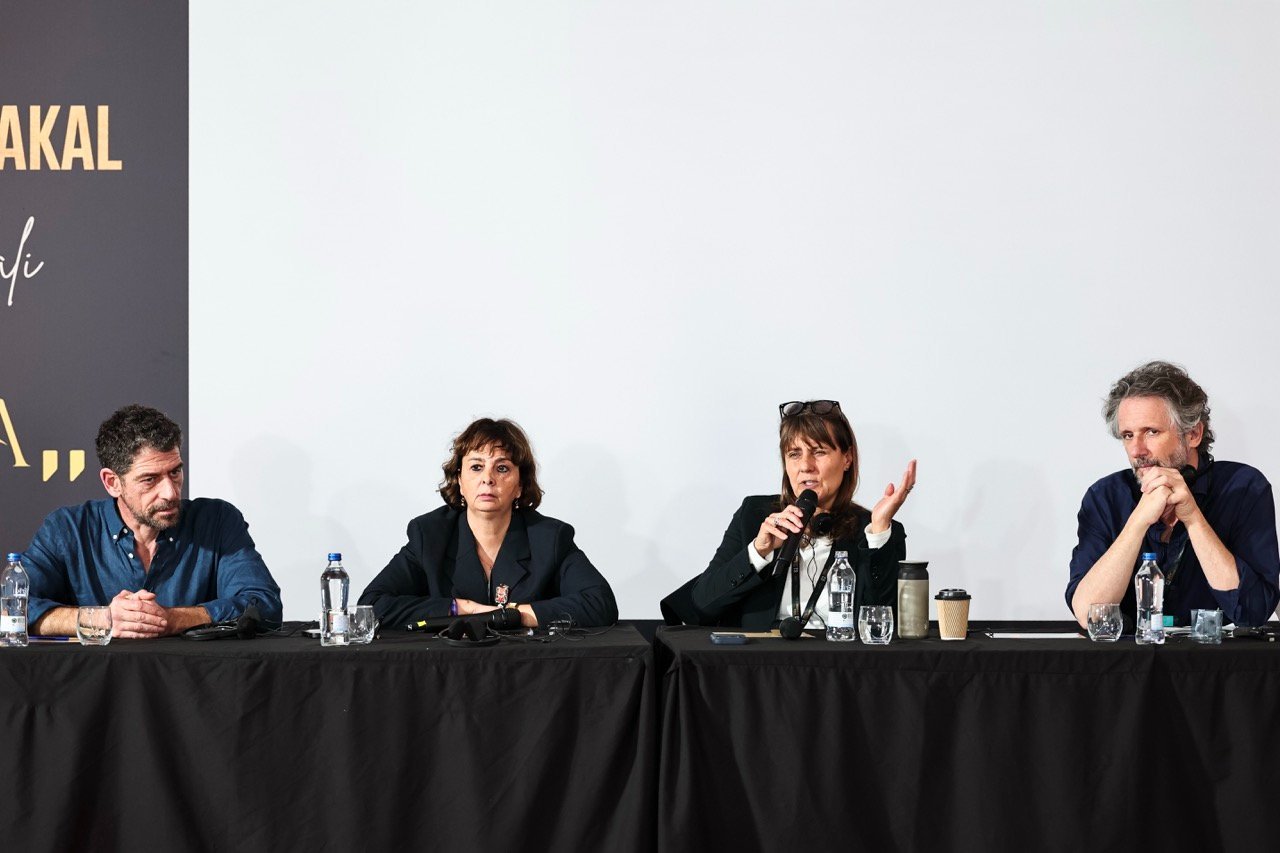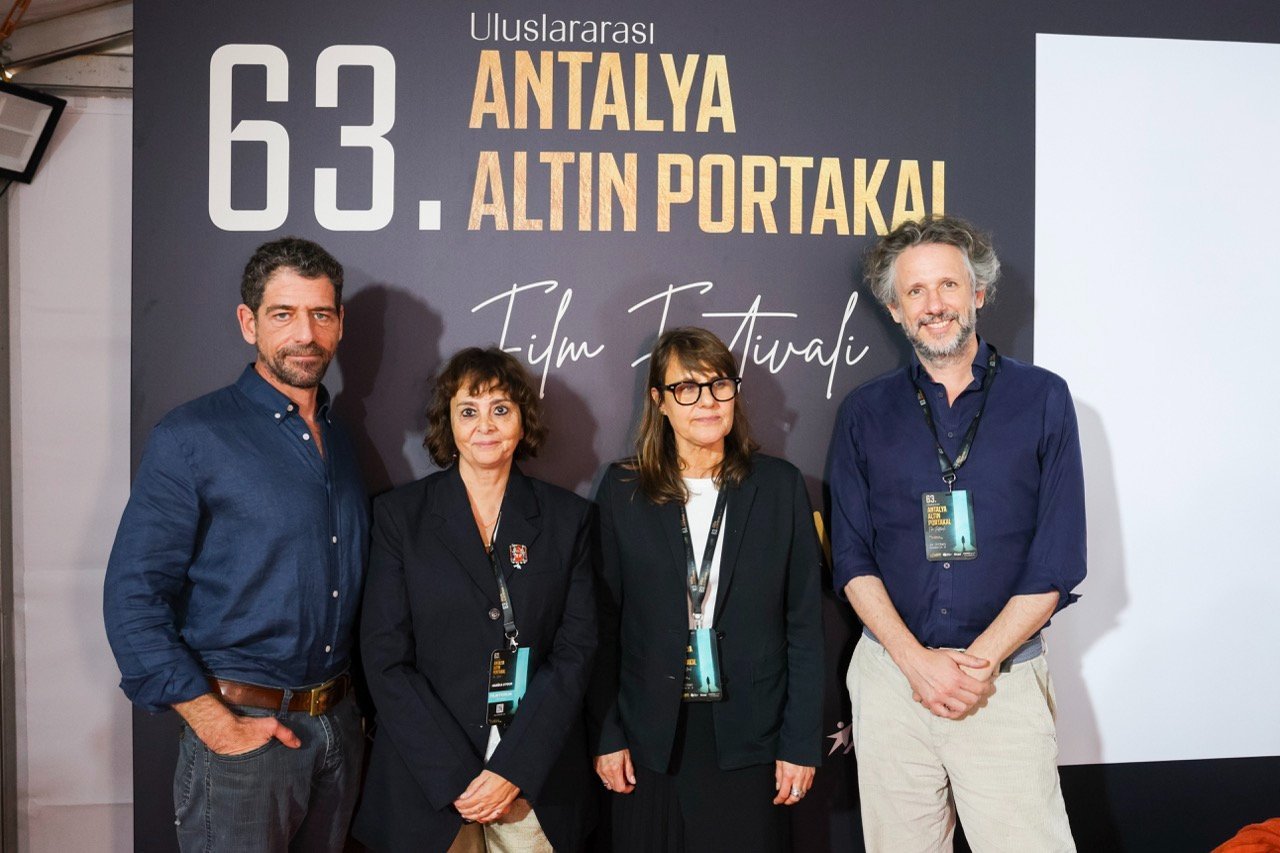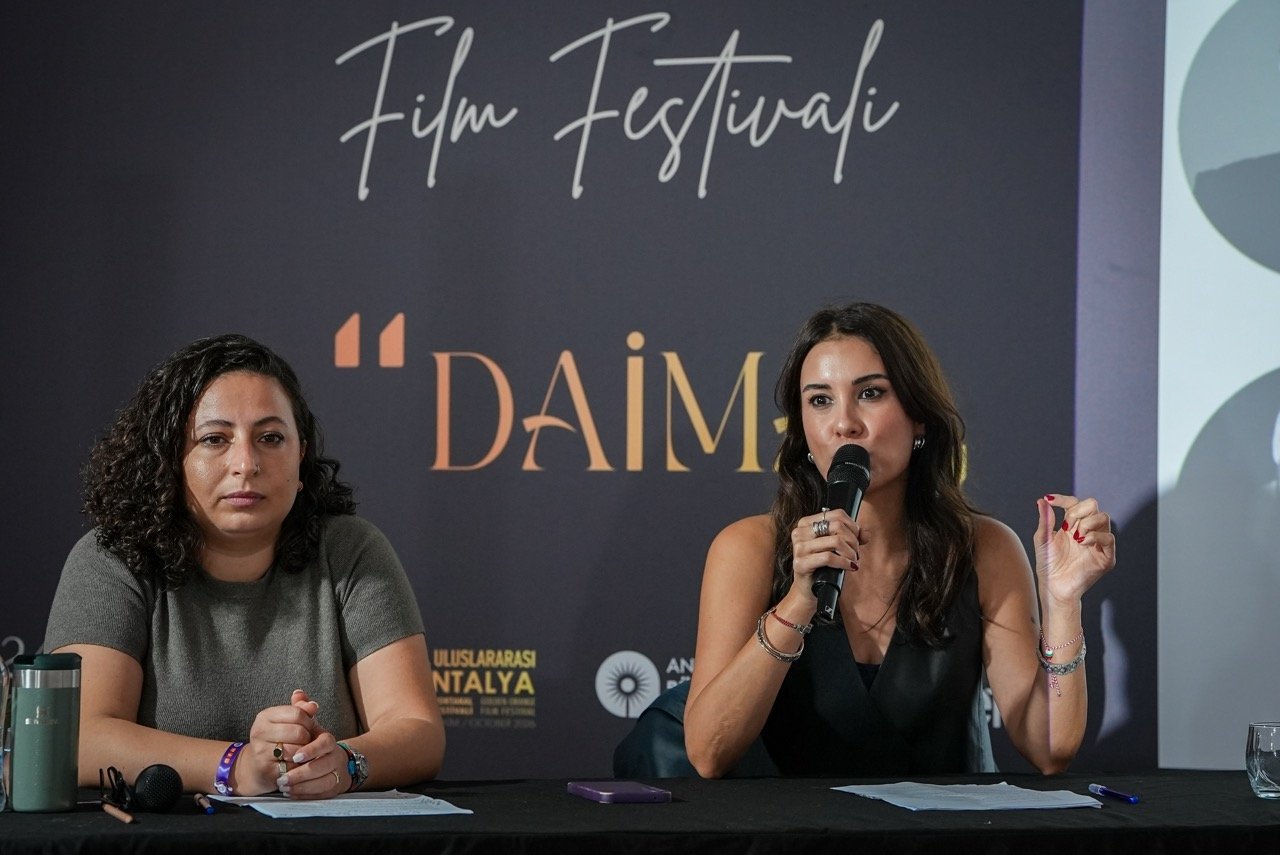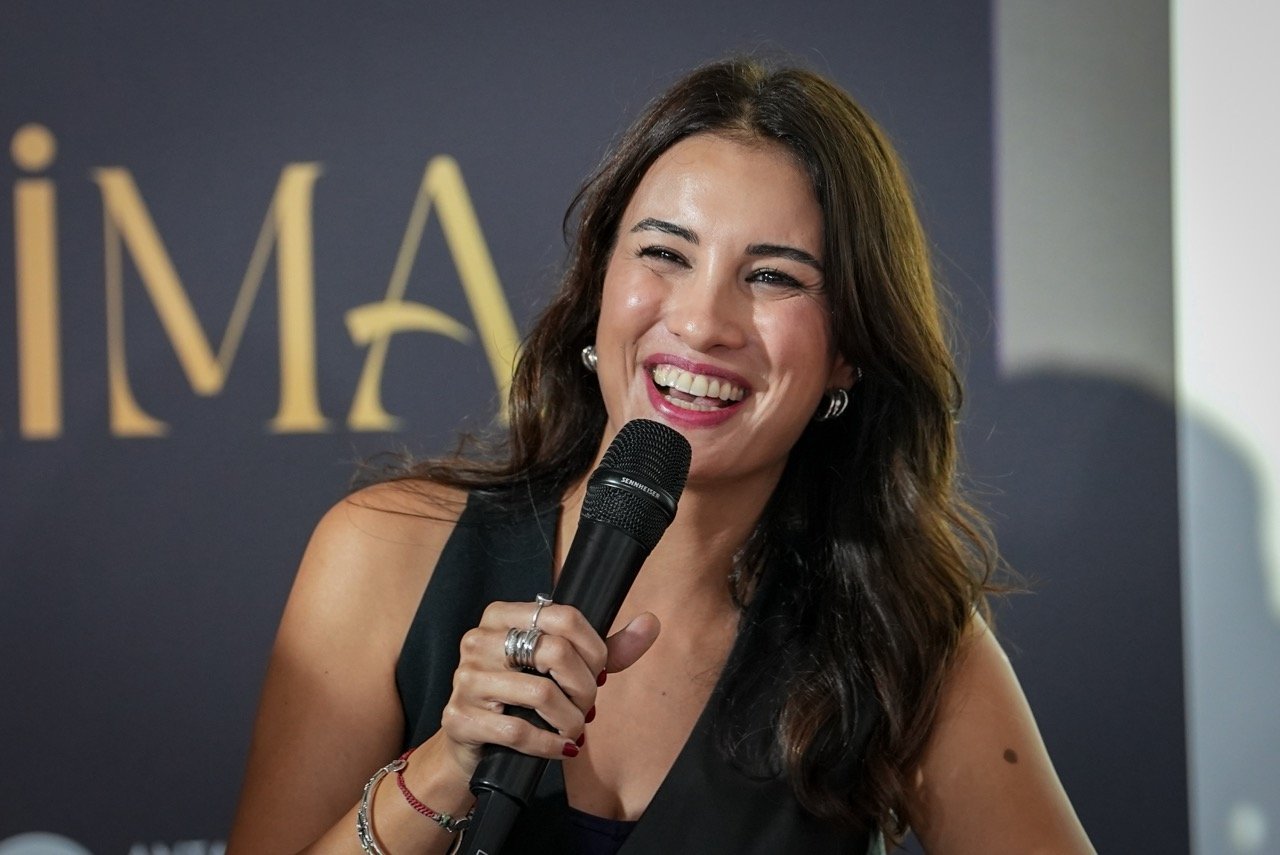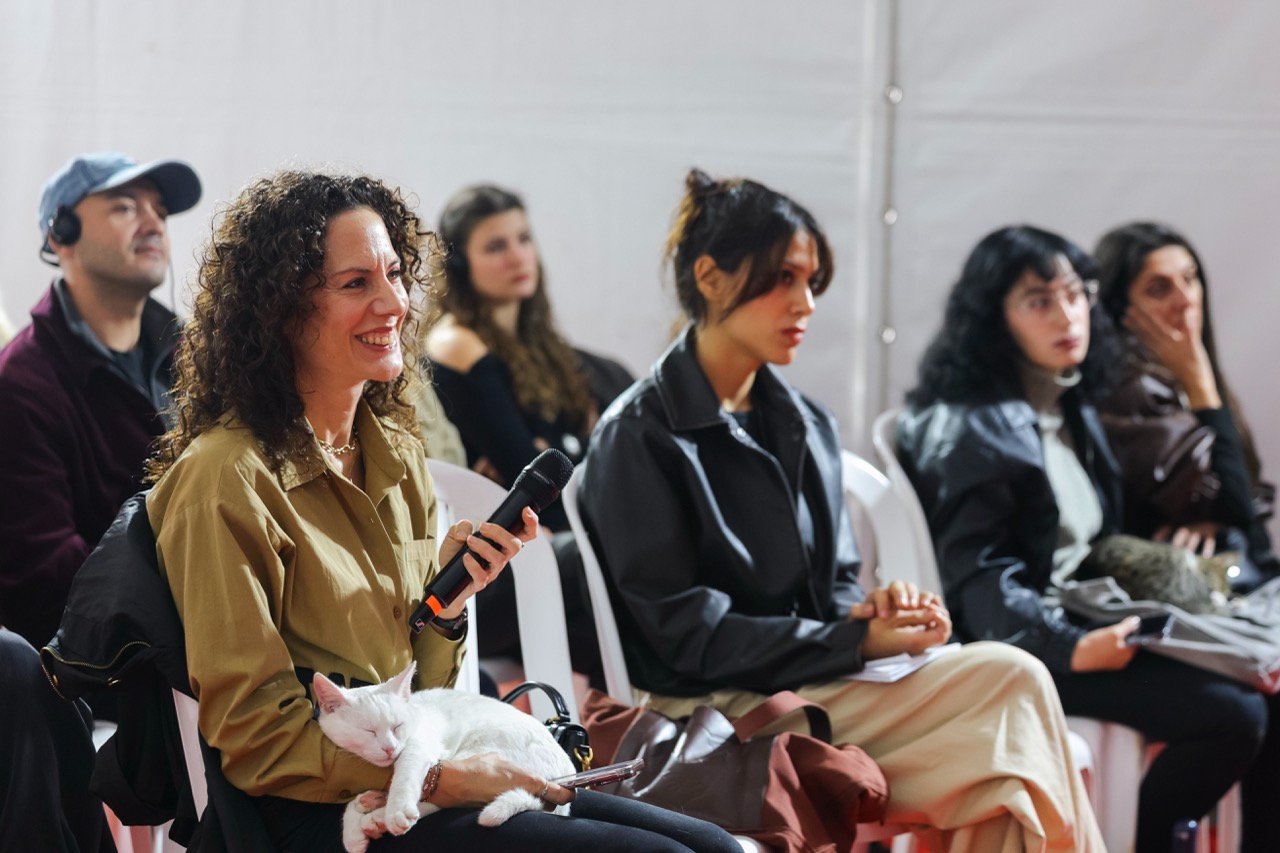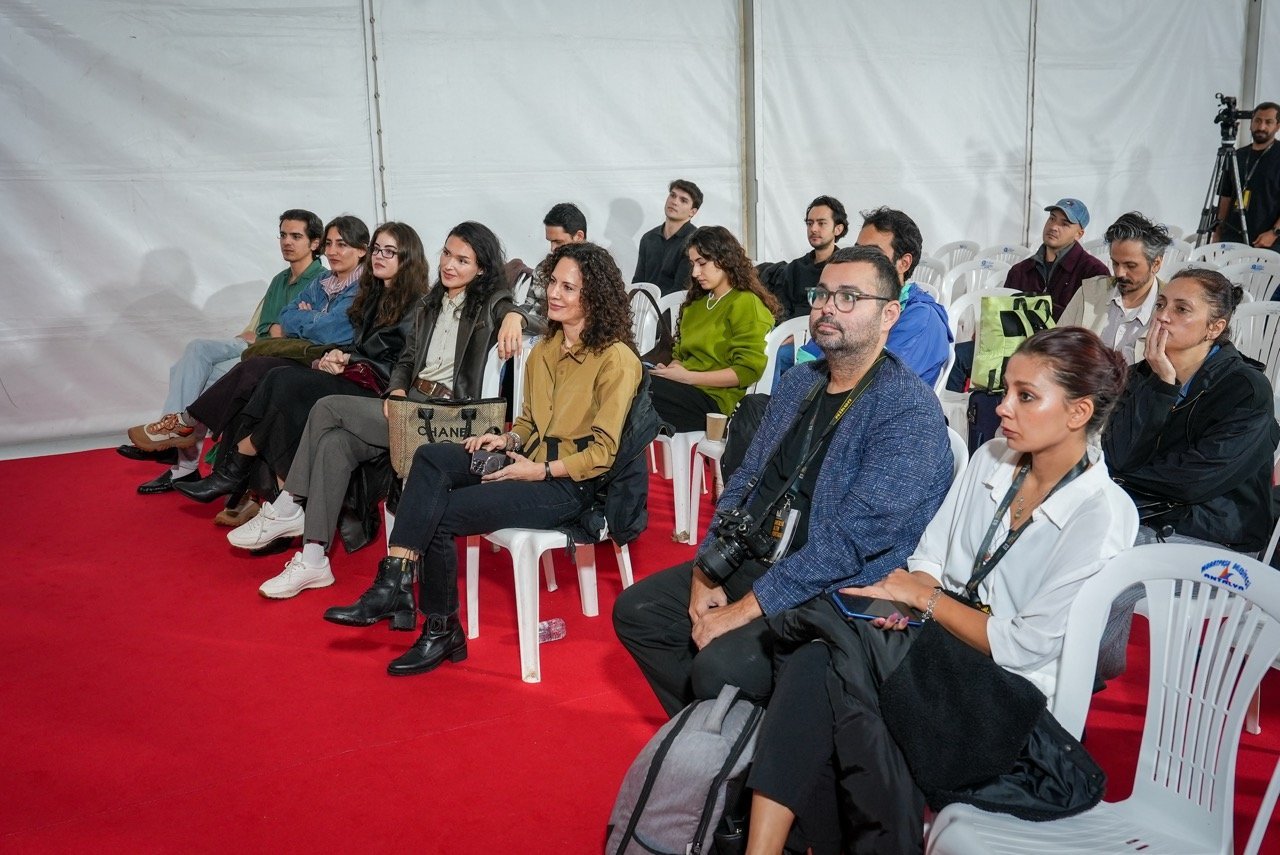
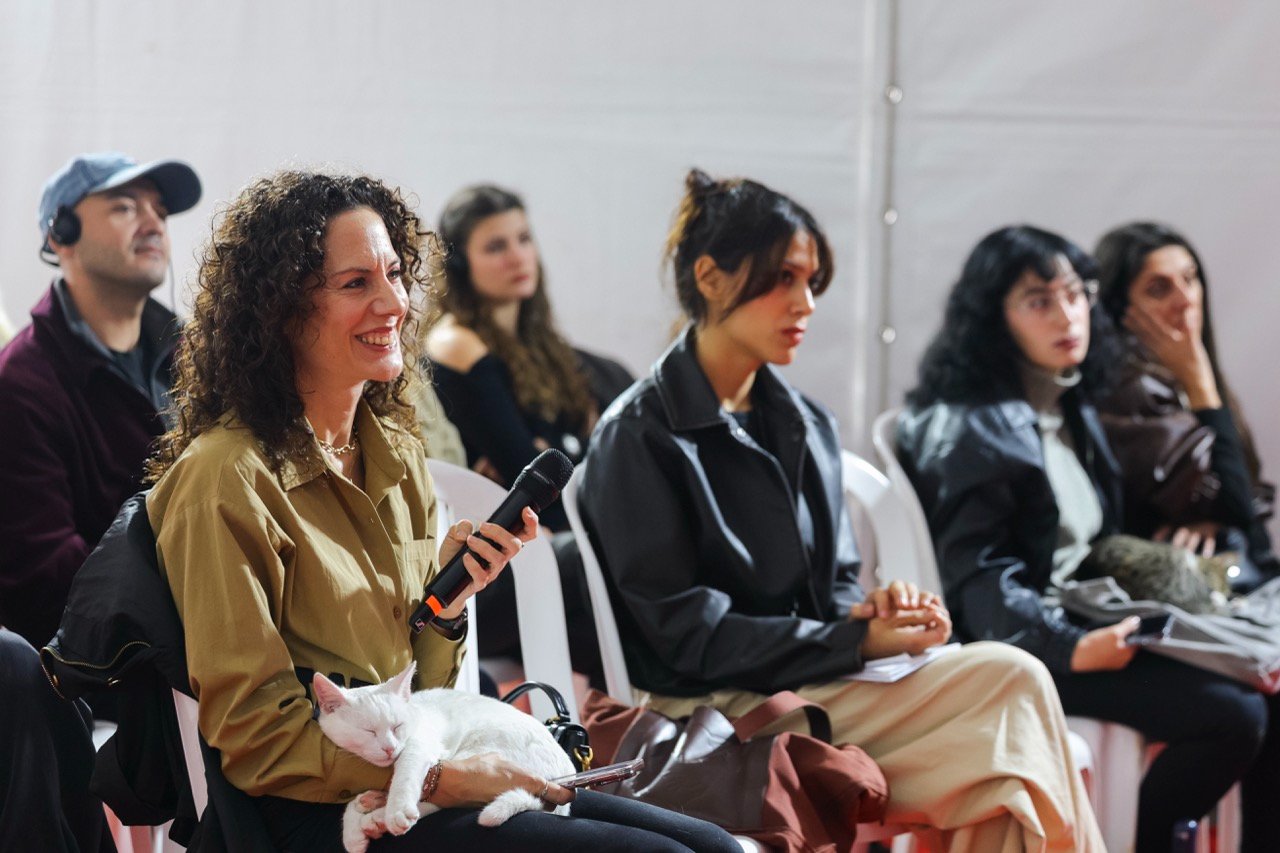
With its mission of supporting Turkish cinema in every field, the Golden Orange Film Festival hosted a significant gathering today. Tips on securing roles in international co-productions, which represent the first step towards entering the international market for Turkish actors, were shared during a panel featuring international casting markets and industry experts.
The 63rd International Antalya Golden Orange Film Festival added another event to its ongoing efforts to support Turkish cinema across various fields, hosting a panel today focusing on Turkish actors' access to the international market.
Titled “Beyond Location: How Talent Attracts International Co-Productions,” the panel offered insights into how Turkish actors can gain access to successful international productions that reflect their potential, drawing on the perspectives of international casting markets and industry experts.
The panel featured actor Cemal Hünal, casting director Harika Uygur, Lucinda Syson and David Zitzlsperger, Director of Filmmakers Europe.
Opening her remarks by noting that she had been in the industry for 35 years, Lucinda Syson highlighted the many changes the industry had undergone during this time, pointing out that casting has increasingly become international as co-productions have grown in number. Syson said: “If I need someone for a role in Turkey, or if I need Harika to do some research, her knowledge is enormous and far beyond what I could ever have myself. That is why I turn to Harika, and now we have a network like this across Europe.”
“Even Haluk Bilginer auditioned; keep that in mind!”
Harika Uygur noted that this shift had become particularly evident following The Danish Girl, and continued:
“Diversity has expanded enormously around the world, especially after the film The Danish Girl. In a way, this film proved that actors could be international. As you know, in the past, Omar Sharif was the only one who played Turkish characters. I broke that pattern with The International. Tom Tykwer had originally cast Omar Sharif for Haluk Bilginer's role. I asked, ‘Why does Omar Sharif have to play every Turkish character? Are there no actors in Turkey?’ So I suggested Haluk Bilginer. Gina Jay was the casting director; Haluk Bilginer auditioned for Gina Jay. Everyone, he auditioned! Please keep that in mind: Haluk Bilginer auditioned. And then he went on to get the role.”
“I suggested Aras when they were looking for an actor from Romania for Nine Perfect Strangers”
Uygur also recalled a similar situation involving the highly popular Amazon series Nine Perfect Strangers, explaining:
“For Nine Perfect Strangers, David Trueba asked me to cast actors from Romania. I said, ‘I'm Turkish, and Romanians and Turks are very similar. That means we could also play Romanian characters. Why shouldn't we suggest Turkish actors?’ So I held auditions in Turkey. We auditioned approximately 200 people, and in the end, Aras (Aydın) got the role.”
David Zitzlsperger, Director of Filmmakers Europe, a Europe-wide casting network for co-productions, explained the organisation's founding principles and how it operates:
“At Filmmakers, we are trying to build a platform that makes actors and agents visible to the creative professionals who work closely with producers and directors, namely casting directors. We started in Germany in 2017 because casting director Simone Bär asked us to develop software that would enable her to do this across Germany, Austria and Switzerland. We were very fortunate because Simone Bär was one of the most influential casting directors in Europe at the time. She told us that she needed access to agents and actors, but that this access also had to be connected to her international colleagues. This was driven by the rise of international productions and co-productions.
“It is wonderful to see that this initiative, which began in Europe, has now resulted in approximately 160,000 European actors and around 3,300 agencies being visible to casting directors on our platform. However, we see that there is a missing link between Turkey and the rest of the network. When international casting directors work together on projects on the scale of those Lucinda and Harika are involved in, we notice that Turkish talent is not nearly as visible as it should be.
“To put this into perspective, ten years ago, if a Turkish actor was needed in London, they would look for someone who looked Turkish. Today, they look directly to Turkey. Our role is to highlight this within the Turkish film community and ensure that Turkish actors become visible on our platform.”
Zitzlsperger also pointed out that one of the requirements for securing support for co-productions in Europe is the involvement of talent from different regions, emphasising that this could present an opportunity for Turkish actors:
“Despite the abundance of talent in Turkey and the considerable size of its industry, from the perspectives of Germany, France and the United Kingdom, the visibility of Turkish talent and the idea of co-production are not as prominent as they are in other countries. There are political reasons for this, but another contributing factor is that the talent here is not sufficiently known or visible. In Germany, funding is often directly linked to actors and their profiles. Casting directors become involved very early when a project begins. To secure approval from regional funding bodies, they include major names with box-office appeal or emerging talent from that particular region in their applications. In international co-productions, it is very important to have this representation from multiple regions.
“Although there are many Turkish talents living in Germany, we see that those living in Turkey are almost entirely invisible. Our aim is to help you become visible. This benefits us as a company, as well as the casting directors who work with our system. Once you become visible, your language skills can take you into co-productions beyond Turkey, while also helping international productions come here.”
At this point, Lucinda Syson's strongest recommendation to Turkish actors was clear: English.
“The one thing I would strongly and absolutely recommend is that you improve your English as much as possible, starting now. We give the same advice to British actors regarding their American accents. If you want to enter the world of European or American co-productions, you really need to make your English as close to perfect as possible. Because it is not simply about being able to have a conversation with someone; it is about being able to act in that language, having the confidence to perform in it and being natural. That is what will eliminate you in auditions.”
Advice for Actors Seeking to Work Internationally
Actor Cemal Hünal asked: “What would you recommend to actors who have no visibility at all, believe in their talent and want to work internationally but have no idea where to start?” Zitzlsperger responded:
“Create a profile on our platform. It is very simple and completely free. Secondly, have professional and authentic headshots. Do not use photographs simply because you like how you look in them; choose professional photographs that present you naturally. Then make sure to enter all your skills correctly, especially your language skills. Speaking a language fluently and speaking it as your native language are two different things. As Lucinda said, do not try to learn British English; be comfortable with your own accent. Finally, embrace your own cultural heritage. Do not try to become a British or German actor; you will not be cast that way anyway.”
What Do Actors Experience on Set?
Another panel focusing on acting held as part of the festival today was titled “We Win Awards, But What Do We Go Through?”
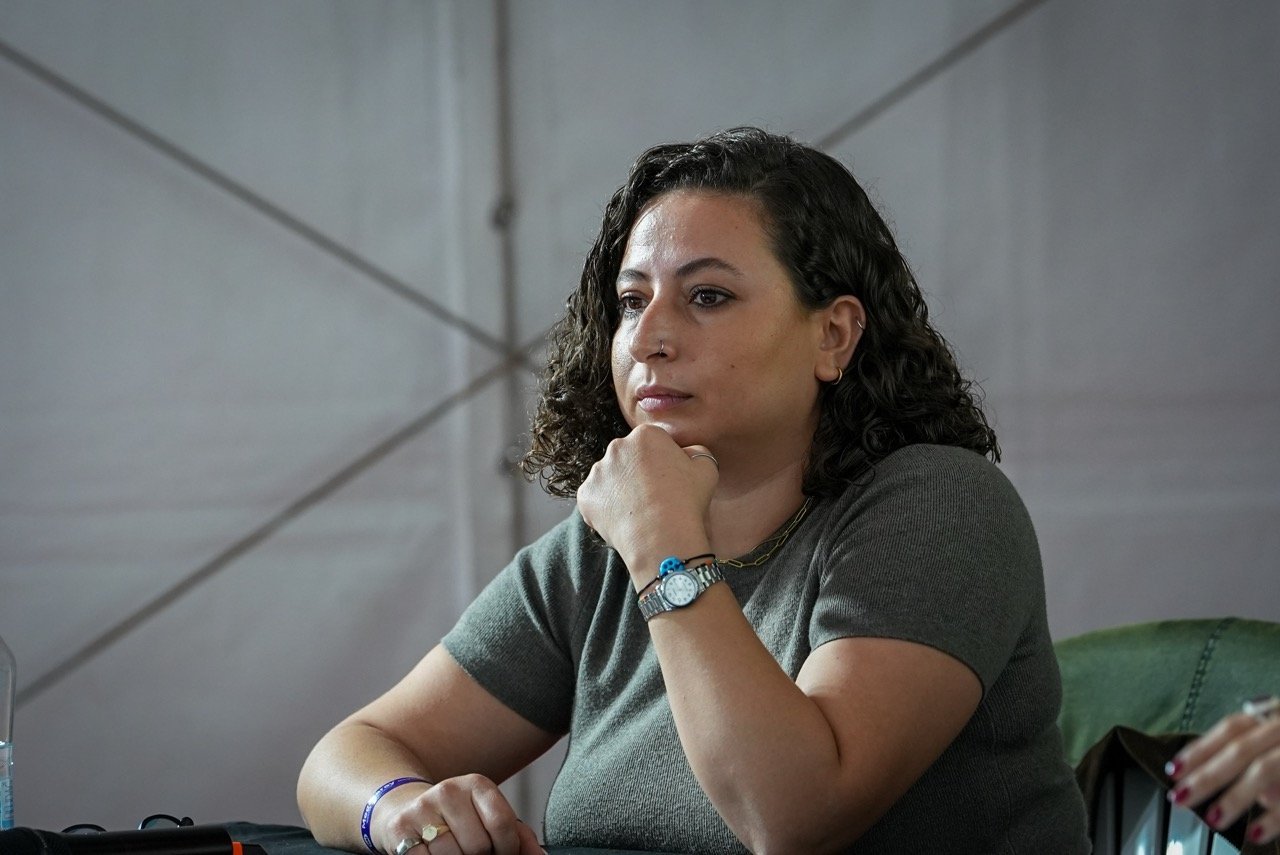
The panel, attended by Demet Koca, Organising Specialist at the Actors' Union, and Gizem Soysaldı, Head of the Union's Unit for Combating Gender Inequality, Harassment and Discrimination, addressed the representation of women in cinema and television.
Drawing attention to how female characters are often portrayed not as individuals in their own right, but through their relationships with others, Gizem Soysaldı said:
“According to a study conducted by the Cinema and Television Union in recent years, in television series, ‘women are the ones who gossip, while men are mostly the ones who drive cars.’ Women are rarely given a specific profession. Stories frequently revolve around men rescuing women. And we keep going around in the same old clichés: a beautiful but clumsy female lead and a handsome, strong and wealthy male lead! Then there is the very beautiful, sexy woman whose profession is never specified and who spends her entire life plotting to separate our leading couple!”
Soysaldı also addressed age discrimination, reminding the audience that the range of roles available to actors, particularly women, becomes increasingly limited as they get older.
Noting that the union works on many of the challenges actors face in the industry, Soysaldı shared details of their recent initiatives:
“Approximately four years ago, we began working with intimacy coordinator Ece Türkmut Dere. As a union, we established a formal definition of this profession. We organised videos, launches and meetings to introduce it to the industry, and we jointly developed the relevant protocols. To date, intimacy coordination has been used in 16 productions in Turkey. In January 2026, our union held a workshop with more than 120 participants, and the Set Working Principles were developed as a result of this workshop. Through this initiative, we established minimum working standards and presented them to the public, producers and the state.”
“They Used to Put Child and Baby Actors in and Out of Water to Keep Them Awake”
Demet Koca, meanwhile, addressed some lesser-known issues concerning children and babies working on film and television sets:
“Article 71 of the Constitution states that children cannot work at night, yet in our industry, child actors also work during nighttime hours. Perhaps ten years ago, there were no pedagogues or child acting coaches on set. However, the campaign ‘There Are Children on This Set’, which the Actors' Union has worked to establish as an industry practice over the years, now continues under the name ‘There Are Children in This Workplace’. Children and baby actors used to be put in and out of water on set to keep them awake. But now there is a pedagogue.”