The Antalya Golden Orange Film Festival values nature as much as cinema! The Yeşil Setler Mümkün (Green Sets Are Possible) initiative, which aims to promote environmentally friendly filmmaking in Türkiye, joined the festival’s talks programme today.
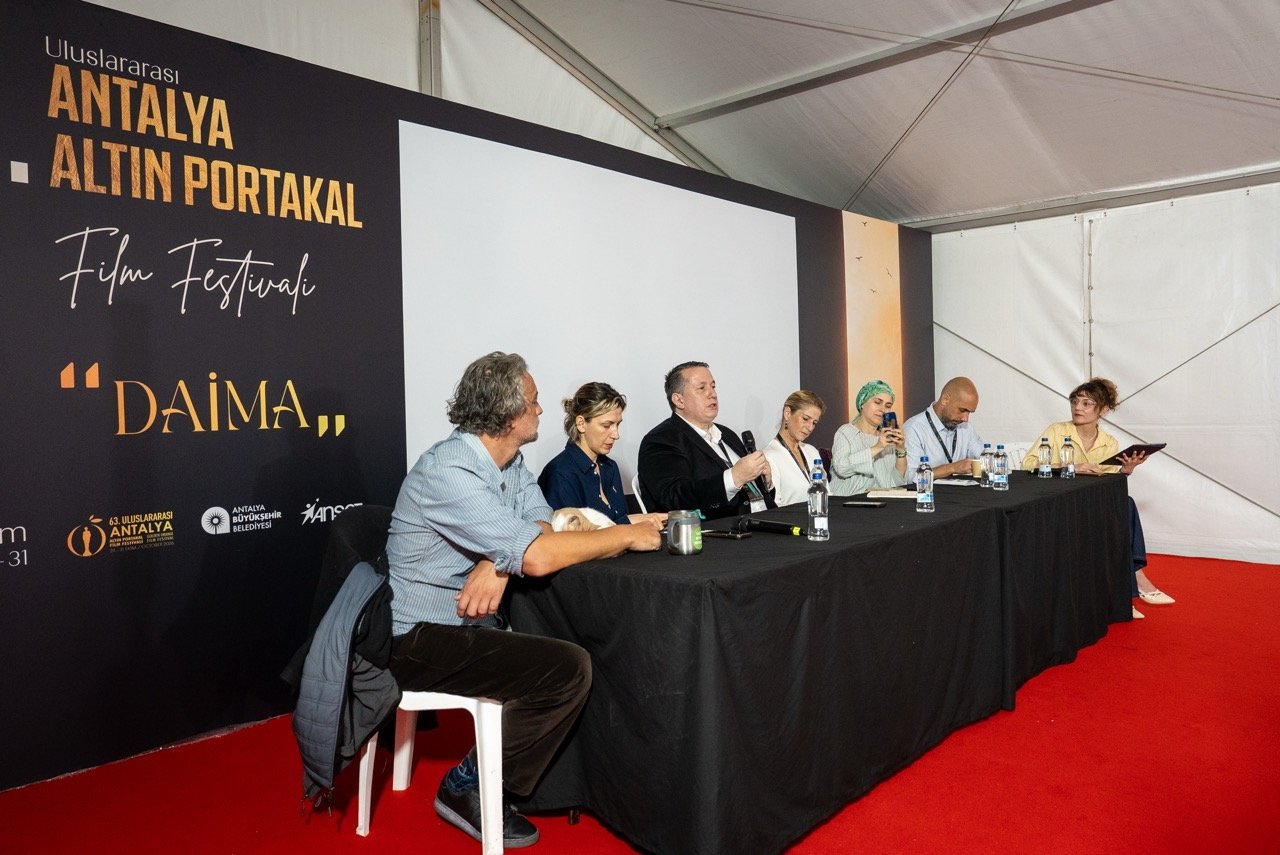
The 63rd International Antalya Golden Orange Film Festival continues to uphold its commitment to social responsibility. Addressing the impact of the climate crisis on the film industry, the festival has begun reducing printed materials and introducing environmental awards at the Film Forum this year. Today, it hosted a panel organised by the Yeşil Setler Mümkün Initiative.
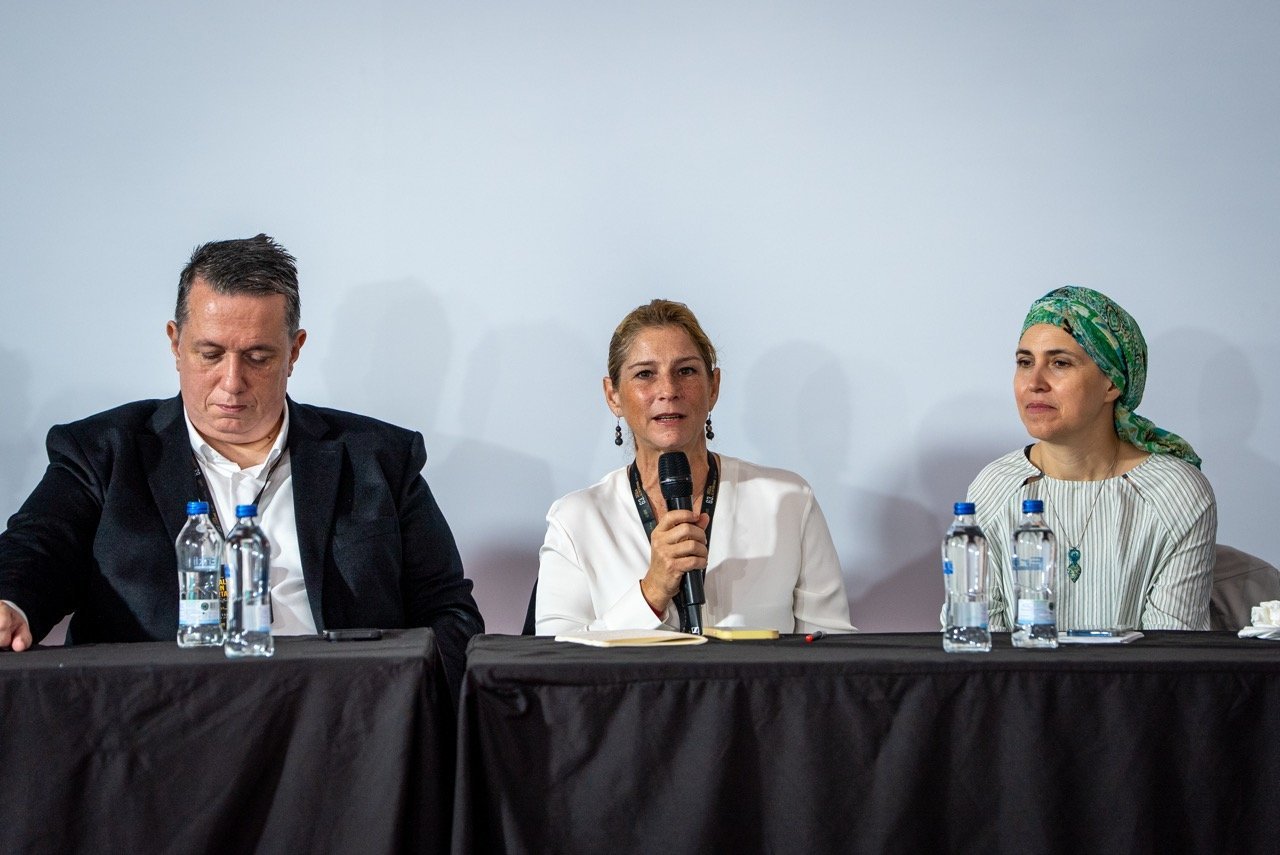
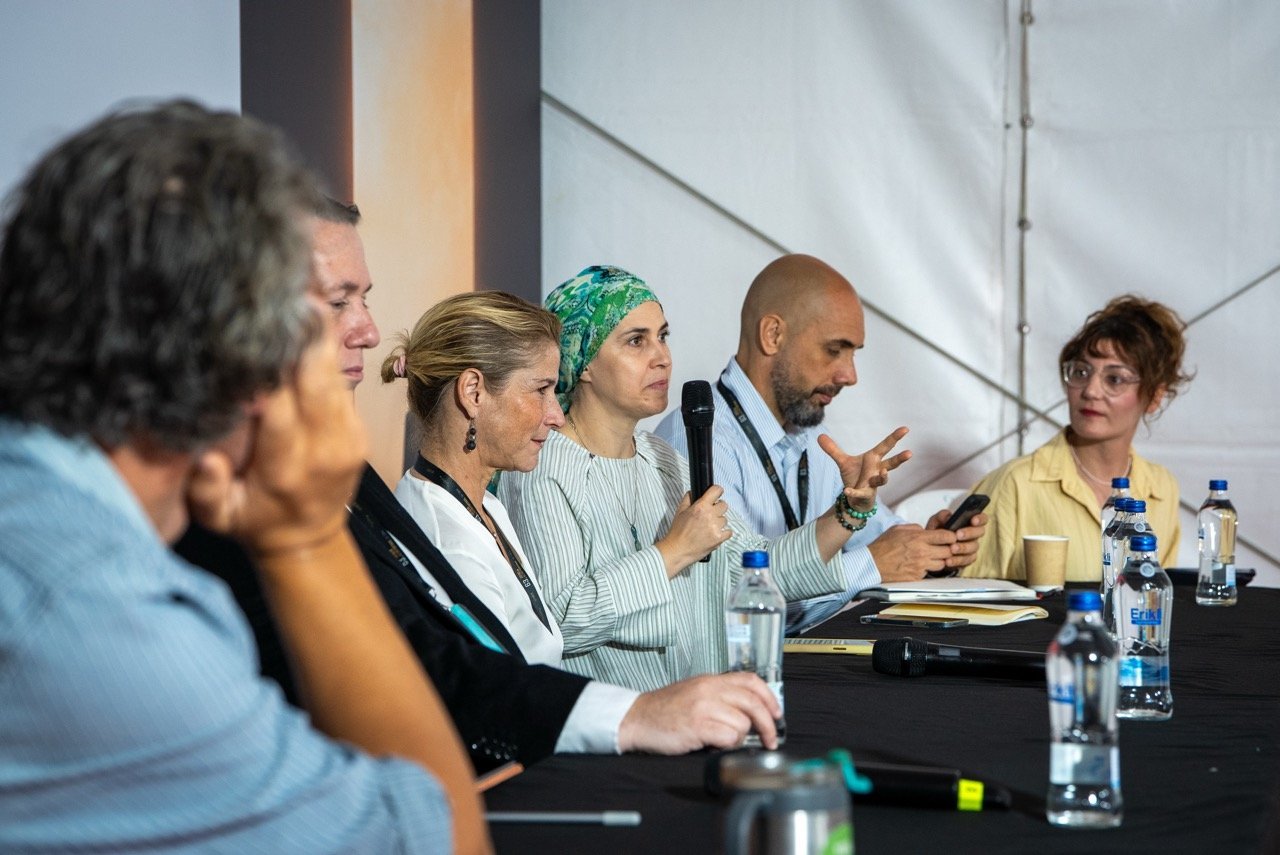
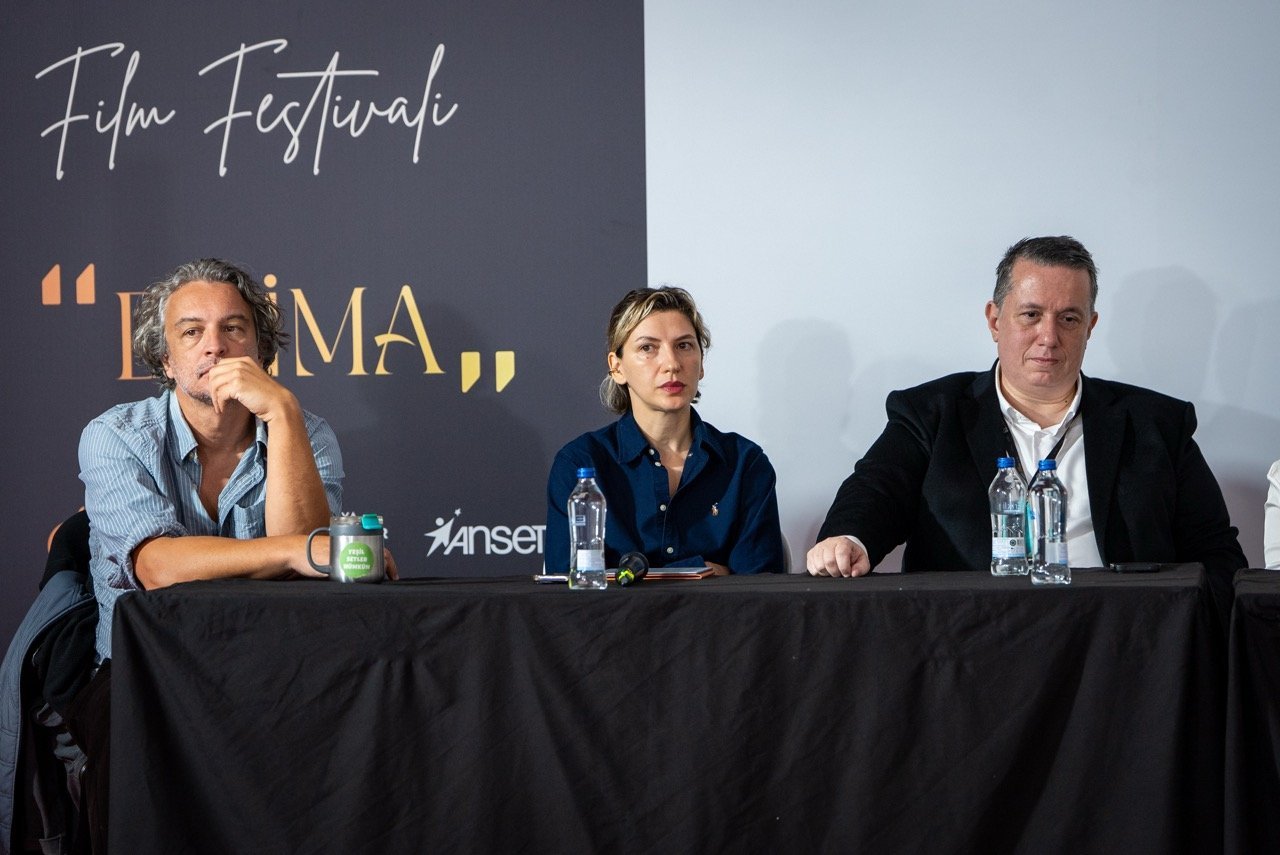
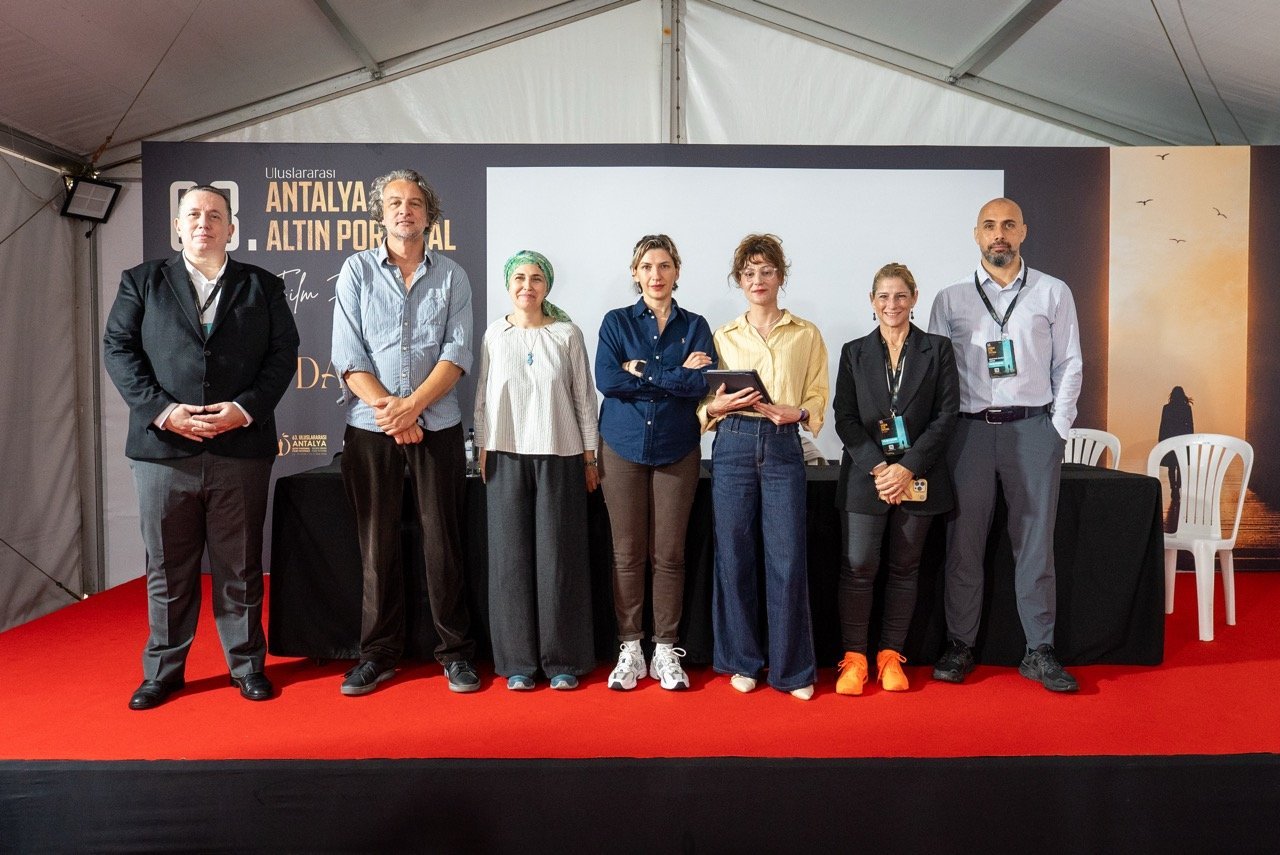
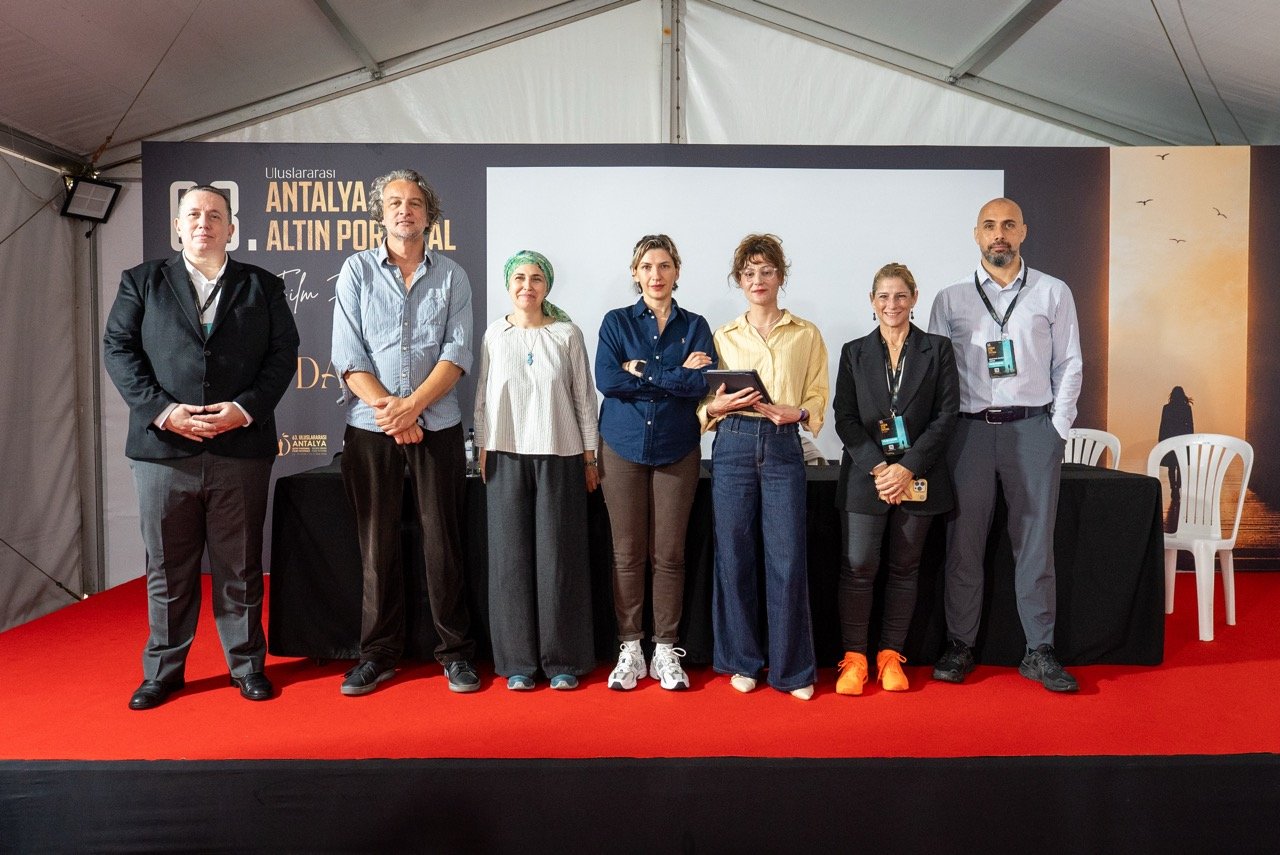
Titled “The Future of Cinema: Climate-Focused Transformation in the Film Industry,” the panel was moderated by Yeşim Girgin, General Coordinator of Yeşil Setler Mümkün (YSM). Speakers included Ersin Gök, YSM Project Leader and cinematographer; Ekin İlyasoğlu, YSM Project Manager; screenwriter Selcan Özgür; Alphan Eröztürk, Senior Manager of Public Affairs, External Relations and Projects at the Environmental Protection and Packaging Waste Recovery Foundation (ÇEVKO); Mustafa Özgür Berke, Türkiye Director of the European Climate Foundation (ECF); and Dicle Tuba Kılıç, Chair of the Board of the Nature Association.
Yeşim Girgin explained that the initiative, which has been running for approximately three years, was born out of a desire to drive change from within the film industry. Noting that regulations developed outside the sector often fail to reflect industry realities and therefore prove ineffective, Girgin said: “We believe that an issue as important as the climate crisis, which will, in a sense, shape the future of cinema, cannot be put into practice unless it is embraced by those working within the industry.”
Emphasising the importance of a shift in mindset in addressing the climate crisis, Dicle Tuba Kılıç said: “It matters where we position ourselves in relation to nature. We can recognise a bee as a rights-bearing subject, and nature itself should have constitutional rights. Anatolia, for example, is incredibly rich in biodiversity. A tiny pool of water on the shore of a lake may be home to a two-centimetre-long fish found nowhere else in the world. Building a dam there could drive that fish to extinction.”
Mustafa Özgür Berke, Türkiye Director of the ECF, praised YSM for undertaking work that is not yet widespread in Türkiye, stating:
“Rather than offering didactic narratives about the effects of climate change and how we can change the world by taking certain actions, they are doing something extremely important in terms of fostering social acceptance of the cultural sector as a whole. In Türkiye, for instance, 90 per cent of people acknowledge that climate change is caused by human activity. This indicates that public understanding is broadly aligned with science. However, questions remain about responsibility and what needs to be done. We know that the conventional model—in which scientists conduct research, civil society organisations then assume certain responsibilities and raise awareness, and this ultimately leads to changes in human behaviour—does not work as expected. This is why collaboration with you is so important to accelerating these efforts and increasing their impact.”
Alphan Eröztürk, Senior Manager of Public Affairs, External Relations and Projects at ÇEVKO, suggested that the film industry approach the challenge of making production sets more environmentally friendly by asking a simple question: “What remains after the film?” He explained:
“What remains after this film? In other words, what have we left behind? Which natural resources did we use while making it? Which places did we affect, and what damage did we cause? The more we can complete this process while minimising such impacts, the more successful we will be from an environmental perspective.”
The advertising industry was also among the topics discussed during the panel. Ekin İlyasoğlu, YSM Project Manager, shared data on the sector’s environmental impact:
“When we consider the advertising, marketing and communications sectors together, these industries accounted for 3 per cent of global carbon emissions in mid-2025. To put this figure into perspective, the annual carbon emissions of the 27 European Union member states are 5.8 times this amount. In other words, the advertising, marketing and communications industry generates carbon emissions equivalent to approximately half of those produced by all 27 countries combined. This means we need to hold ourselves accountable and take action.
“Carbon emissions are generated throughout the entire process, from the production of an advertiser’s product to the moment it reaches the consumer. They arise from many sources, including the food consumed during team meetings, travel, the use of artificial intelligence, activities on production sets and the publication of advertisements in the media.
“The advertising industry has begun taking steps to address this issue. The Interactive Advertising Bureau has published guidelines and introduced measures to make the carbon emissions associated with advertising, particularly digital advertising, measurable and reducible.
“Subsequently, the Advertising, Marketing and Communications Association took up the issue, while Ad Net Zero established itself as a major global initiative dedicated to reducing the advertising industry’s carbon footprint. This year, MMA (Marketing + Media Alliance) included the Ad Net Zero Awards in its awards programme for the first time.”