The industry’s most fundamental and current debates were brought to the table at the Golden Orange. Today, two separate industry talks were held on cinematography and screenwriting.
The 63rd International Antalya Golden Orange Film Festival is brimming with events offering the latest insights into the industry, alongside its film screenings.
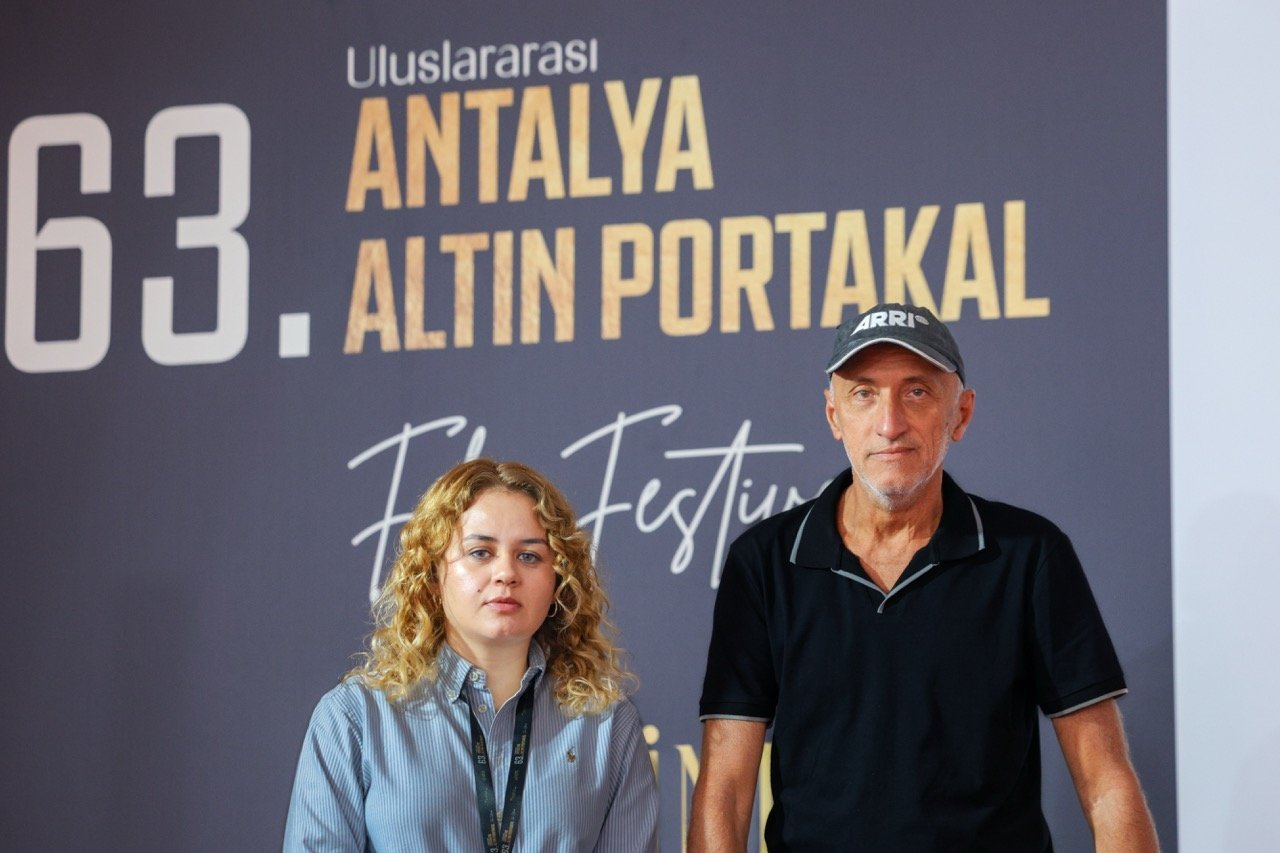
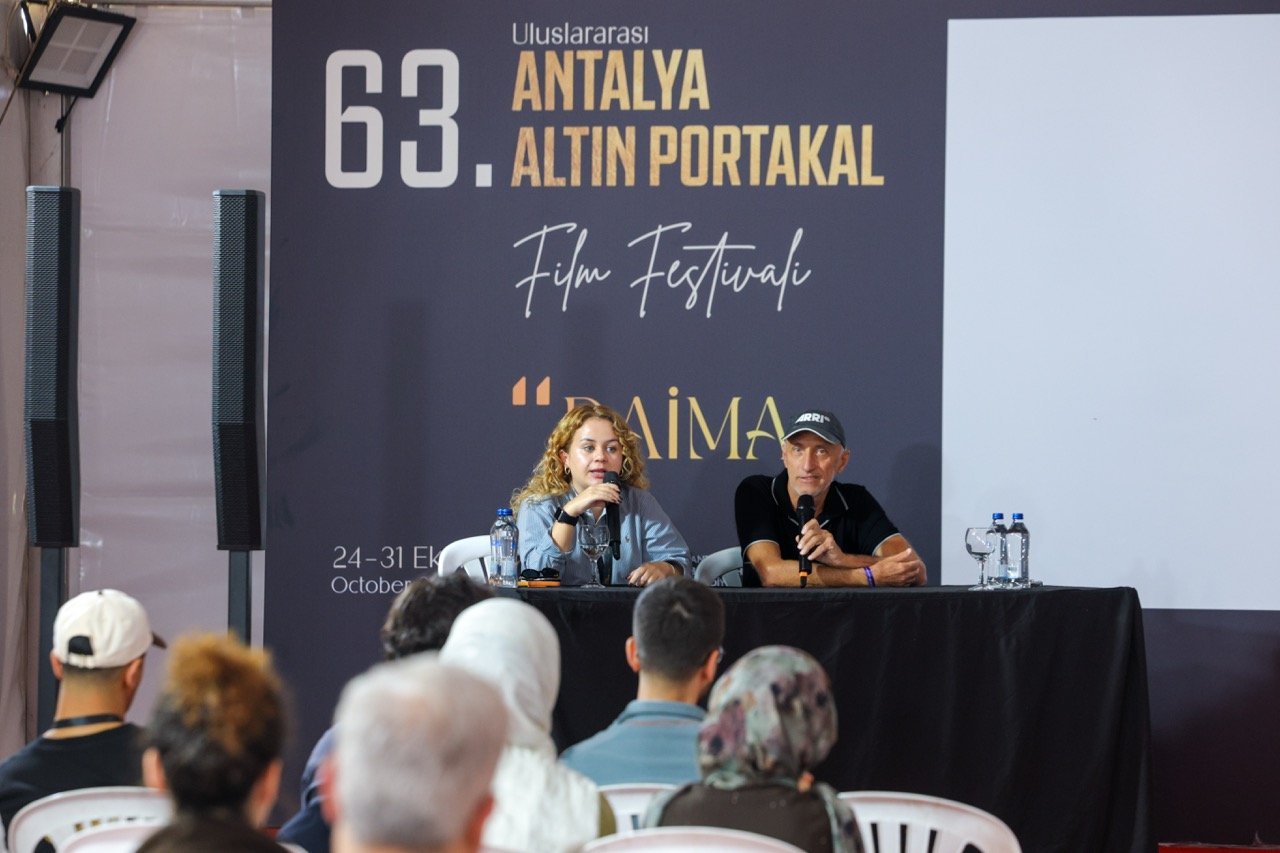
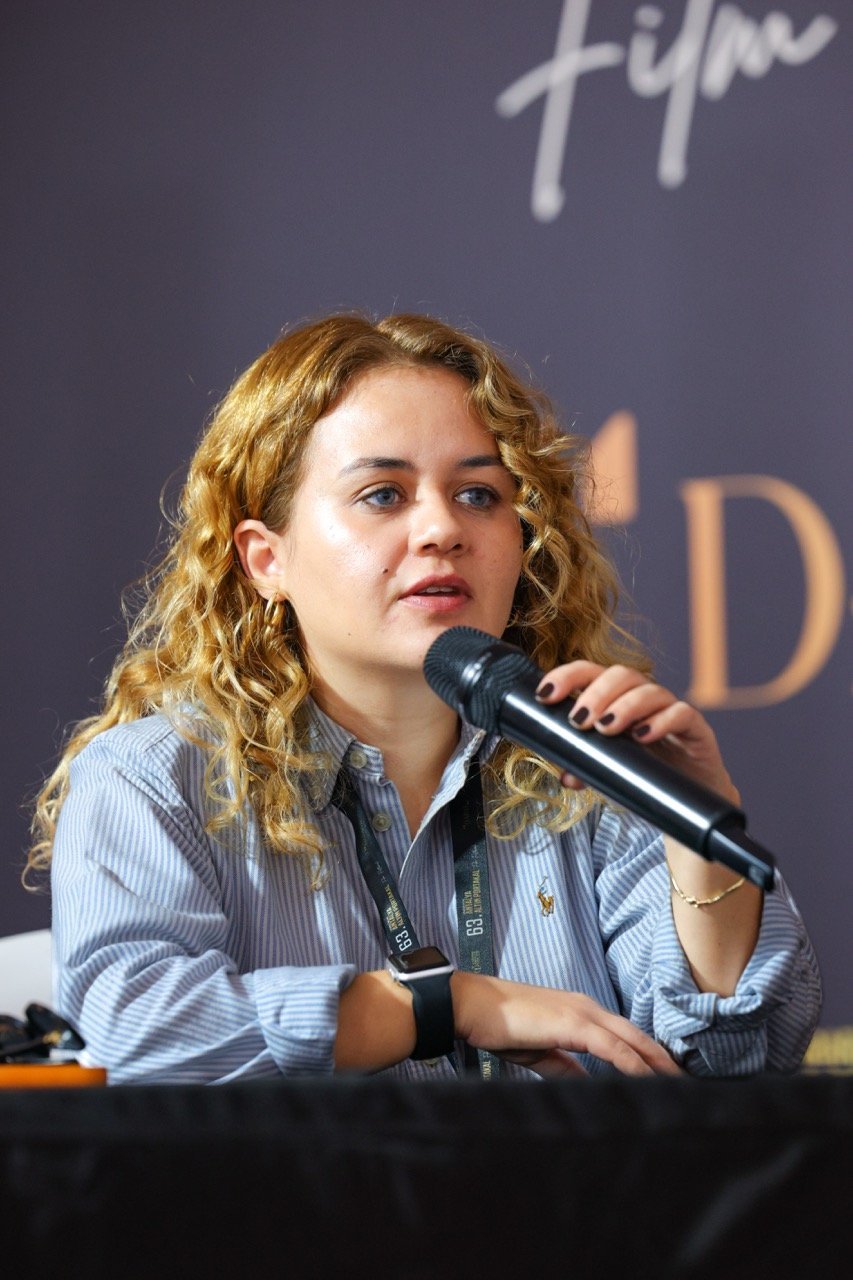
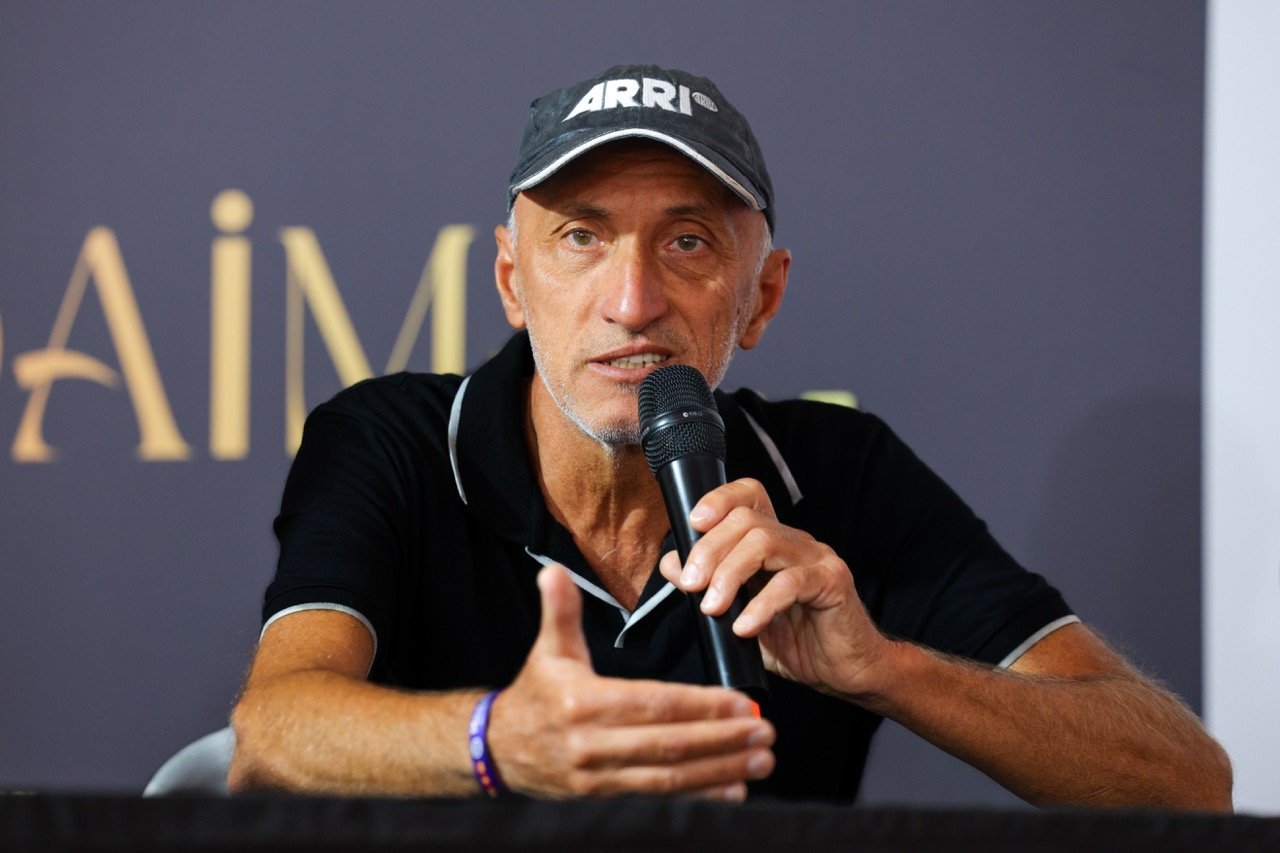
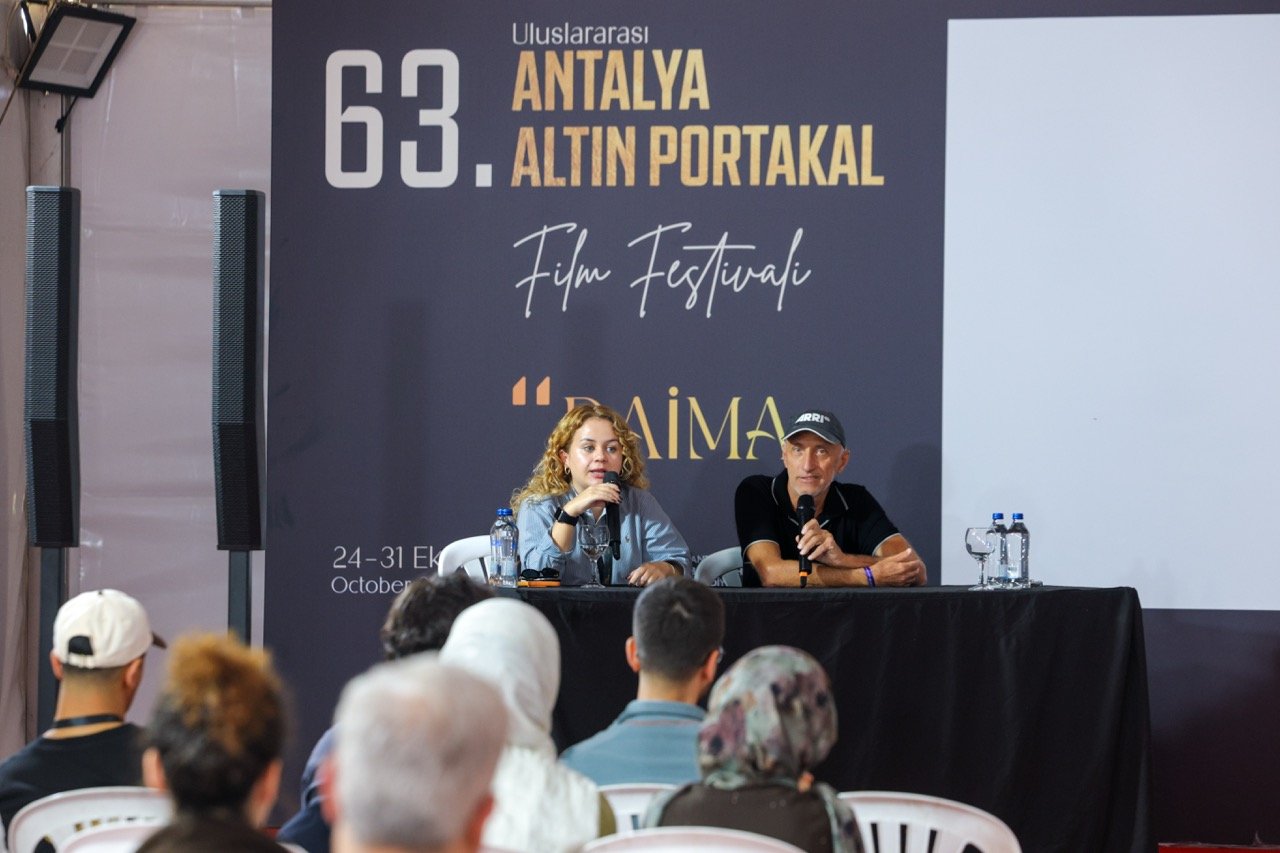
At the workshop titled “The Director–Cinematographer Relationship and New Technologies in Cinema,” held today as part of the festival, cinematographer Uğur İçbak and director Gizem İbak took part. They explained the collaboration between director and cinematographer through examples from the short film “Eudaimonia,” which they shot together.
Uğur İçbak said, “What I care about is preparation and meticulousness throughout the development of the project,” while Gizem İbak remarked, “I realized this: I’m going to work with a cinematographer, but I need to be able to convey my vision to them as closely as possible to how it appears in my mind. I can see the scene, but they don’t know it yet.”
İçbak noted that İbak had envisioned a scene in which the shot continues uninterrupted, the lead actor keeps performing, and as the road moves in the background, the other actors change during flashbacks. He said that, in bringing it to life, they focused not on showing off but on capturing the image the director had imagined. İbak added, “There is no end to dreaming, but once you begin, fears and self-censorship start to come into play. If I had known it would be this difficult to shoot, perhaps everything would have been less ambitious—or perhaps there would have been nothing at all.”
Reminding the audience that they used a great deal of high-tech equipment for the shoot, İçbak said the director had managed to obtain it from abroad ‘free of charge’ and added, “Don’t be afraid of having no money.”
İbak described the process as follows:
“Perhaps two or three million [Turkish lira] were needed to bring that scene to life. At the time, the daily cost of working in a studio was 400,000 lira. Neither I nor anyone else could afford that. Bringing in motion control cost who-knows-how-many thousand lira; working with someone cost who-knows-how-many thousand. The most important thing is this: You have to knock on people’s doors one by one and explain yourself. When I first went to the studio, they would say, ‘Well, she’s going to do something, but let’s wait and see…’ The second time I went, I had done the preparatory work and drawn a storyboard. AI wasn’t this active in our lives yet; I was doing everything manually. On my third visit, I managed to have a proper meeting. By the fourth, even the fifth, it had become: ‘Wait a minute; if something is shot here, we could also add it to our portfolio.’”
İbak said that a culture of solidarity still prevails in Türkiye despite everything: “When I called Uğur ağabey, I was hesitant, and at the end of every sentence I’d say, ‘Okay, you may not accept, but…’ He said, ‘Why are you hesitating? Tell us about yourself, so we can understand.’”
İçbak continued the story:
“I said, ‘Get to the point: What are you going to shoot, where, and when?’ All right. But I said, let’s not talk about money; I have never asked to be paid for my work on short films. I’d be embarrassed to do such a thing. If you have money, spend it on the crew. Mehmet (Aslantuğ) ağabey is the same, isn’t he? But Gizem had done her homework seriously.”
İbak concluded by advising film students not to give up, drawing on her own experiences:
“Don’t censor yourself by saying, ‘It won’t work anyway.’ I thought I had swum all the way to the finish line: Bin Volt, post-production companies, meetings… They said, ‘Gizem, you can’t shoot it; this has nothing to do with us. We’re providing you with every opportunity, but there is no 360-degree road footage shot in Türkiye with at least seven cameras.’ But it exists in the world! And it costs a thousand dollars per minute.”
“I got started. I’ll never forget—it was 7 p.m.—and I was emailing the company. I emailed all its branches in Los Angeles, Japan, and London: ‘Could you please give me the footage?’ They replied, ‘Gizem, we’ve received all your emails, but it’s only 7 a.m. here. Let’s start the day and we’ll decide.’ Then they said, ‘We’ll send you the footage, but we won’t grant you the commission rights.’ That was fine by me; I wasn’t going to make money from it anyway. After watching the film, they also said, ‘We mostly work with Netflix, and we’re very pleased to have provided this support.’”
“This project could have been abandoned 15 times, but it was completed. You’re students; we watch your films. I know—I’ve been through those same paths.”
“The Issue Is Not Creating With Artificial Intelligence, But Remaining Human Despite Artificial Intelligence”
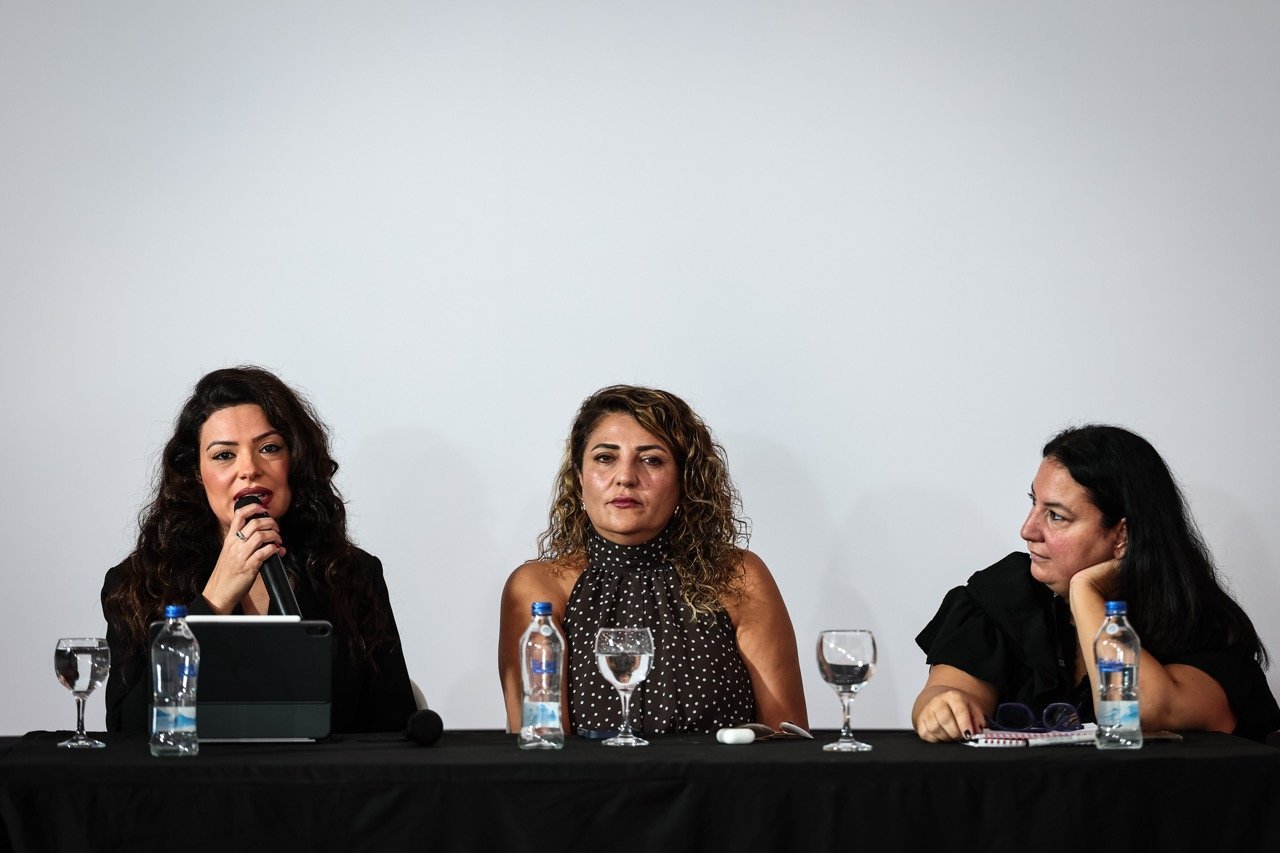
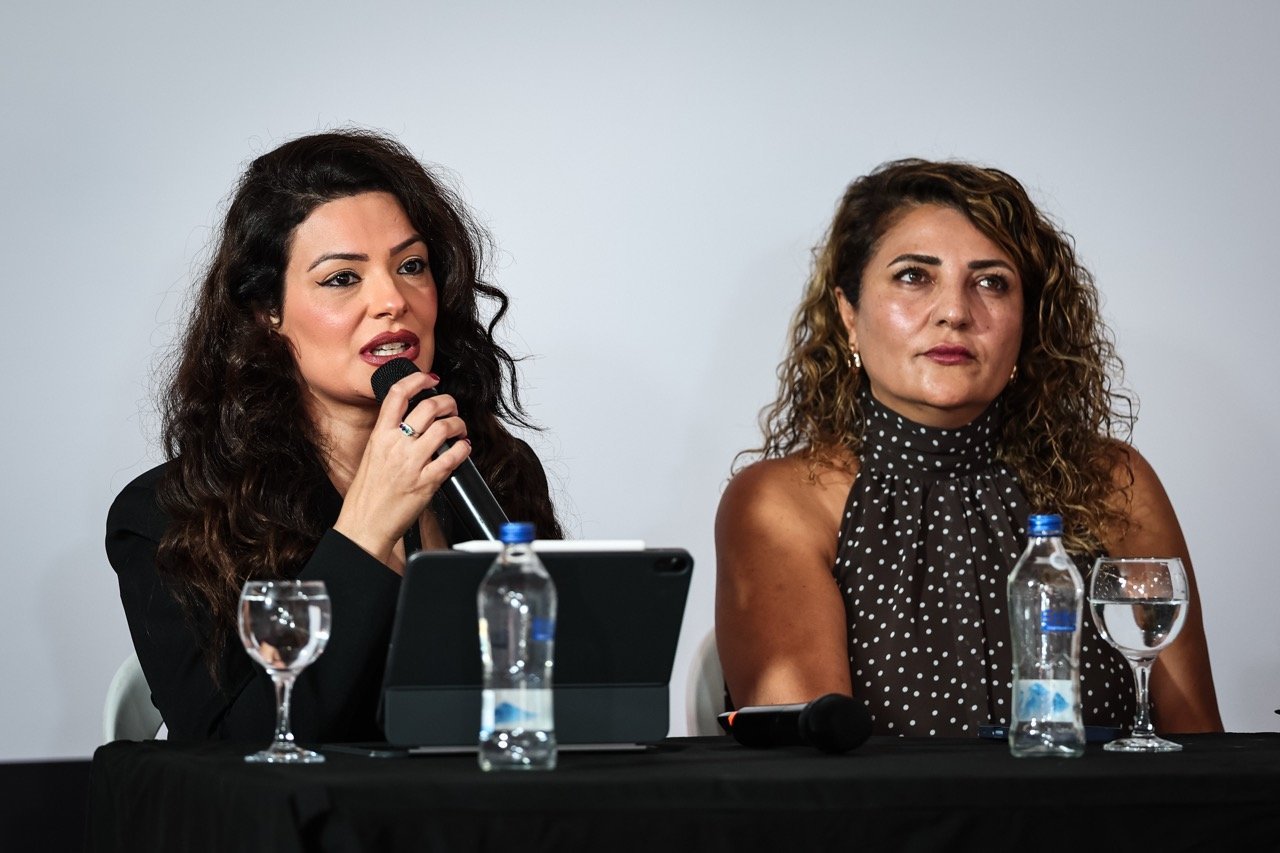
Dr. Ebru Yarkın and screenwriter Eylem Canpolat, meanwhile, discussed new approaches to screenwriting at a panel titled “The Script of the Future,” held at the festival today.
The first subject Ebru Yarkın addressed was artificial intelligence, which has become the central topic of almost every conversation. Yarkın assessed AI’s place in screenwriting as follows:
“When discussing the script of the future, we actually need to talk not only about technology, but also about remaining human, human labor, and ethics. Today, the issue is not simply creating with AI, but remaining human despite AI. The real question is not so much what AI can produce, but what kind of future we want to create.”
Screenwriter Eylem Canpolat also spoke about her experience with artificial intelligence:
“Screenwriting is among the top three professions on lists asking, ‘Will AI take our jobs?’ I began investigating whether it really would take our profession, and the more I learned, the more I found myself in deeply philosophical debates. I thought about it a lot; since human beings are already complex, this has made the question—and what creativity is—even more complicated. What is creativity? It is producing something new, original, and meaningful. Can AI produce something new, original, and meaningful? If it can, could it take our profession away? That is what our colleagues are debating right now. Let me put it this way: It can—if you allow it!”
“I’m a little more on the commercial side of the business; I write TV series. In my sector, AI could be a blessing: we write 120 pages every week, for 30–35 weeks. So, can it make our work easier? Yes. But when it starts deciding on the subjects, themes, or the issue we want to convey, does it become our creative partner, our head writer, or merely our assistant? I think the answers depend on the screenwriter using AI.”
“In short, we have a new rival! Will we be able to produce things more meaningful than AI? Can AI create art? This has been discussed around the world for years; screenwriters in the US even went on strike over it, and definitive clauses have now been included in their contracts. They said that if a producer gives them material generated by AI, the producer must disclose it. Producers, in turn, said that if a screenwriter writes a script using AI, they must disclose that as well.”
Canpolat also addressed the issue of artificial intelligence drawing on human-created works.
“In the US, screenwriters have started demanding royalties from AI companies. They say, ‘You teach your AI to write screenplays using my scripts, so you need to pay me royalties for that.’ But I also learned something troubling: they reportedly hire experienced screenwriters who can no longer find work in the industry and have them develop AI agents so that the agents can write good scripts.”
Ebru Yarkın, who said, “Someone will take our jobs, but it won’t be AI—it will be the people who control AI,” compared the current situation to the period before computers:
“We have returned to a time when we only read books. If we can recognize this detail, we can manage AI, question it, and guide it by using critical thinking to choose among possibilities. In this way, we will never actually lose our jobs.”