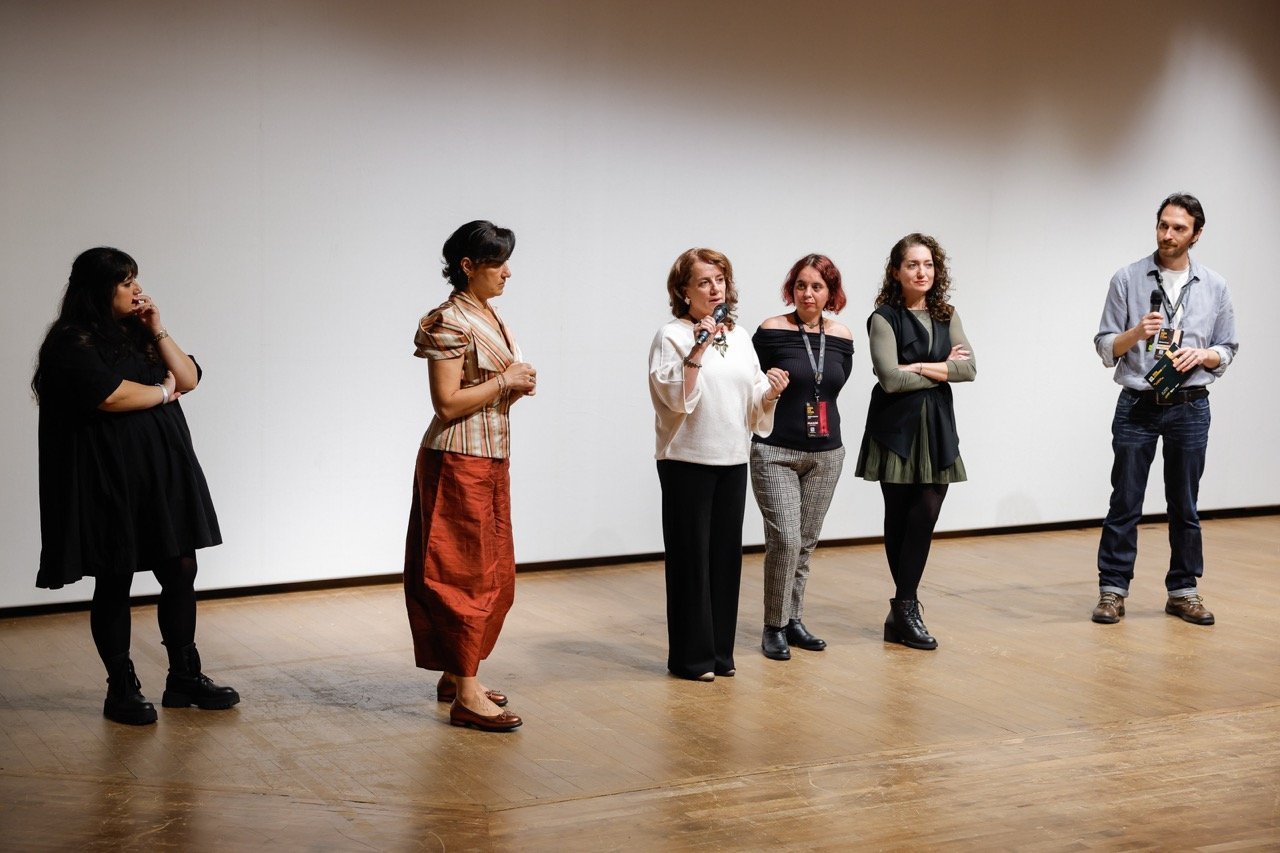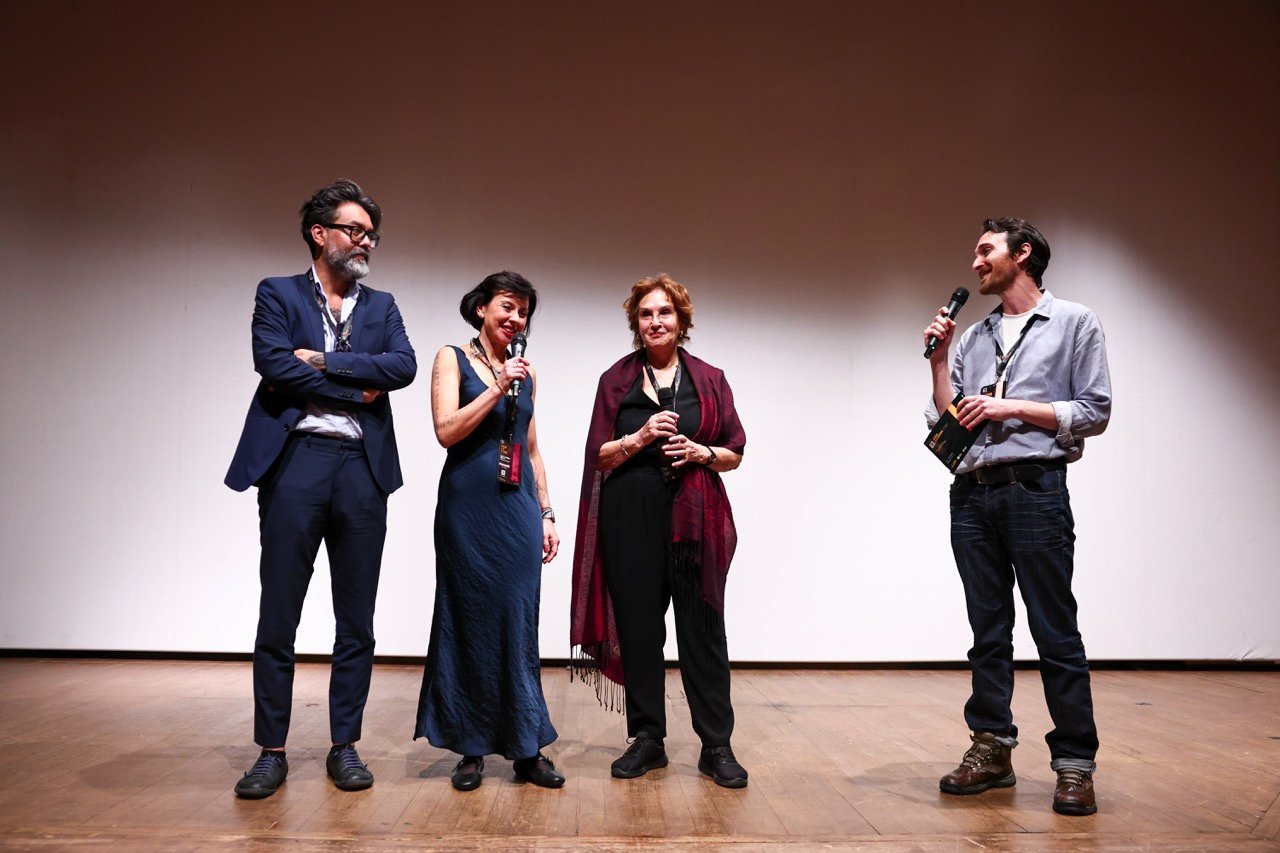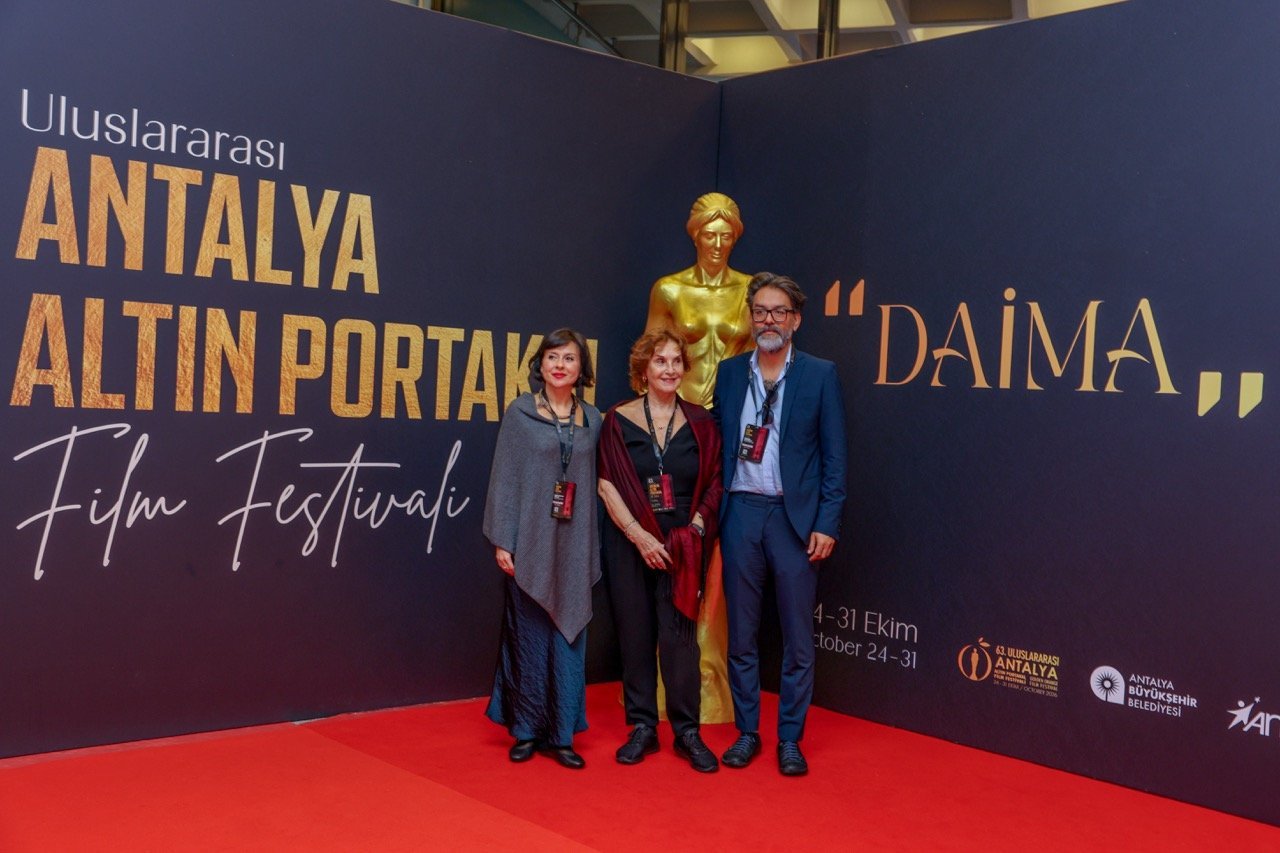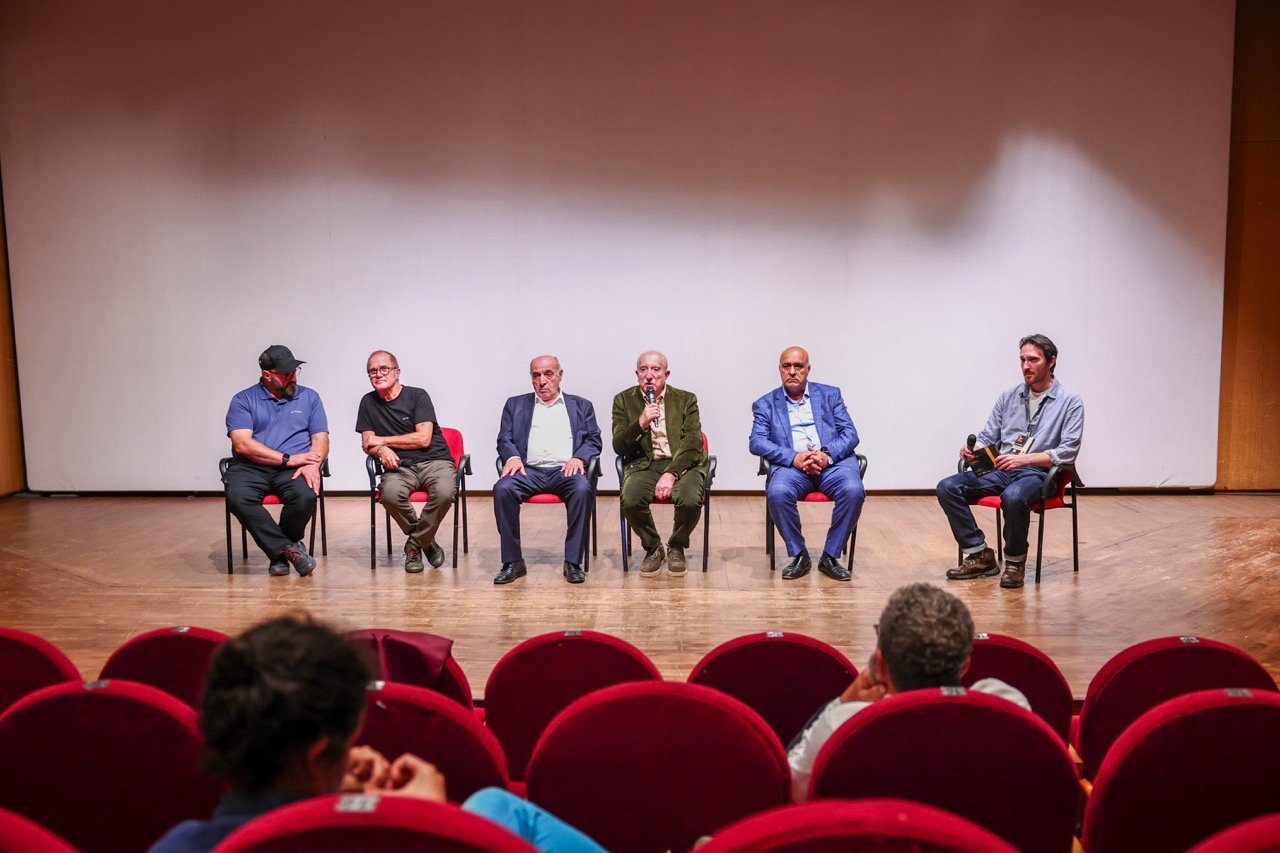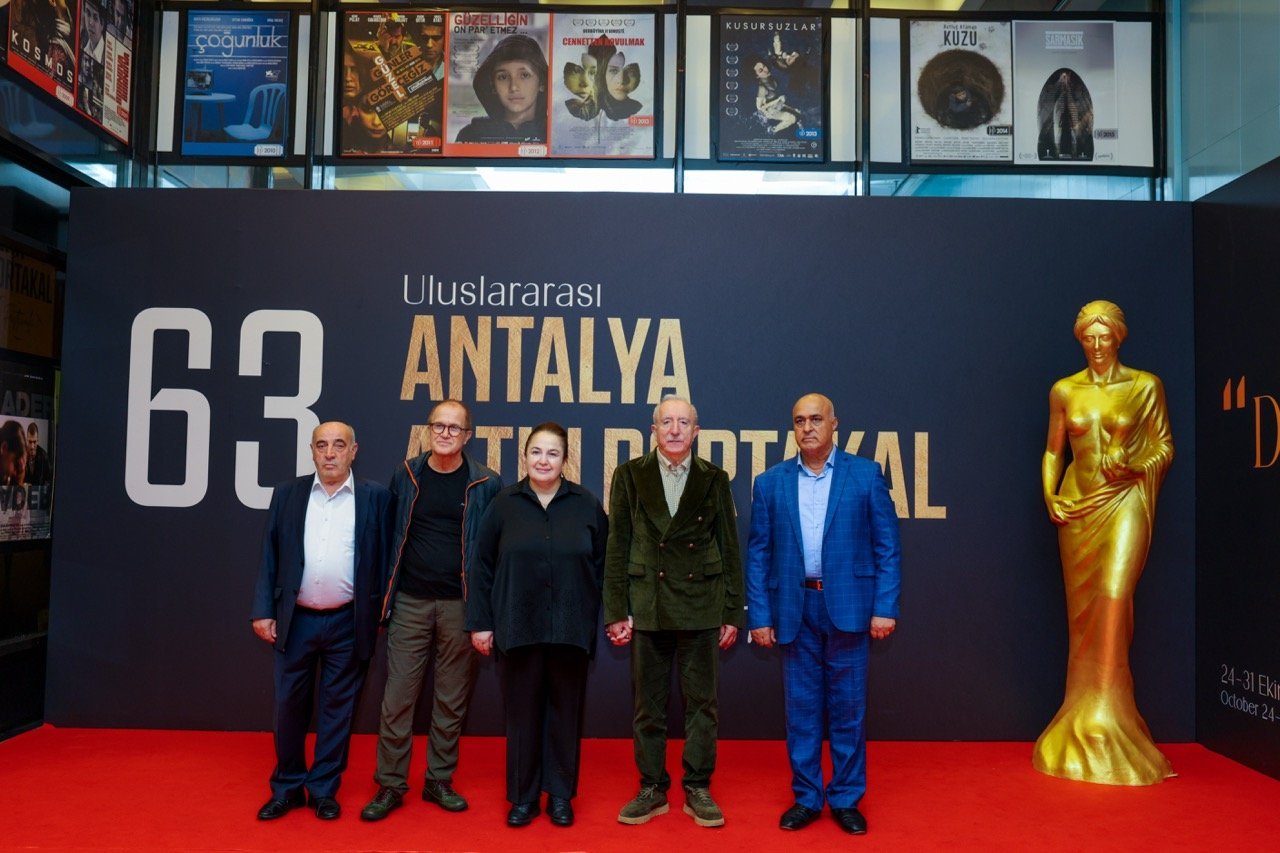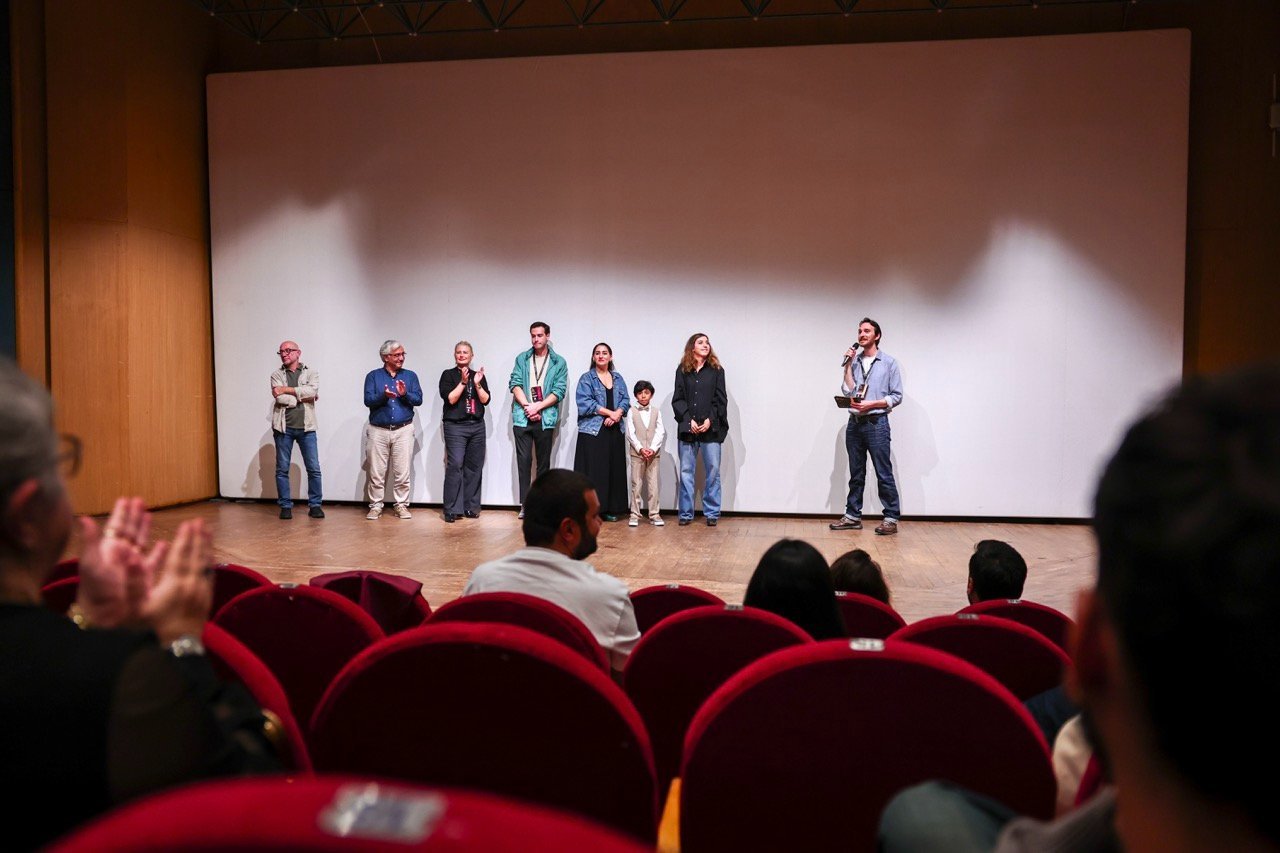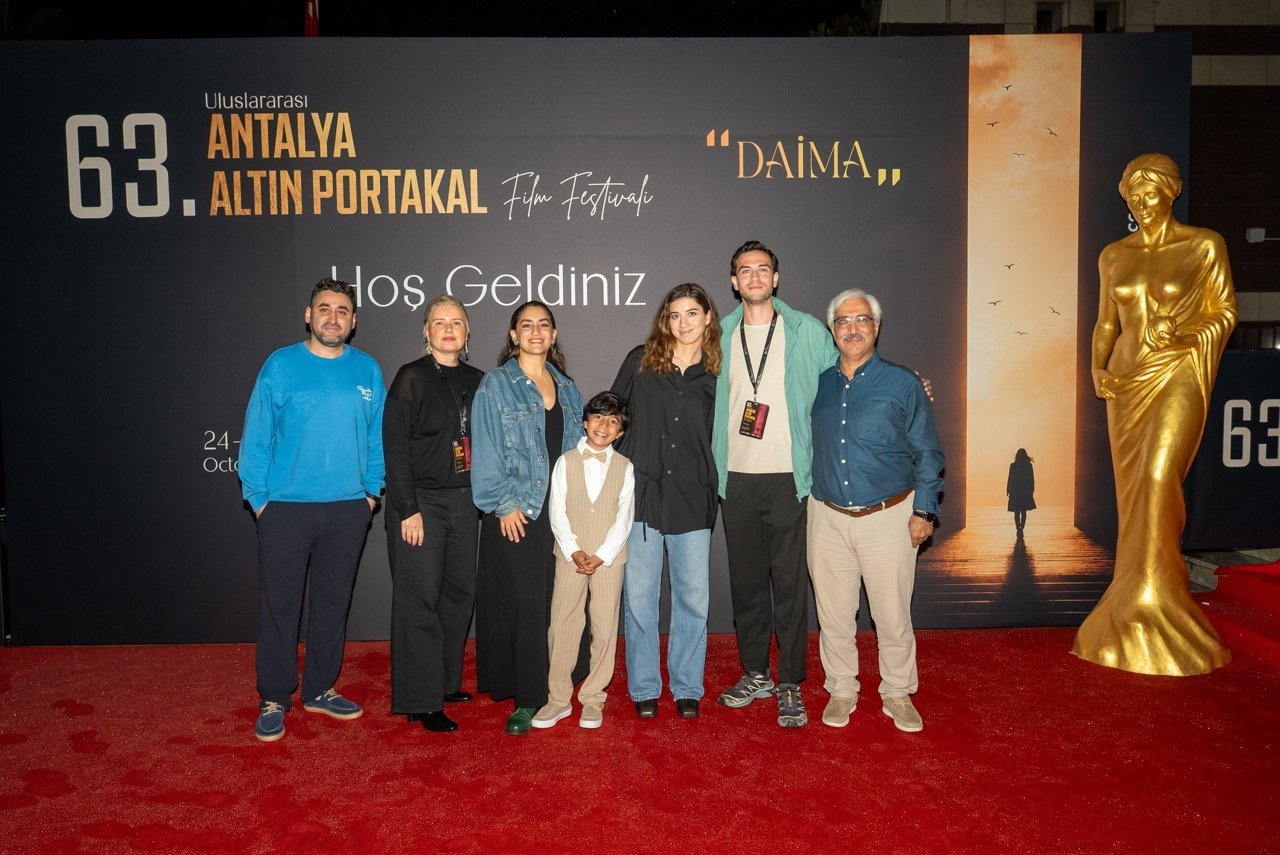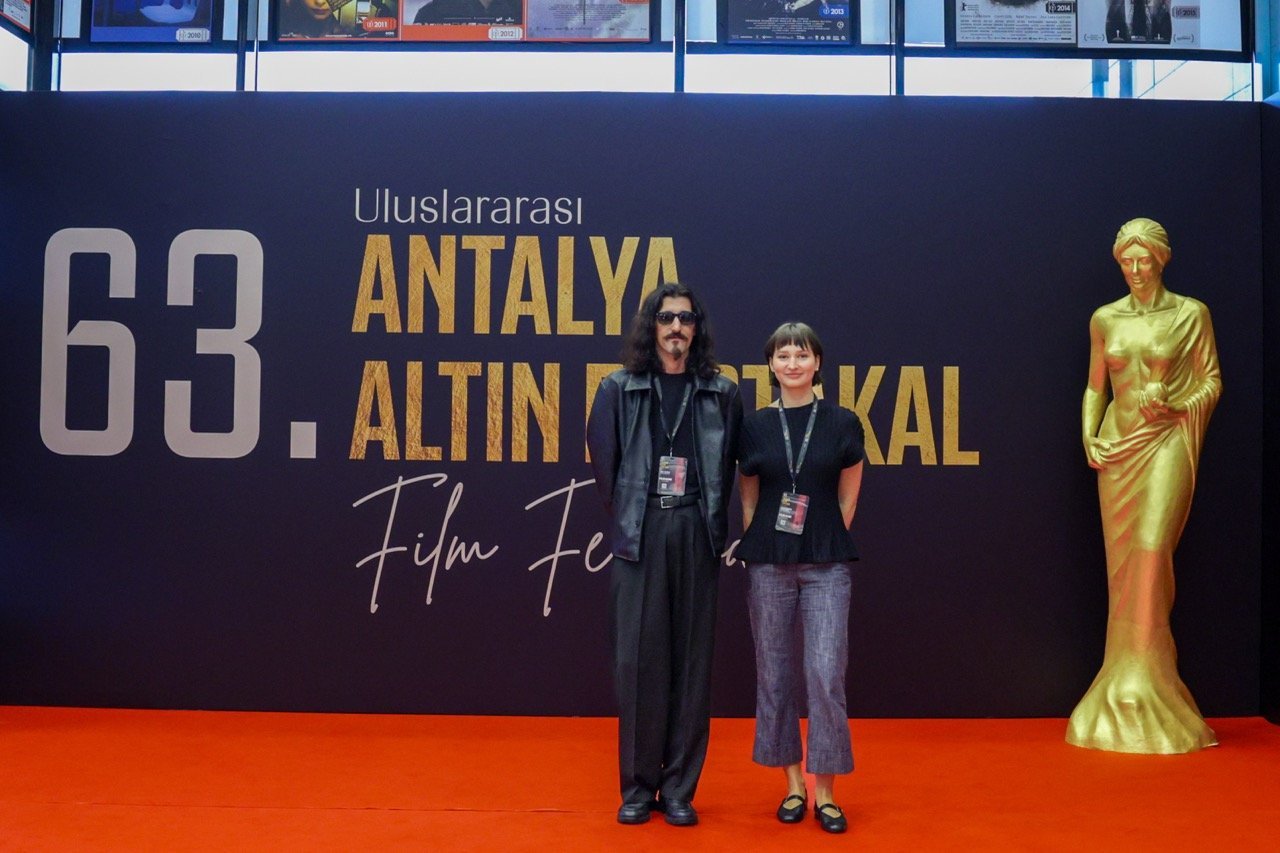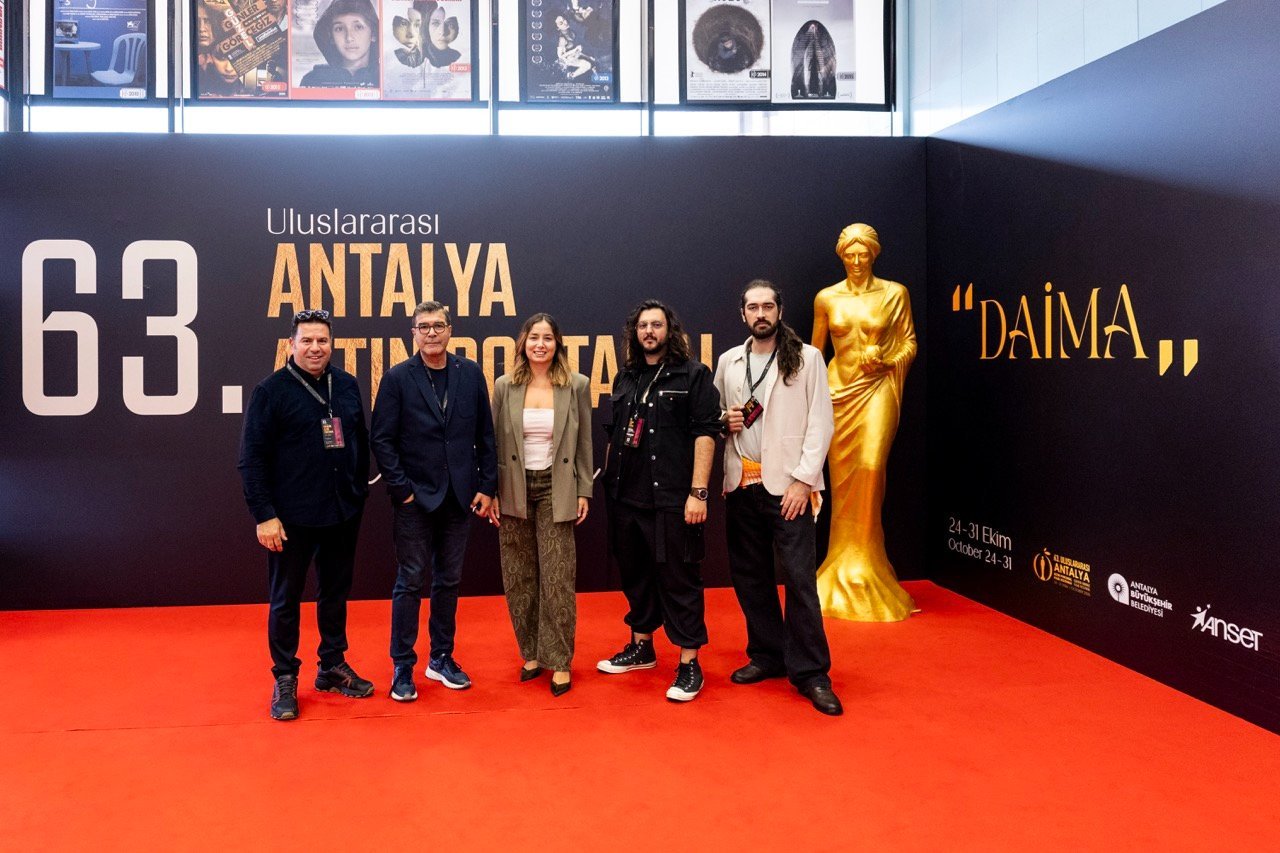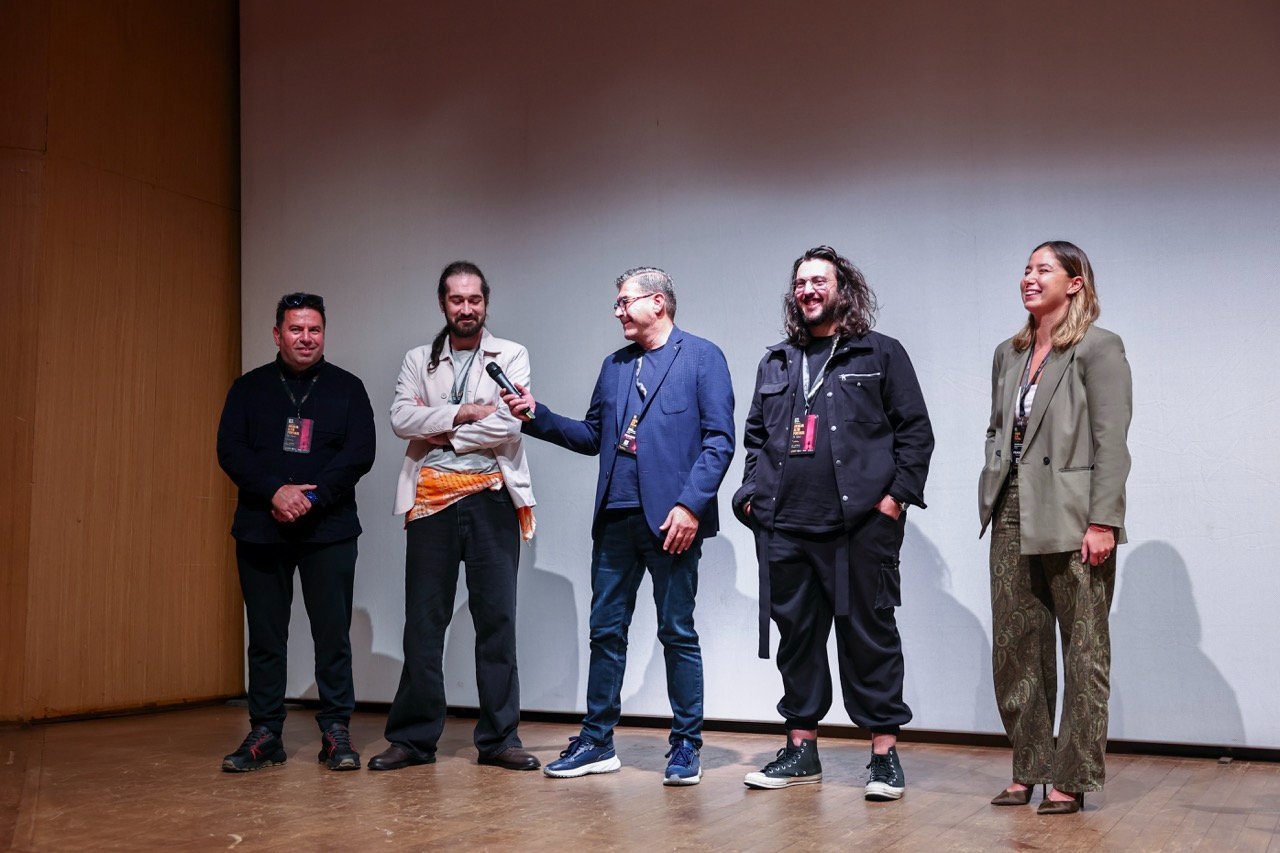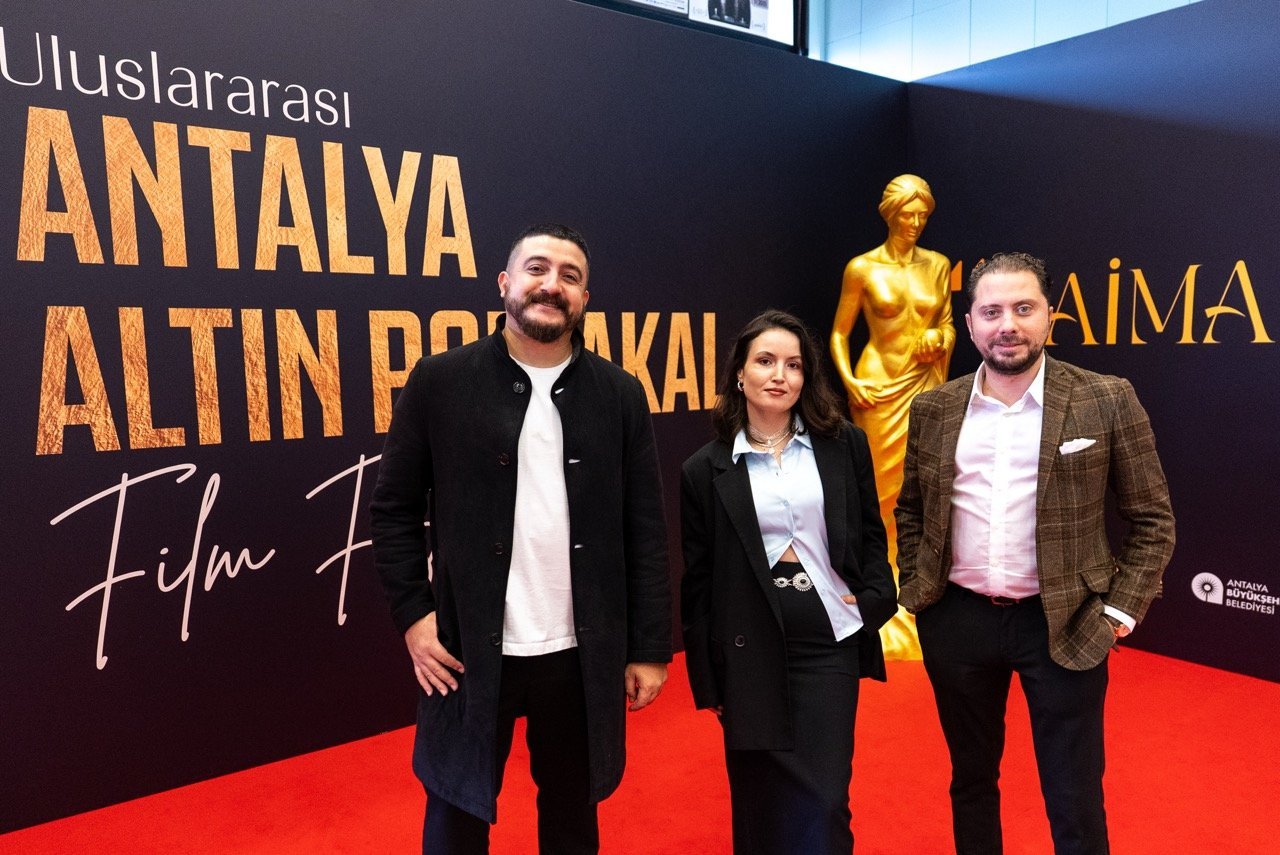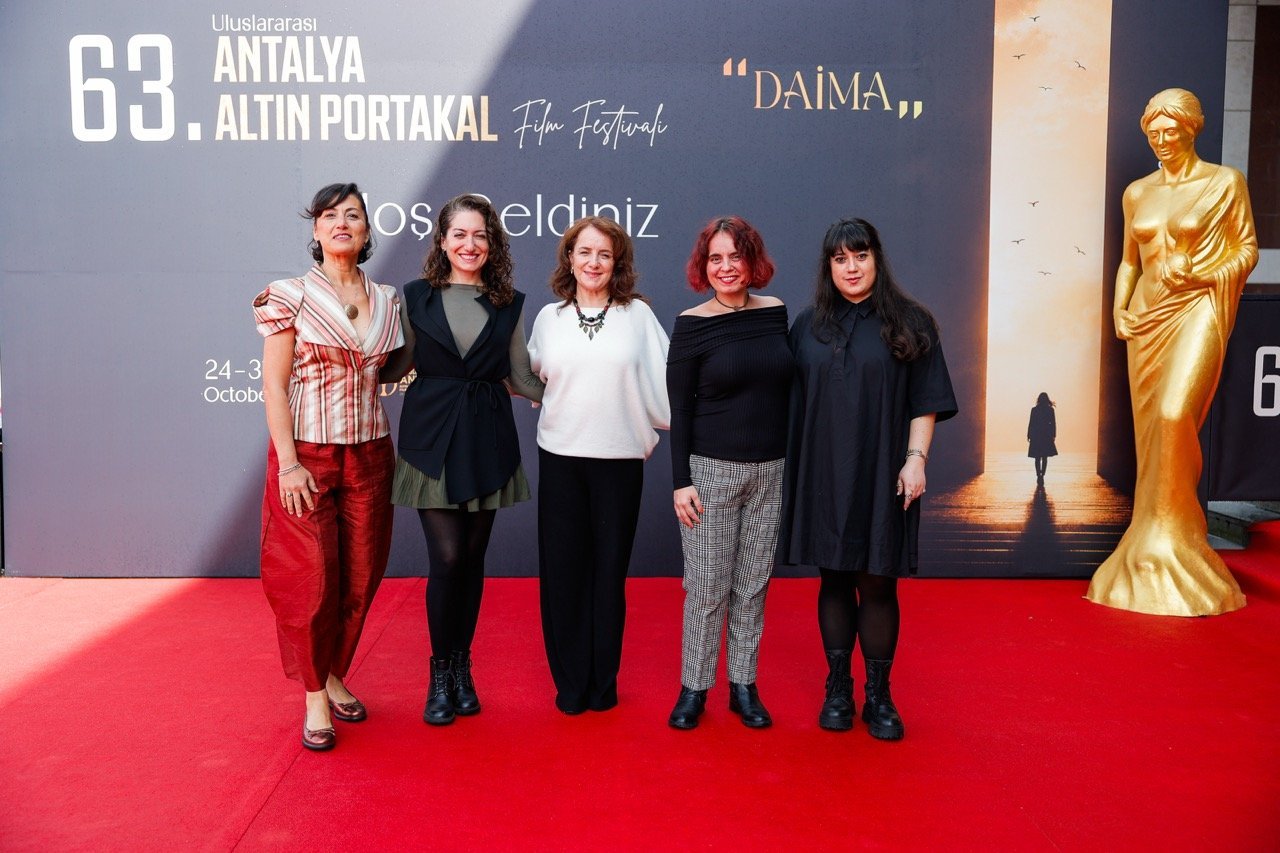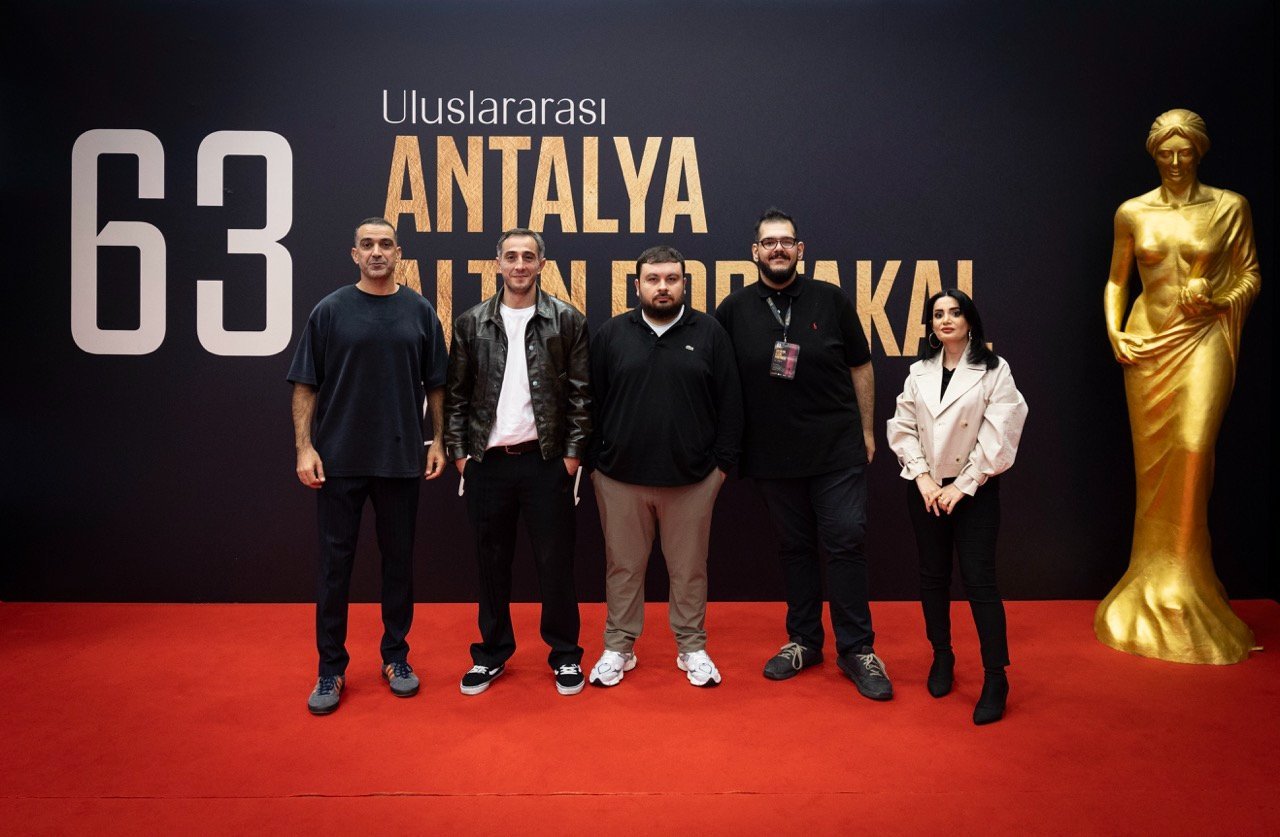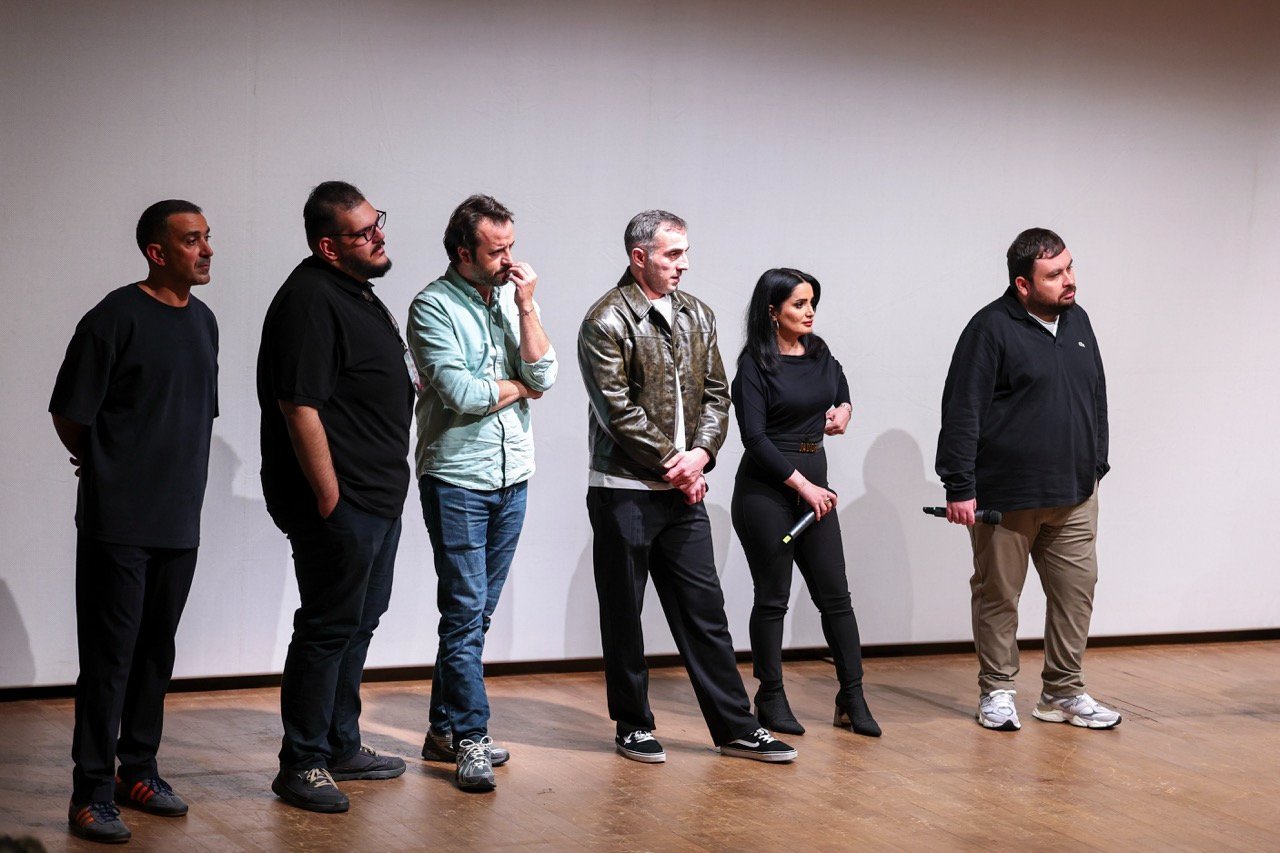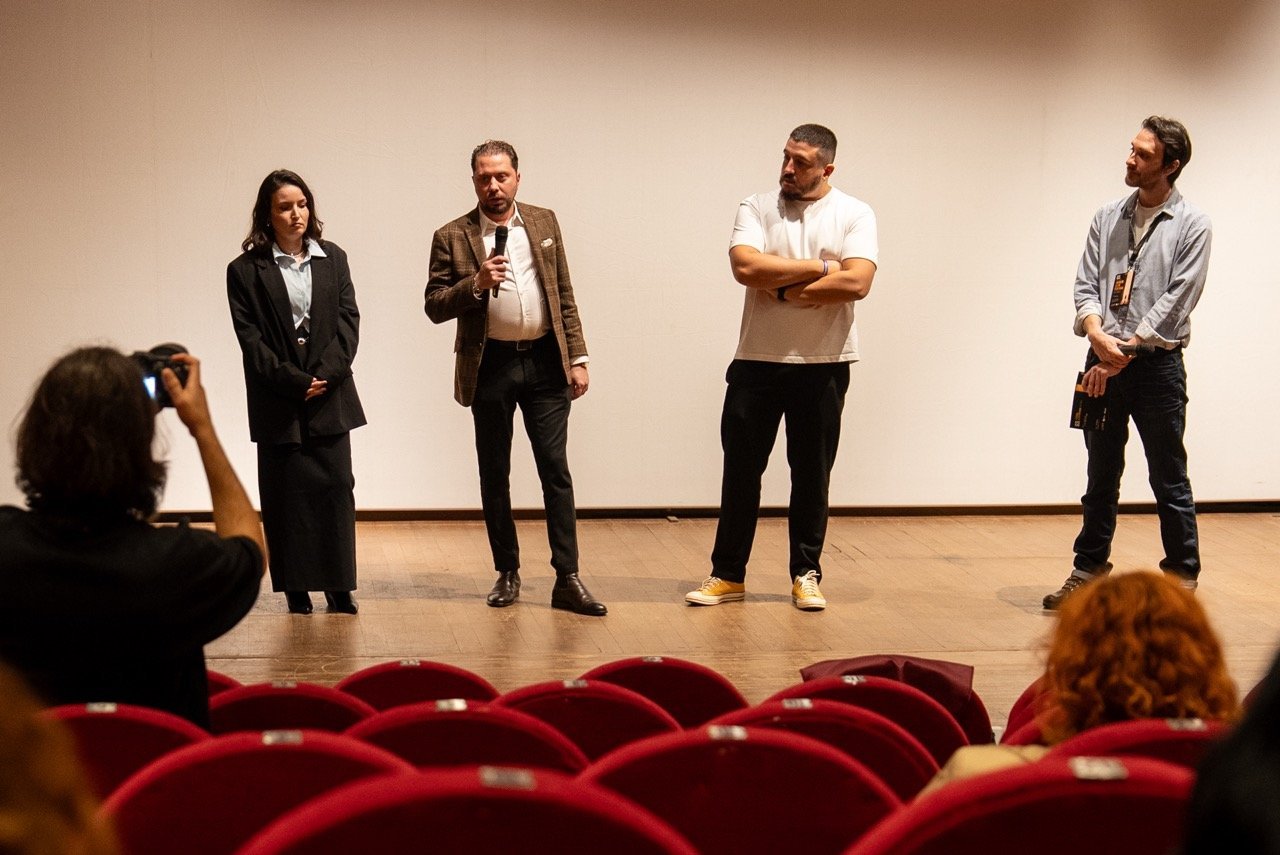
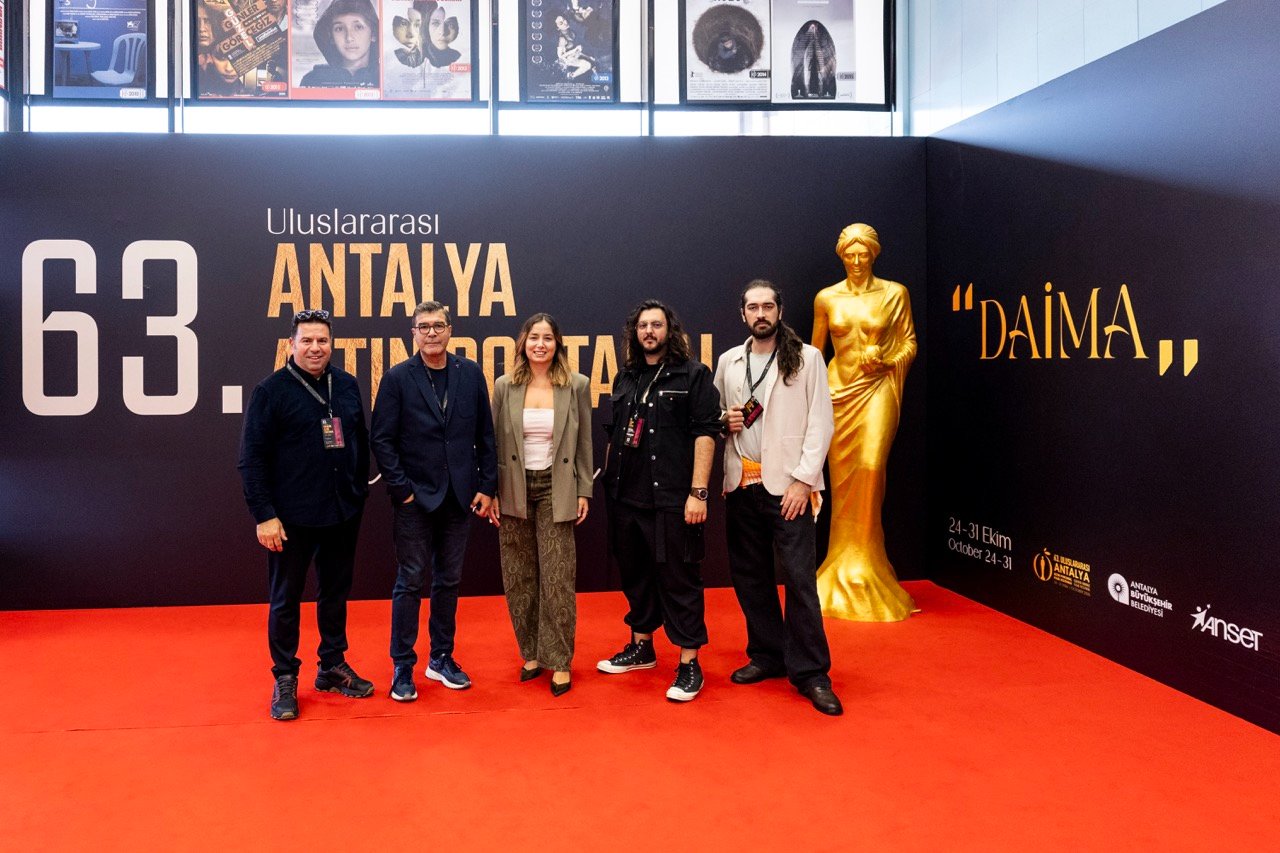
Today at the Golden Orange, the spotlight was on short films and documentaries. Every state of the world and every dream of the human spirit appeared on screen, with filmmakers joining audiences for the screenings.
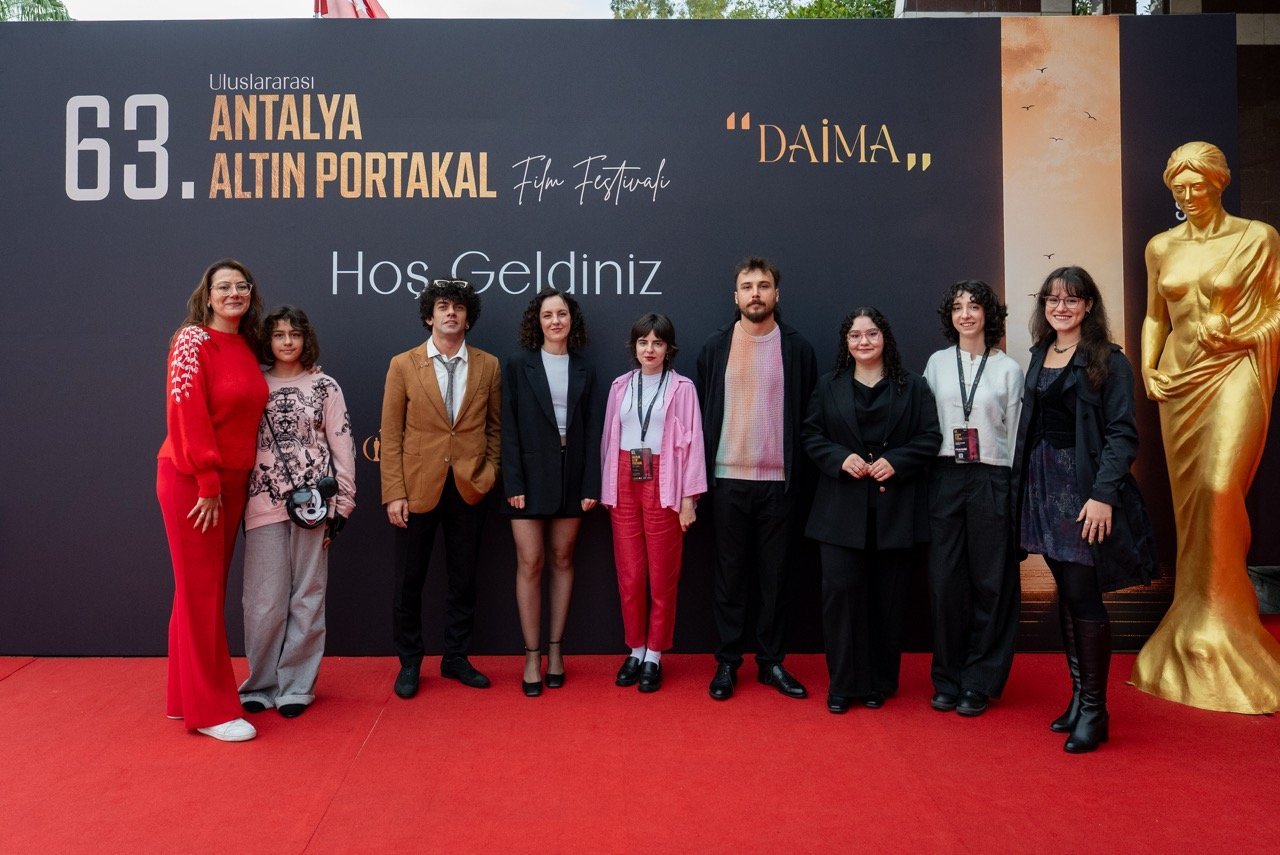
The 63rd International Antalya Golden Orange Film Festival was filled with short films and documentaries today. The compelling stories featured in the National Short Film Competition, National Short Film Special Screenings, National Documentary Competition and National Documentary Special Screenings reached audiences on screen. Following the screenings, viewers also had the opportunity to ask the film crews questions.
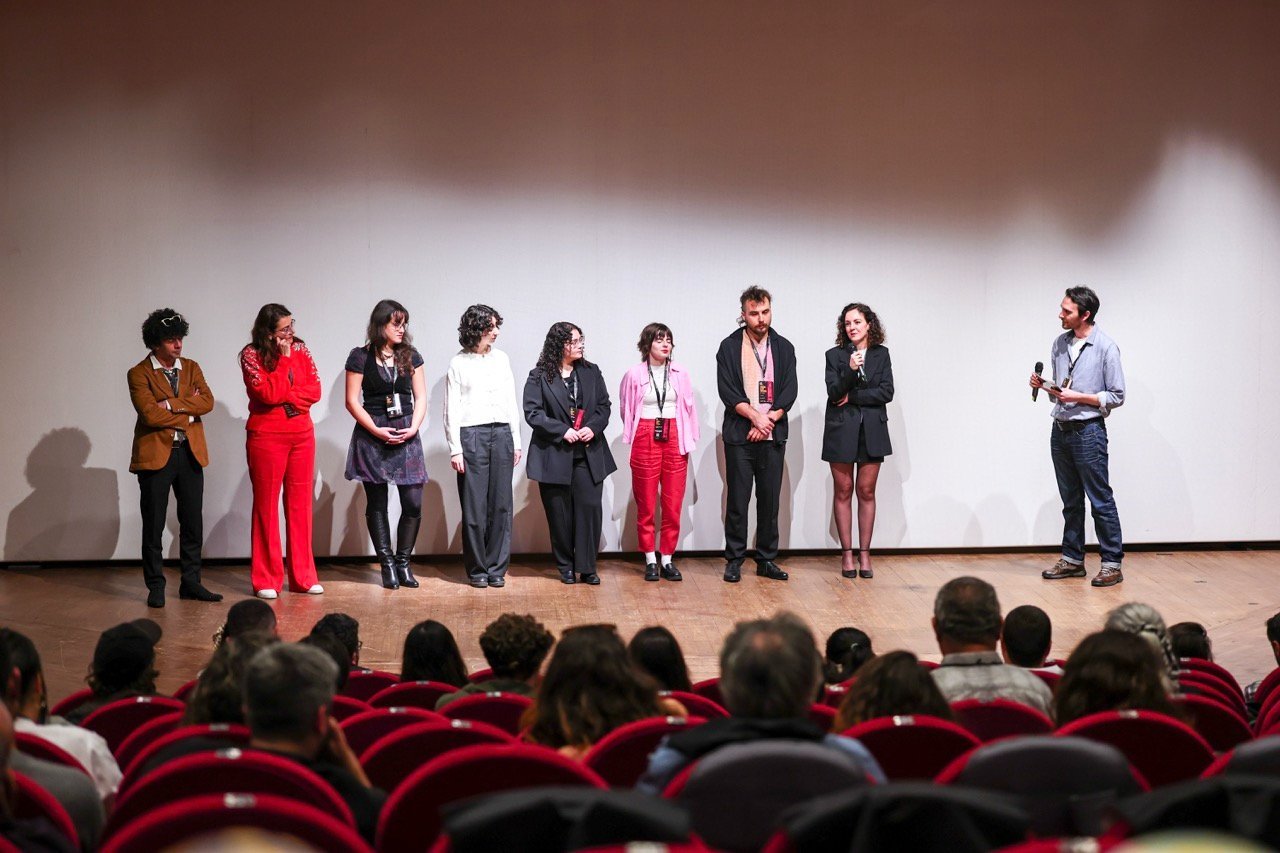
The discussion following “Starfish: A Story of Courage,” featured in the National Documentary Film Competition, took place at Perge Hall of the Atatürk Cultural Center (AKM). Those in attendance included director Onat Can Karabatak, cinematographer Oğuzhan Macar, producers Ali Ergöçmez and Özgür Özgürengin, and the documentary’s central figure, Bengisu Avcı.
Bengisu Avcı, who set out on a swimming journey to cross the English Channel, summarised how she and the director crossed paths and how the documentary came to be:
“In 2017–2018, I set out solely to cross the English Channel, and I filmed it on my phone. I knew that one day it would inspire someone, because it was such an important experience that it needed to be documented. A few years later, after completing a few more stages, I got in touch with my coaches, and then our journey crossed paths with the media. Later, we received support from the AXA team to turn it into a documentary.”
Director Karabatak also described the process after meeting Avcı:
“We met after the fifth channel and were able to film the final two. We didn’t have a controlled environment; it was a bit like playing Jenga. We had to create a story by continually leaving things out of Bengisu’s life. Her own story is already a powerful one that deserves to be told, but it was genuinely difficult to tell it by removing parts of it. In the end, she became the first Turkish person to complete the Oceans Seven challenge, and we accompanied her on that journey.”
Another film in the National Documentary Competition was “Prima Ballerina Meriç.” Following the screening, director and producer Deniz Gürgen Atalay, editor Vincent Rozenberg, and documentary participants Meriç Sümen, a State Artist, Gülen Tekebaş, and Arkın Zirek of the Antalya State Opera and Ballet answered questions.
The film tells the story of Sümen’s return to the AKM stage with Swan Lake and is built around a long-standing friendship. Director Deniz Gürgen Atalay said that she had known Sümen, a family friend, for many years and began work on the documentary the moment Sümen said, “I’m going back on stage.”
“We started filming the very next day. Once I heard that, there was nothing else I could do! First, I called our cinematographer, Murat Baykara, and asked, ‘Do you have a camera?’ He said, ‘Yes.’ Then I went to Meriç and asked, ‘Shall we film this story?’ That’s how it all began.”
Asked to talk about the filming process, Meriç Sümen said:
“I began as I was, without any special preparation. In fact, watching the film now, I realised how much slang I used! But those outbursts are always about my anger with myself, my struggle with myself. I get very angry with myself and I don’t forgive myself. Throughout my life, I’ve tried not to bring my stage life into my private life, because it was a completely different life.”
“Mailbox 213 – Diyarbakır,” featured in the Documentary Special Screenings programme, is directed by Orhan Miroğlu, who is also known as a politician. The film addresses human rights violations at Diyarbakır Prison, a symbol of the military coup of 12 September. After the screening, director Orhan Miroğlu, cinematographer Cevahir Şahin, supervisor Mehmet Eryılmaz, and participants Paşa Akdoğan and Abdullah Çelebi answered questions.
Miroğlu described how the documentary came about:
“Everyone who came out of that place has dreamed of telling its story. After my memoir-novel about it, I wrote two more books. Diyarbakır Prison has always been part of my life, both in my writing career and in my political experience. In 2009–2010, the idea of demolishing the prison and building a school in its place came up. Many of our friends opposed the idea, and so did I. Now, the Ministry of Culture is turning it into a museum. We wanted our story to become part of that museum, too.”
Miroğlu explained why the documentary gives a voice both to the victims and to the other side:
“Those two interviews—with the lieutenant and the captain—were deliberately planned. Captain Ümit is a very democratic person, and our lieutenant is actually a writer; after completing his year of service there, he joined a media organisation. In 2014, Okan Bayülgen had a programme called ‘Beyin Bedava.’ One day, Mr Bayülgen decided to discuss torture and invited me as well. A colleague working there said, ‘Someone is calling you and asking for your phone number.’ That’s how the story began; I conducted my first interview right away. To be honest, I didn’t feel as though I was confronting a torturer.”
Paşa Akdoğan, one of the documentary’s participants, also shared his feelings:
“Every time I watch the film, I feel as though I am being subjected to the same torture all over again, as if I were reliving it. History is full of pain and misconceptions. The painful part is that military coups have taken place in these lands every 10–15 years, putting democracy on hold and brutally trampling human rights. I don’t know whether this should be called coming to terms with the past or something else, but it is a duty we all share.”
Cinematographer Cevahir Şahin echoed Miroğlu’s remarks: “When Orhan first told me about it, I hadn’t imagined it was so profound, so traumatic, so chaotic. When you hear these accounts first-hand while filming the interviews and documenting Diyarbakır Prison, you are horrified.”
Documentary supervisor Mehmet Eryılmaz said that he, too, had been imprisoned during the period following 12 September, but that after hearing what had happened in Diyarbakır, he likened his own conditions to a “five-star hotel.” Eryılmaz added, “I studied cinema; contributing to a film like this is a way of repaying a debt of conscience.”
Ahmet Çelebi, another participant in the documentary, said he had been imprisoned at the age of 17. He noted that, unlike developments elsewhere in the world, Turkey had failed to make progress on human rights and women’s rights in the years that followed, saying, “The sole reason for this is Diyarbakır Prison.” He added, “Orhan Miroğlu has made a very good documentary. There is nothing ideological about it; what happened there is recounted exactly as it was.”
Also present to answer questions after the screening of “The Search,” part of the Documentary Special Screenings programme, were director Aslı Akdağ, screenwriter Büşra Coşkun, and participants Yıldız Işık and Ezgi Sorman. Yıldız Işık, whose story first set the documentary in motion, described the experience from her perspective: “It turns out that sharing parts of your own life is very difficult. Because I was born in Veliefendi, she took me there. I returned to my childhood; it became something I will never forget for the rest of my life.”
Ezgi Sorman said, “Everything felt very natural because I wasn’t acting; I was telling my life story. But beyond that, the music was incredibly moving! As a sound healer and therapist, I had wondered how it would turn out, and I saw that they had done a wonderful job with the music, too.”
In response to a question about the trustworthiness of the people she had turned to for help during her search for herself, Yıldız Işık said:
“I had a childhood in which I didn’t trust people. The story began with horses and dogs; I started talking to them, and I found comfort in cemeteries. Then, to keep myself from losing my mind, I found the natural flow within the breath—my inner self, compassion... No one helped me; I found it on my own, although there may have been things I inherited from my mother. She wasn’t someone who showed her love, but I would look for a philosophical meaning in every sentence she said. May she rest in peace; she was a very noble woman. Perhaps the motivation I found for living came from what I learned from her. Later, I also came across some wonderful teachers.”
The director said that, alongside following the three characters, she also traced her own search, which in turn reflected her outlook on life:
“We begin the film with a saying by Rumi. The documentary is built around the idea that, at our core, we are all connected to one another. Although our three characters may seem very different, I wanted them to carry traces of all of us, reveal our similarities, and speak to one another within the documentary. The production process unfolded in the same way: we began this journey with Yıldız. The fact that she was born in Veliefendi as the daughter of a horse trainer was visually very powerful and moved me. We wanted to visit the place together. There, we met Alperen; through him, we found Ezgi, and eventually we went to Cappadocia.”
Perge Hall at AKM also hosted the excitement of the National Short Film Competition today. The team behind “There’s a Problem with the Address” answered questions after the screening. Those present included director Murat Ayyıldız, producer Elif Gökçe, actors Baykal Güven and Mehmet Bozdoğan, producer and cinematographer Emre Pekçakır, and post-production supervisor Afra Kütük.
The director said the film’s starting point was the question, “What can happen when a politician fails to keep a simple promise to take a photo?” The film tells the story of an elderly man eager to have his picture taken with a politician he admires, and his nephew, who is drawn into the contentious world of politics he has tried to avoid because of the man’s enthusiasm.
Another film in the competition was “Porkatal.” Director Sis Gürdal, actors Naz Göktan and Musab Yılmaz, co-producer Tuba Taçan, production manager Seyit Altun, and production designer Osman Uluca took part in a discussion following the screening.
Director Sis Gürdal said she decided to make the film after learning that hundreds of children in Türkiye are forced to stay in prison with their mothers. She described the process as follows:
“I contacted specialist psychologists working on this issue. I wanted to focus primarily on how a young boy tries to reintegrate into society after leaving prison, and how he moves from the world of women into the world of men. In portraying Engin, I also wanted to focus on this: when Engin leaves prison and goes to the village, he doesn’t settle there. He makes a plan—a plan to return to his mother—and that is the whole truth of it.”
The team behind another competition short, “Kindergarten,” was also at Perge Hall at AKM to answer questions. Director Melis Balcı, producer Nazlı Eda Noyan, musician Murat Ömür Tuncer, sound designer Ataberk Genç, 2D animation lead Doğa Alkan, and animation clean-up lead Yağmur Naz Ünal met with the audience.
Director Melis Balcı said the animated film was inspired by an incident involving a friend and explained how the story developed:
“My friend, who moved to France, had to attend a mandatory drawing workshop. It was a workshop attended by parents and children of kindergarten age. My friend made an ugly drawing and tried to draw better, but felt ashamed because the others found it strange. I’m not a parent, but the shame you feel because you’re different from everyone else is very familiar to me. That was what resonated with me in my friend’s story.”
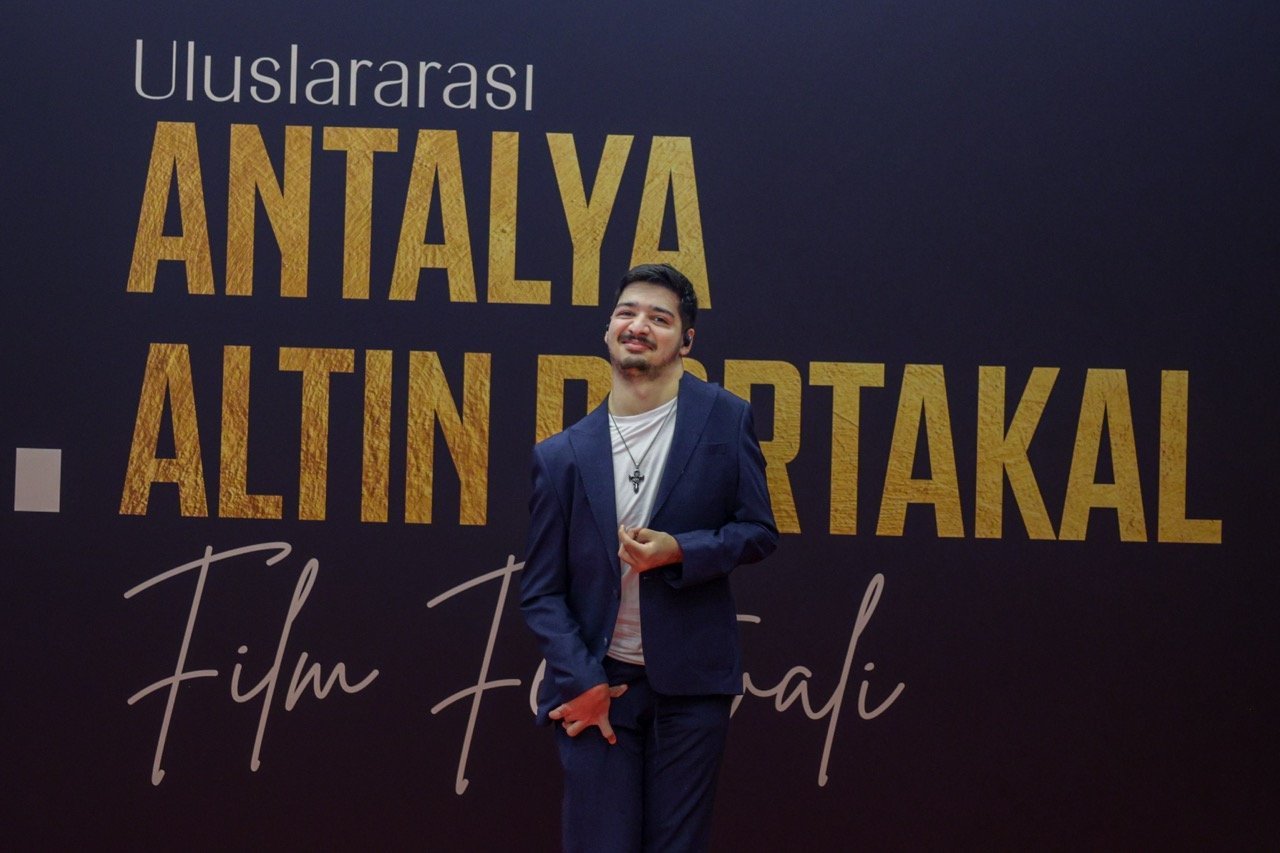
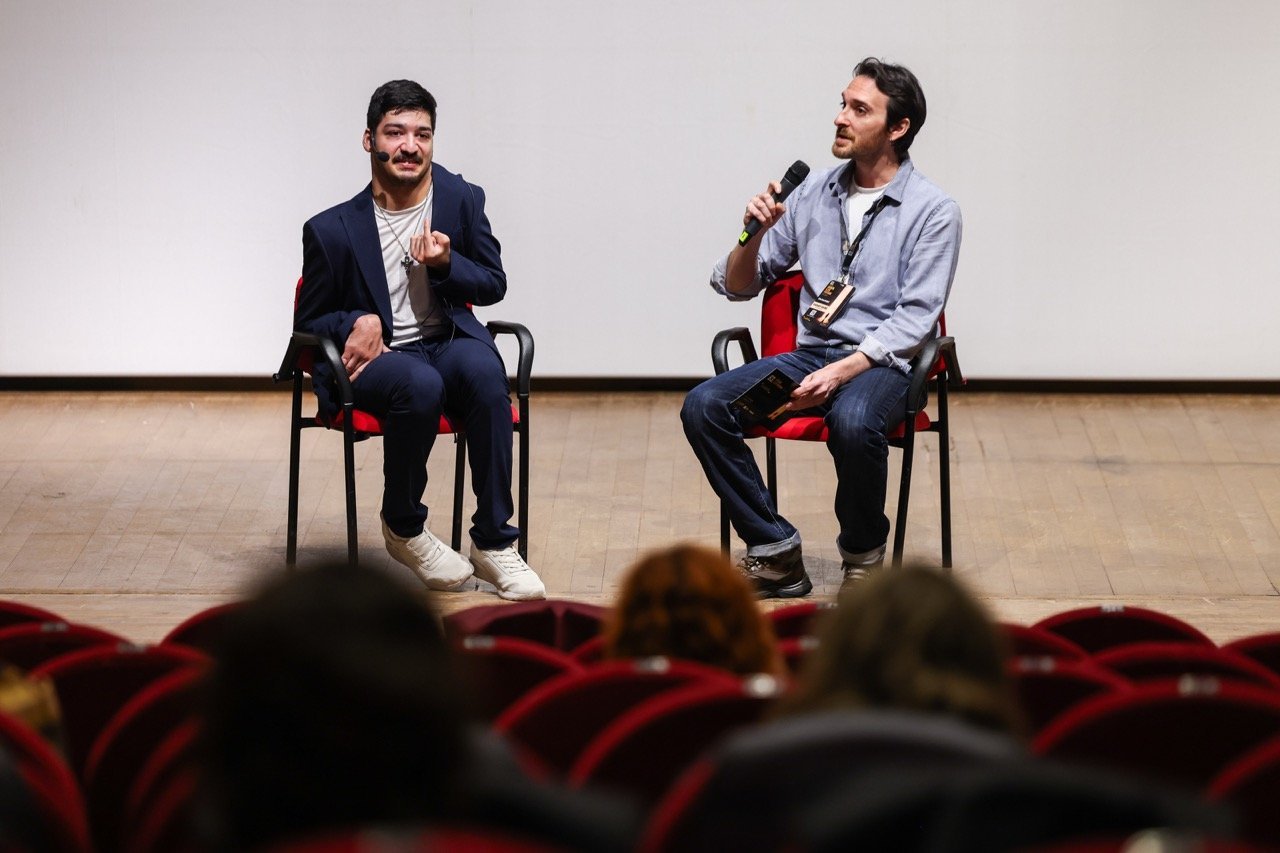
Films in the Short Film Special Screenings programme were also shown at Perge Hall at AKM today. Mert Can Altun, director of “The Lost Claws of Anatolia,” attended the post-screening discussion. Altun said that, as a person with a physical disability, he identified with the struggles of the Caspian tiger and Anatolian leopard depicted in the film. He said he completed the documentary in three months using artificial intelligence and real photographs as references, and added that his next project would focus on the story of a single person.
Ege Yılmaz, director of “The Ghost Has No Home,” also featured in the same programme, and producer Aleksandra Wolczej joined the post-screening discussion. Yılmaz said the film began as a project at the Warsaw Film School and drew on his own feeling of being rootless and without a home. Agreeing with a comment that the film shared similarities with his previous work, “Lumina,” Yılmaz said, “I think ‘Lumina’ and this film are like siblings in terms of their themes; I explore similar themes.”
Another film presented to audiences was “Step by Step Home.” Screenwriter Elif Feyza Demir, director Evrim İnci and producer Berker Bülbüloğlu answered questions after the screening. Director Evrim İnci said she learned about the landmines in Karabakh during a trip they had organised to Azerbaijan, immediately informed her producer, and they began working on the film. Producer Berker Bülbüloğlu said, “When Evrim called me and told me about the project, I immediately thought we had to make it. We knew that a story like this had never been told before, and Azerbaijan is our brother country; that’s why we felt we had to make it right away. It was very important to bring this story to Turkish audiences.”
The director described the many challenges they faced during filming:
“Normally, when filming, we have our shot, our reverse shot, our side-tracking shot... We couldn’t do most of these because we weren’t allowed to take even a single step. As soon as we arrived to film, they put us in bulletproof vests. They told us, ‘You have to wear these because you’re entering a mine-clearance operation area, and your bodies need to be protected in the event of an accident.’ We hadn’t expected anything like this; it affected us psychologically in a completely different way. Even when we needed to use the toilet, we were told, ‘No, you can’t go; everyone turn around, and we’ll do it here.’”