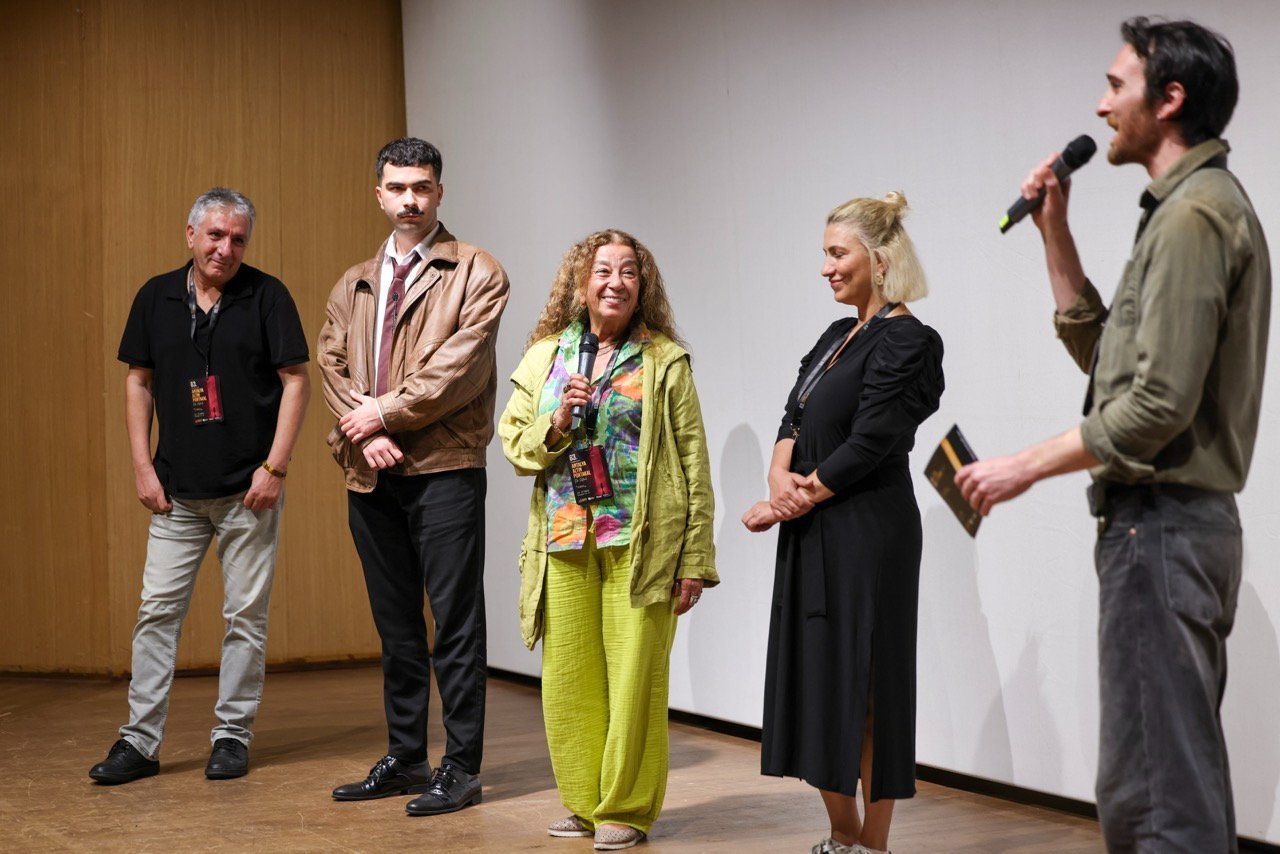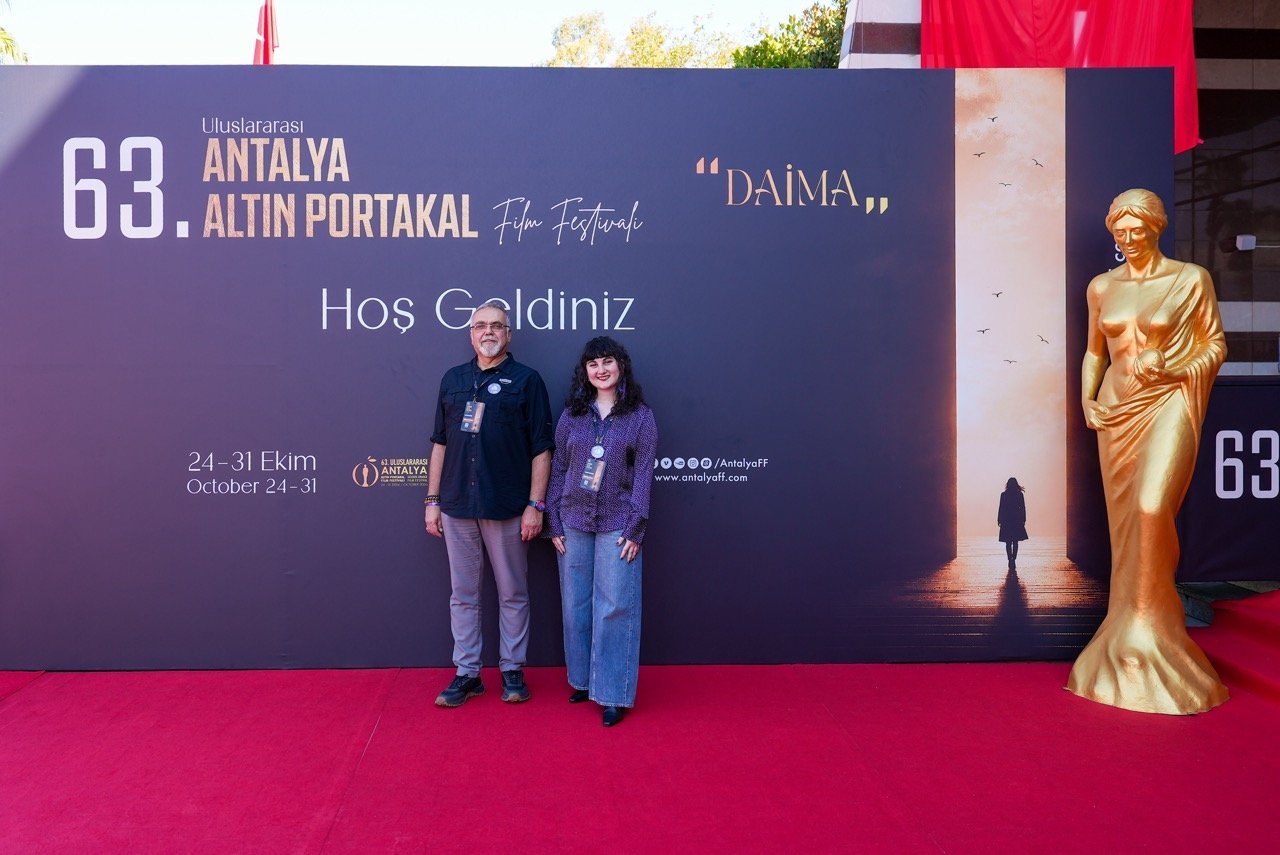
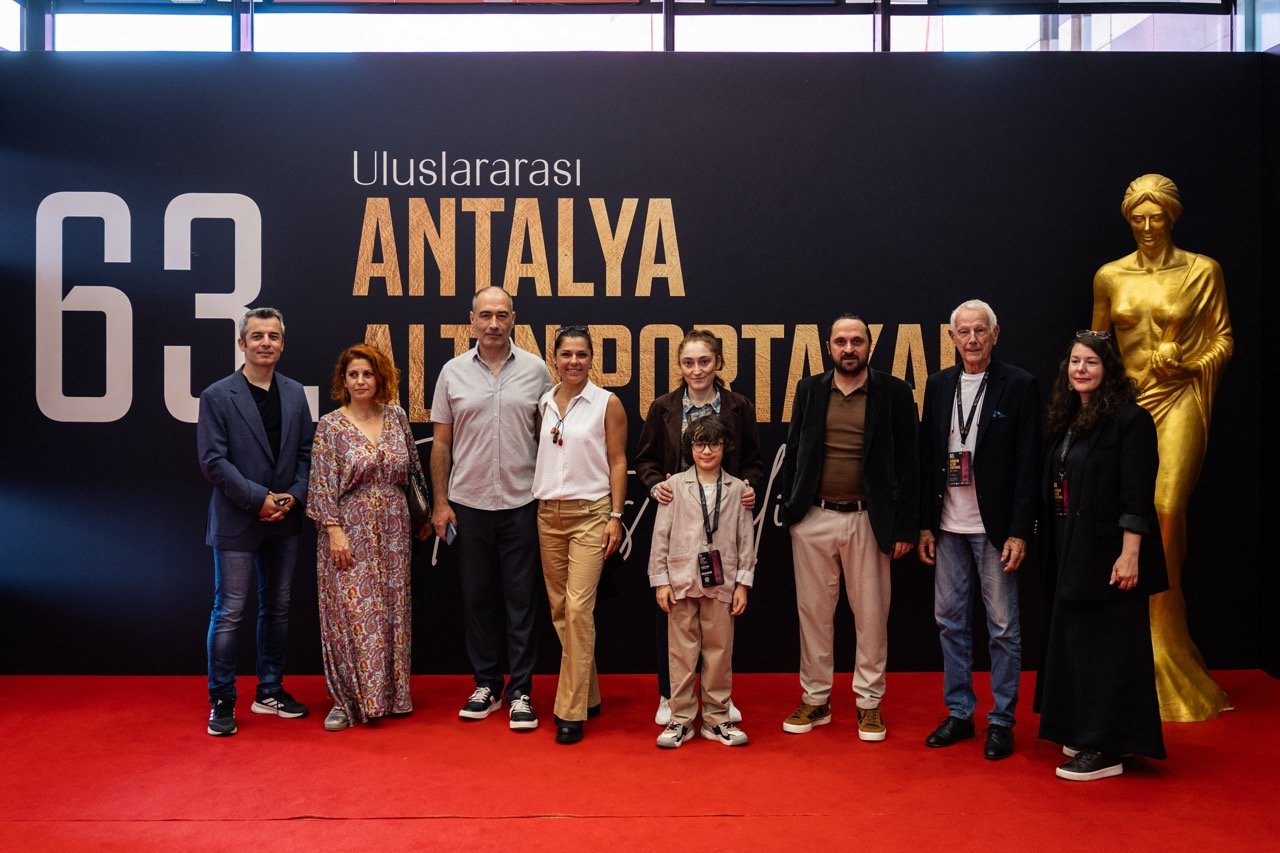
The 63rd Antalya Golden Orange Film Festival continues to bring stories of reality and imagination from all around the world to its audiences. Today, short films, documentaries and student films from film schools on a wide range of fascinating subjects were presented to film lovers.
The 63rd International Antalya Golden Orange Film Festival is drawing to a close with documentaries, short films and student films from film schools. On Friday, eight documentary and short-film productions in the competition and special screening categories met with audiences. The second selection of the Film Schools Student Films Competition, held for the third time this year, was also screened.
He left cinema behind and became a miner
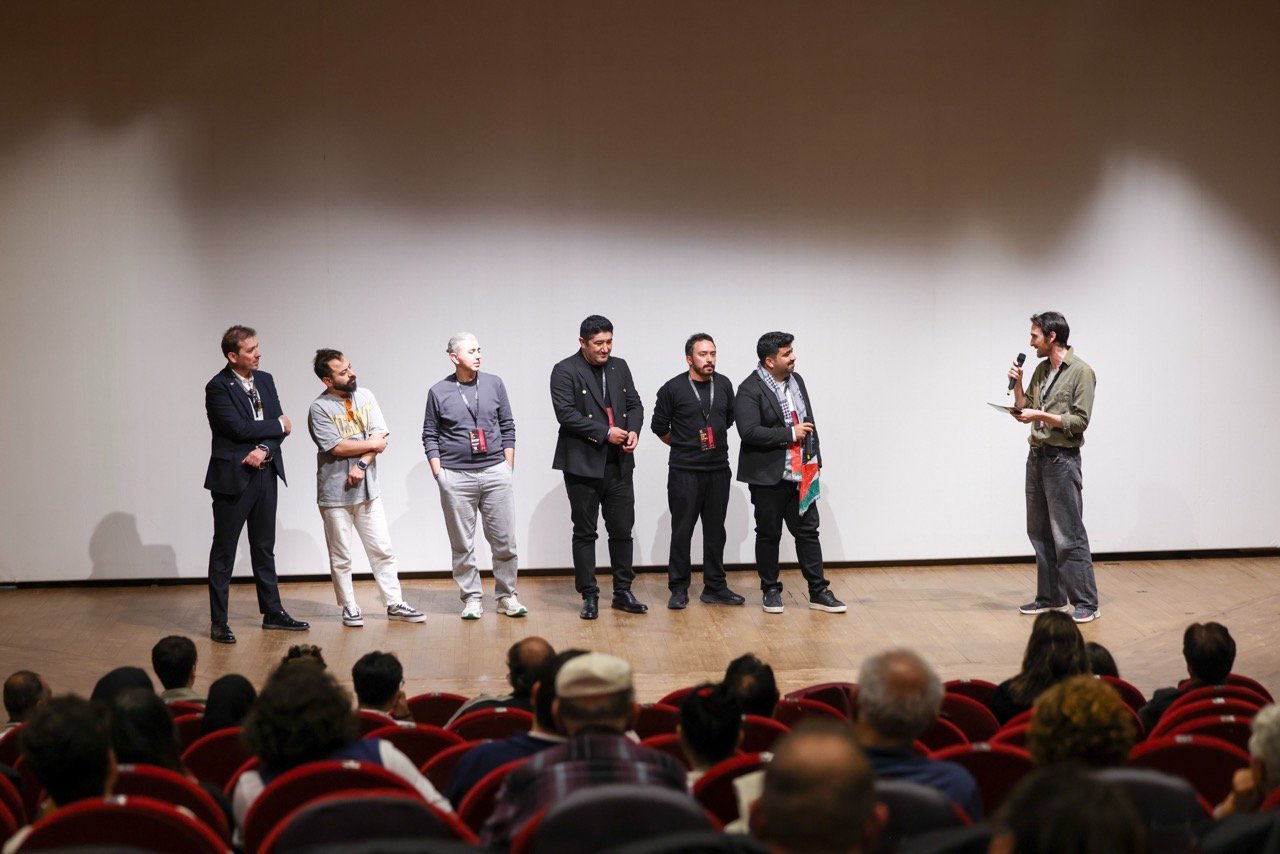
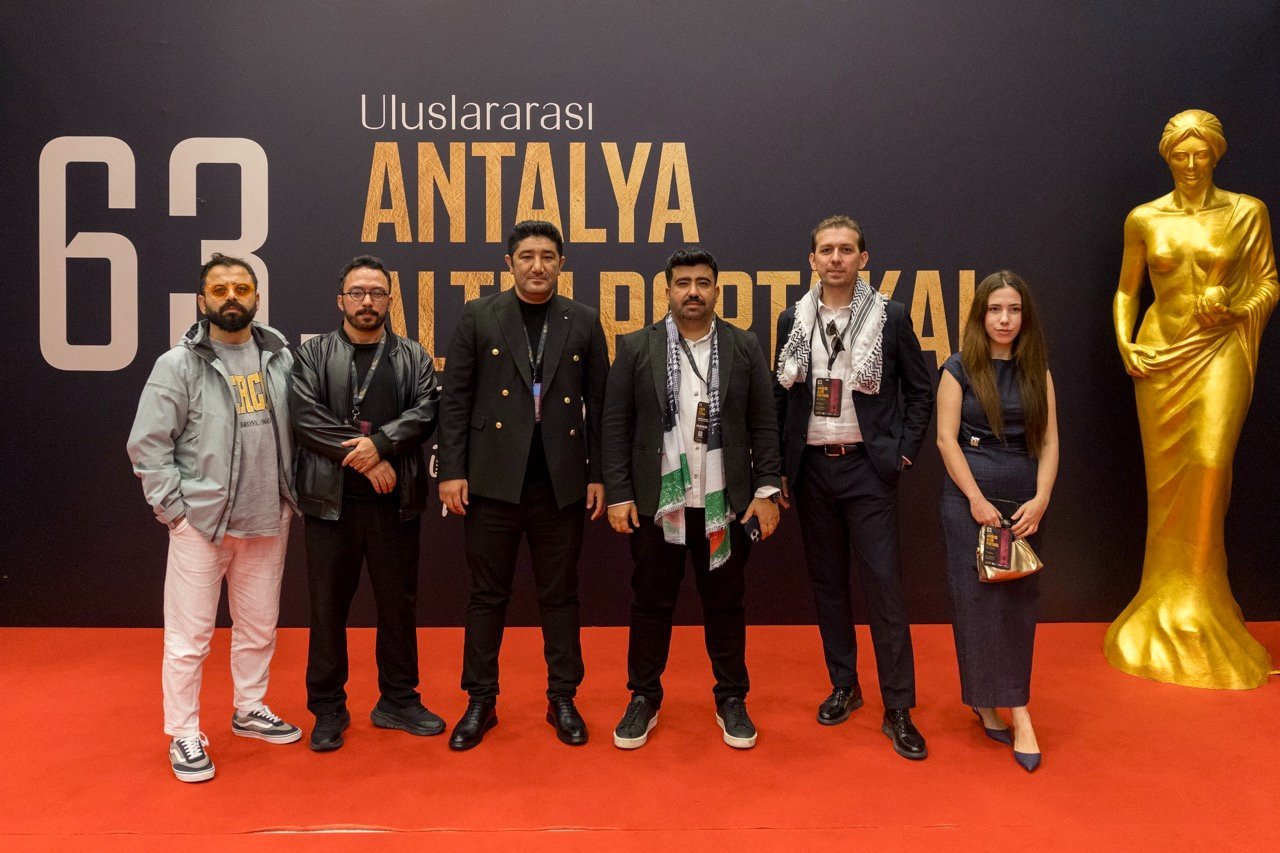
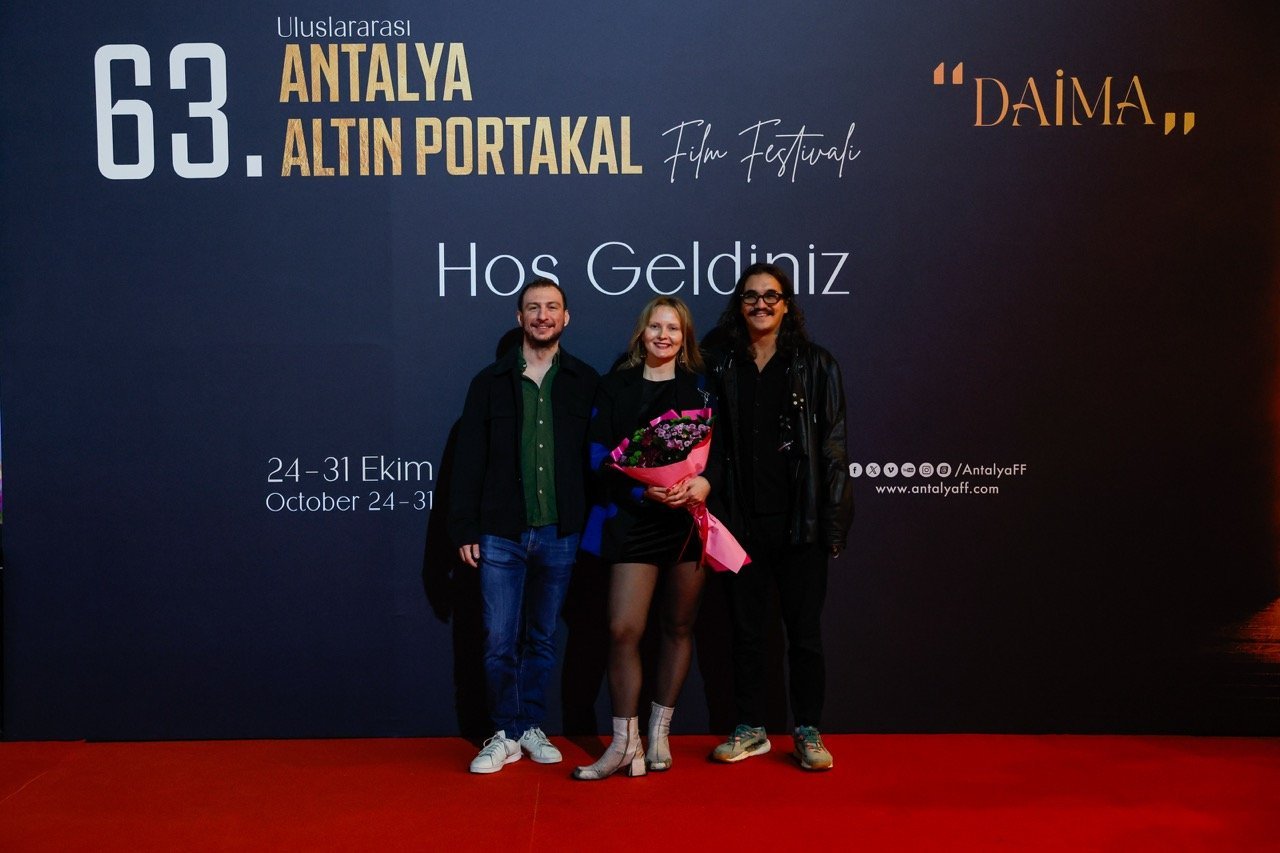
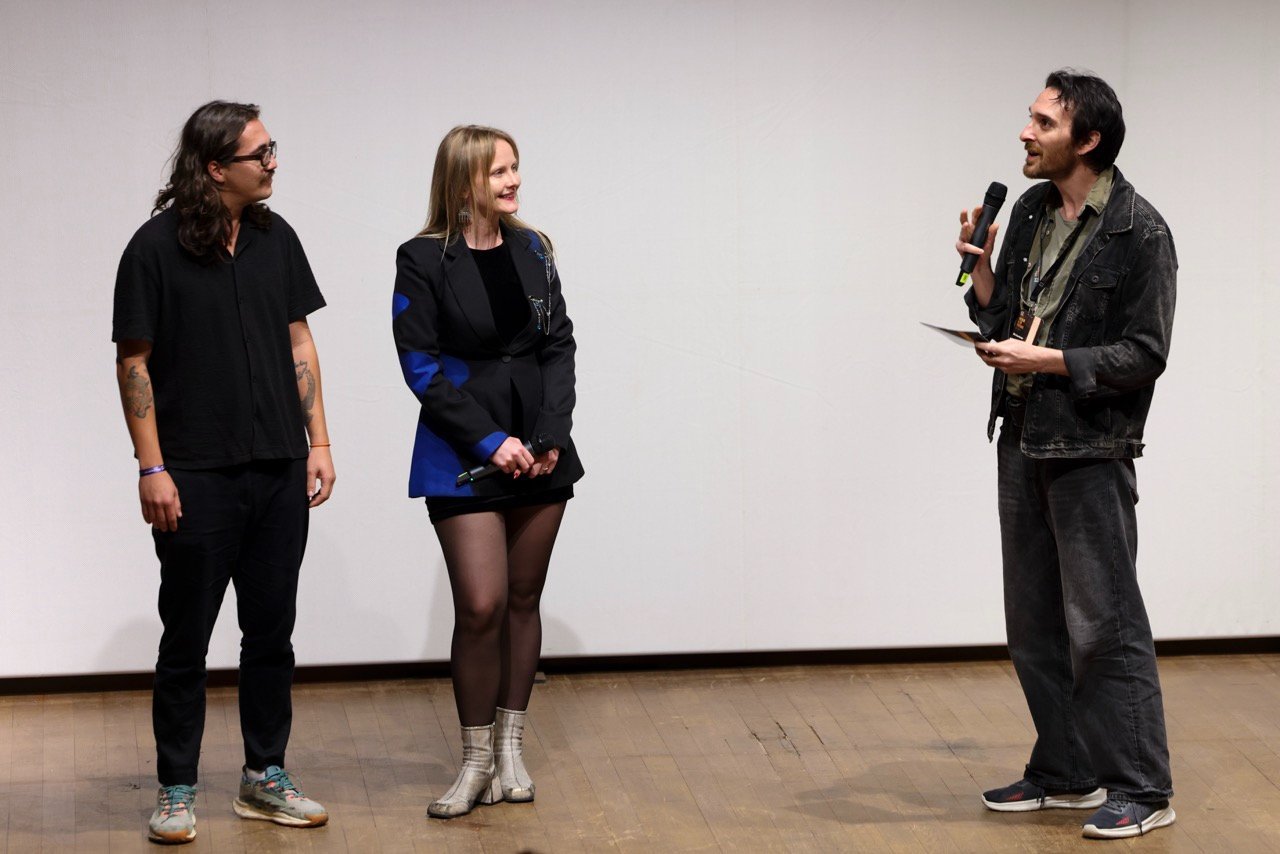
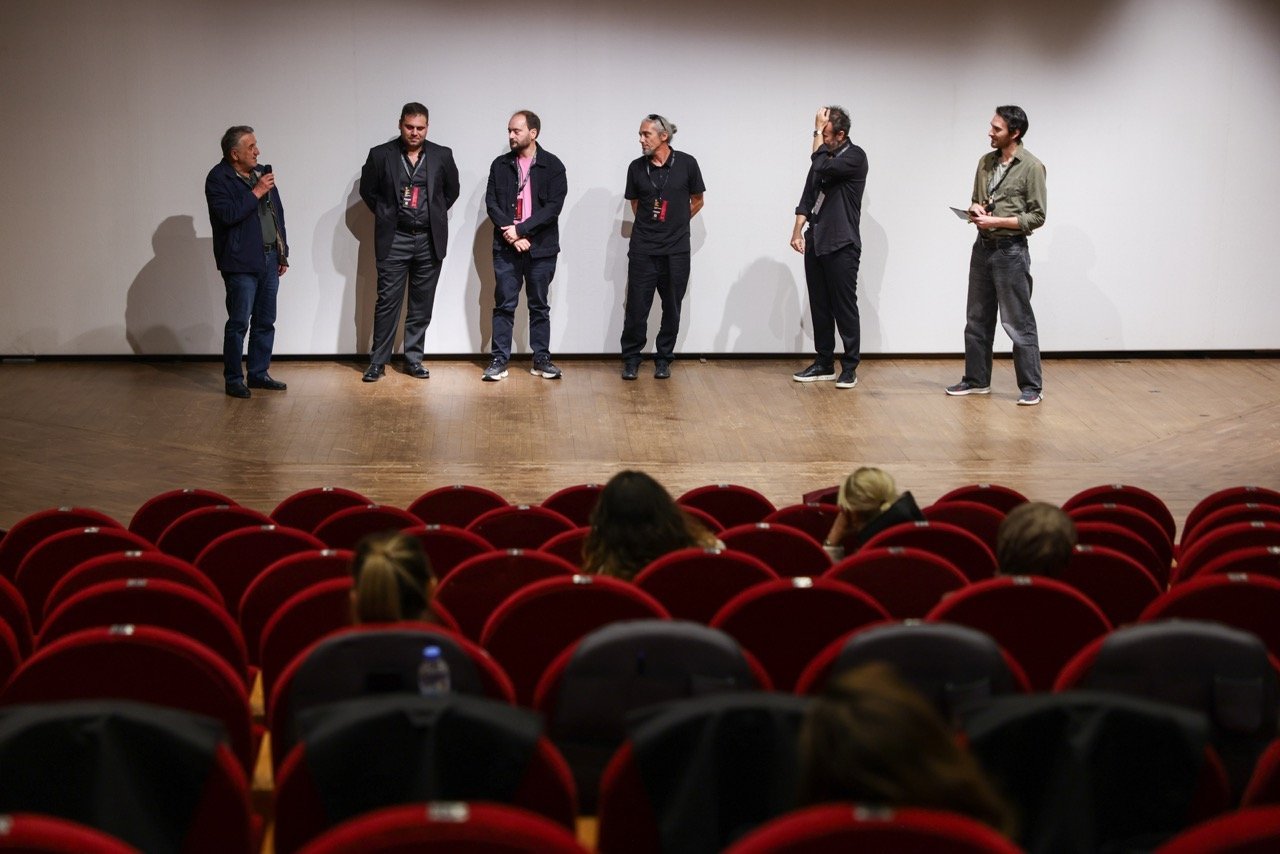
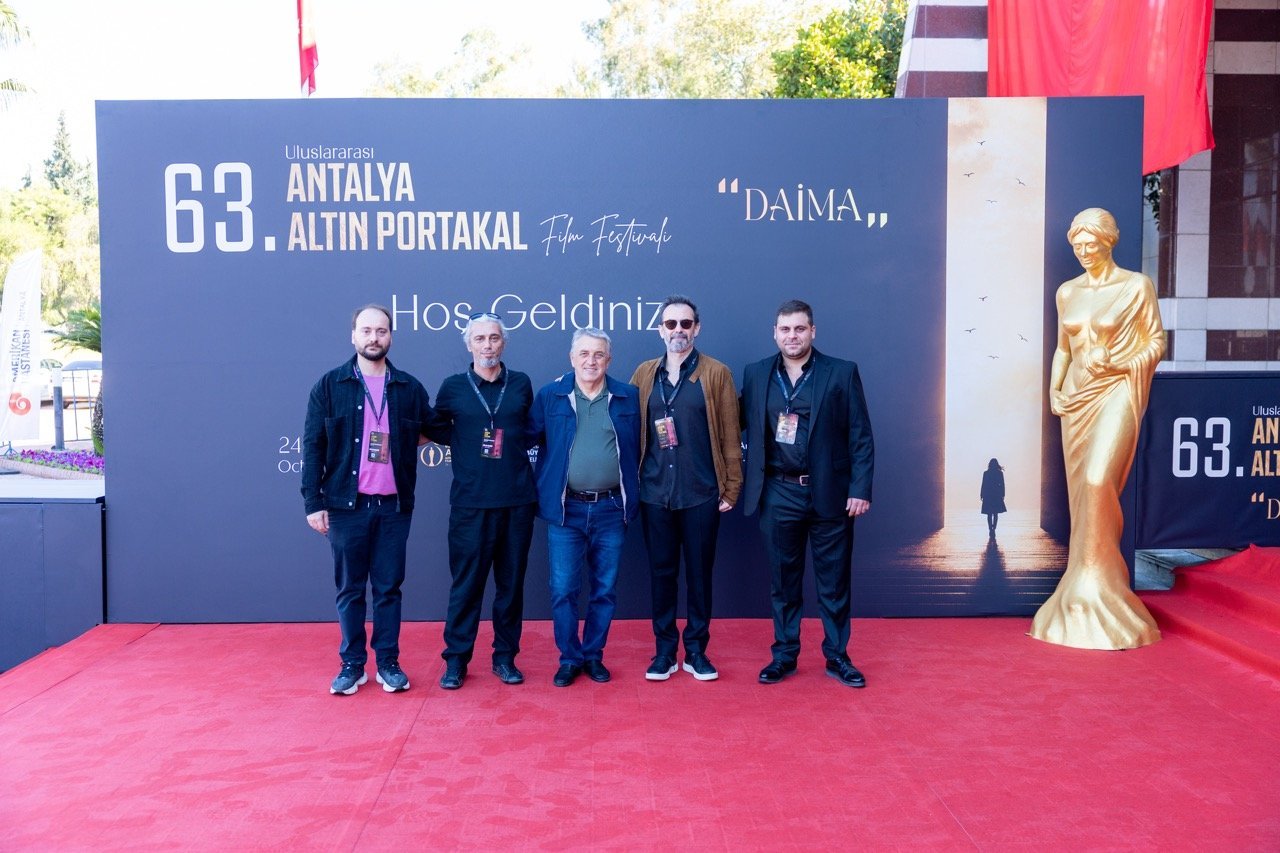
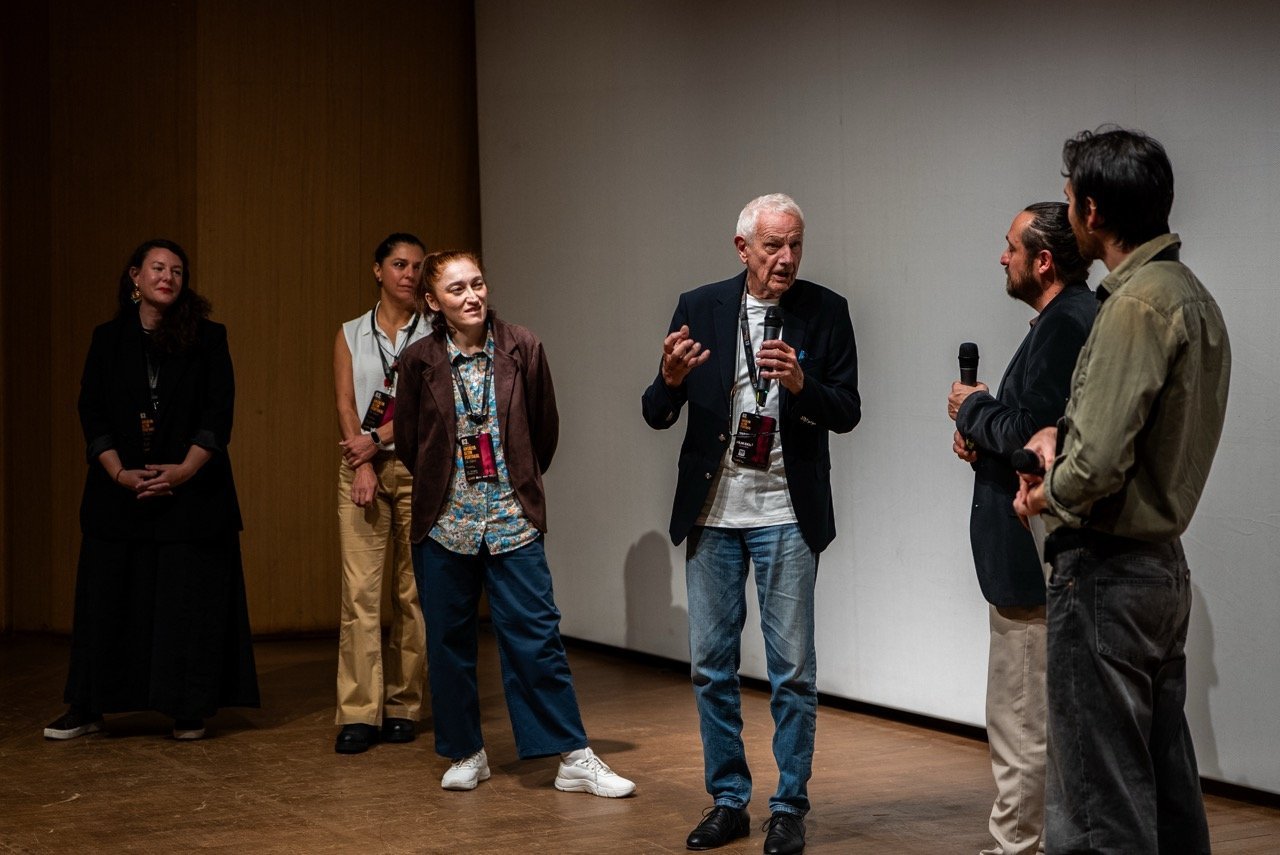
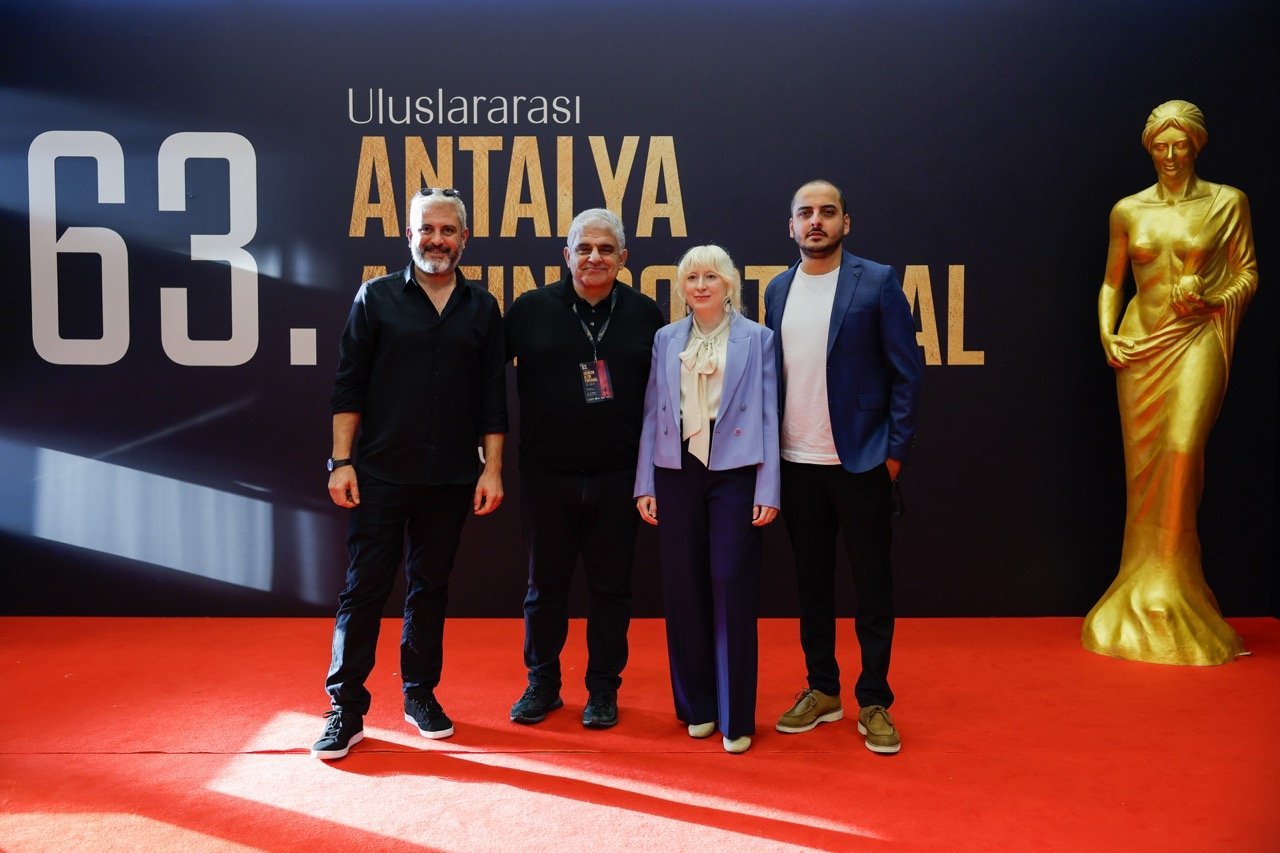
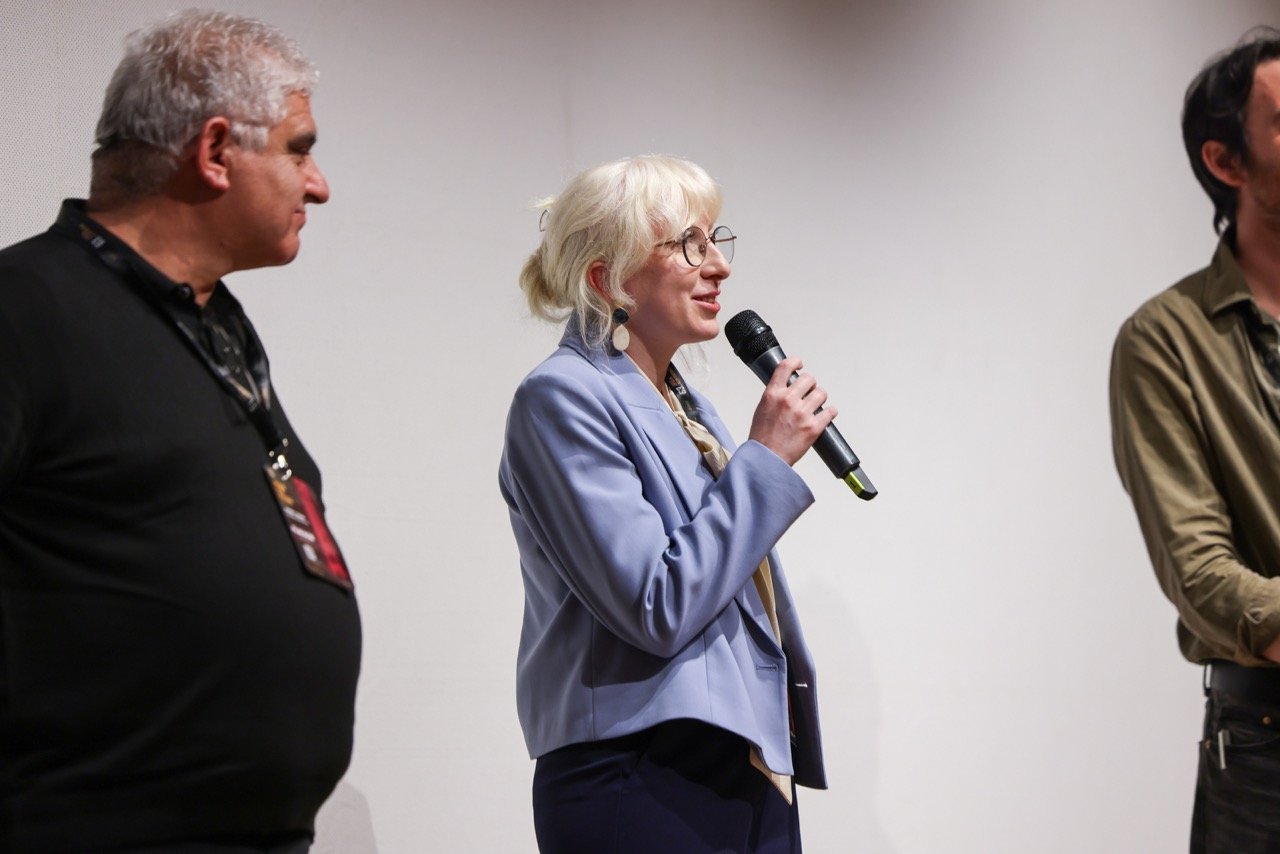
The first event of the day was a post-screening Q&A with the audience for “Mükellef,” featured in the National Documentary Competition. The session was attended by director Arda Sarıgün, producer Mehmet Erkmen, participants Can Doğduaslan and Akın Ertürk, and consultant Yusuf Şen Tatar.
Director Arda Sarıgün, who noted that he is also from Zonguldak and is familiar with the lives of miners, said, “The documentary took shape on its own as we talked to the workers.” Perhaps the most original aspect of the documentary was that Akın Ertürk, who participated in it as a miner, had previously worked in cinema:
“I started working as a camera assistant on the set of Arka Sokaklar when I was 18. I worked in the industry for many years—as a camera assistant, second assistant, first assistant, focus puller, and so on... You know, I grew tired and overwhelmed by issues in our industry—or my former industry—such as long working hours and irregular salary payments. My family is also from Zonguldak on my mother’s side. My uncle, my grandfather—they were all miners. The show I was working on had gone on its season break at the time. I went to Zonguldak, and my uncle said, ‘Come and give it a try. If it doesn’t work out, you can quit.’ I’ve now been a miner for eight years. I’m very happy.”
Kusturica’s cinematographer lives in İznik!
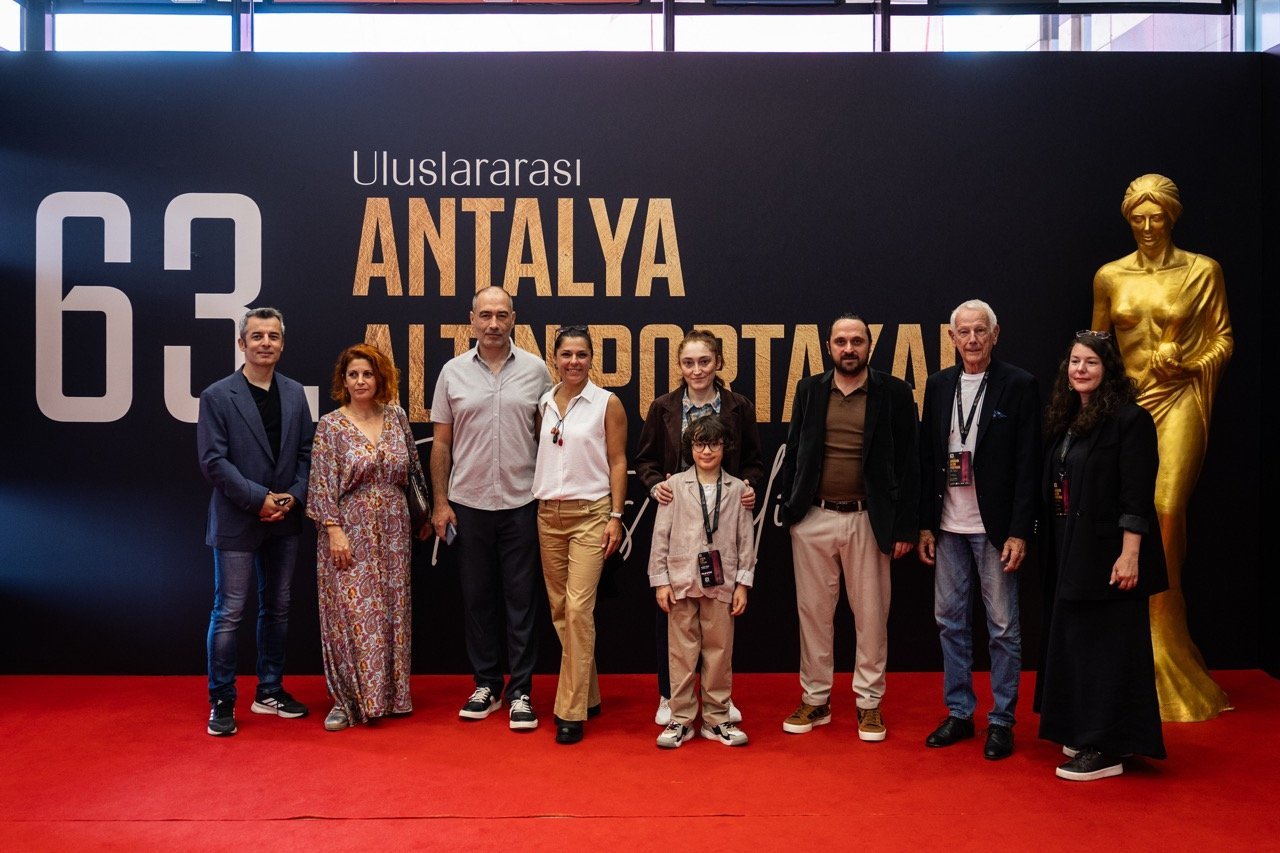
The day’s second documentary in the competition was “Kameram 45 Kilo.” Director Kenan Özer, art director Eylem Atakav Muratoğlu, and participants Colin Mouner and Pelin Mouner met with the audience after the screening.
Director Kenan Özer explained that the documentary, which explores the life of Colin Mounier, whose journey in cinema began in Paris as a cinematographer before bringing him to Türkiye, came about by chance:
“We moved to İznik about four years ago. Colin became our neighbor there. Ceren had mentioned him before—a cavalry captain, Kusturica’s cinematographer—but I couldn’t quite picture him. While I was expecting a more aloof, scarf-wearing type, we suddenly encountered someone in a straw hat, constantly doing things in his garden, always creating, someone whose table we never seemed to leave. Colin has worked on more than 70 productions, so telling his story takes a bit of courage.”
Colin Mounier shared his feelings, saying, “I’m seeing myself for the first time; normally I’m behind the camera. I suppose my particular strength is supporting actors and giving them confidence.”
A film that draws on the wisdom of our ancient mothers
“Ana’dolu- Bacılar, Bibiler ve Ezeler” was a documentary featured in the Out-of-Competition Special Screenings program. Exploring motherhood and its rituals across an extensive period and geography reaching back to Central Asian shamanism—and the origins of the terms “bacı,” “bibi” and “eze”—the documentary’s director Ebru Güzel, experts Haydar Çorum and Kıymet Kına, academic Ayten Türker, and city promotion specialist Canan Şimşek took part in a post-screening discussion.
Director Ebru Güzel, who said that premiering at Golden Orange on the 103rd anniversary of the Republic was deeply meaningful to them, stated, “Because we believe the Republic is a women’s revolution, and we wanted to repay our debt of gratitude to our foremothers; I hope we have managed to do so, at least to some extent.”
Kıymet Kına, noting that the documentary came to life through the Anatolian expression “hand in hand, toward the divine, toward the truth,” explained: “This film came about in much the same way, through collective effort across different circles. The issue of women is not solely a women’s issue. If we can look at women’s issues differently, we can see how human rights problems and environmental problems can be resolved more effectively. We need to remember solidarity, sharing, equality, and standing side by side.”
The director, who said the documentary took a total of five years to make, highlighted the importance of the concepts of “receiving a hand / extending a hand,” which inspired the film, with the following words:
“Ancient traditions are not well preserved; they are forgotten and are not passed down from mothers to daughters as much. They remained with grandmothers; those bibis and ezes are gone. In anthropology, this is called ‘knowledge embodied, made flesh.’ What we call collective memory is recorded in our memories. Do you know how they encoded it? You know the symbols in the embroidery on clothing—they encoded it there. For example, with satin quilts, you encode an entire world onto them. You bring the sky down to earth; think of it in terms of microcosm and macrocosm.”
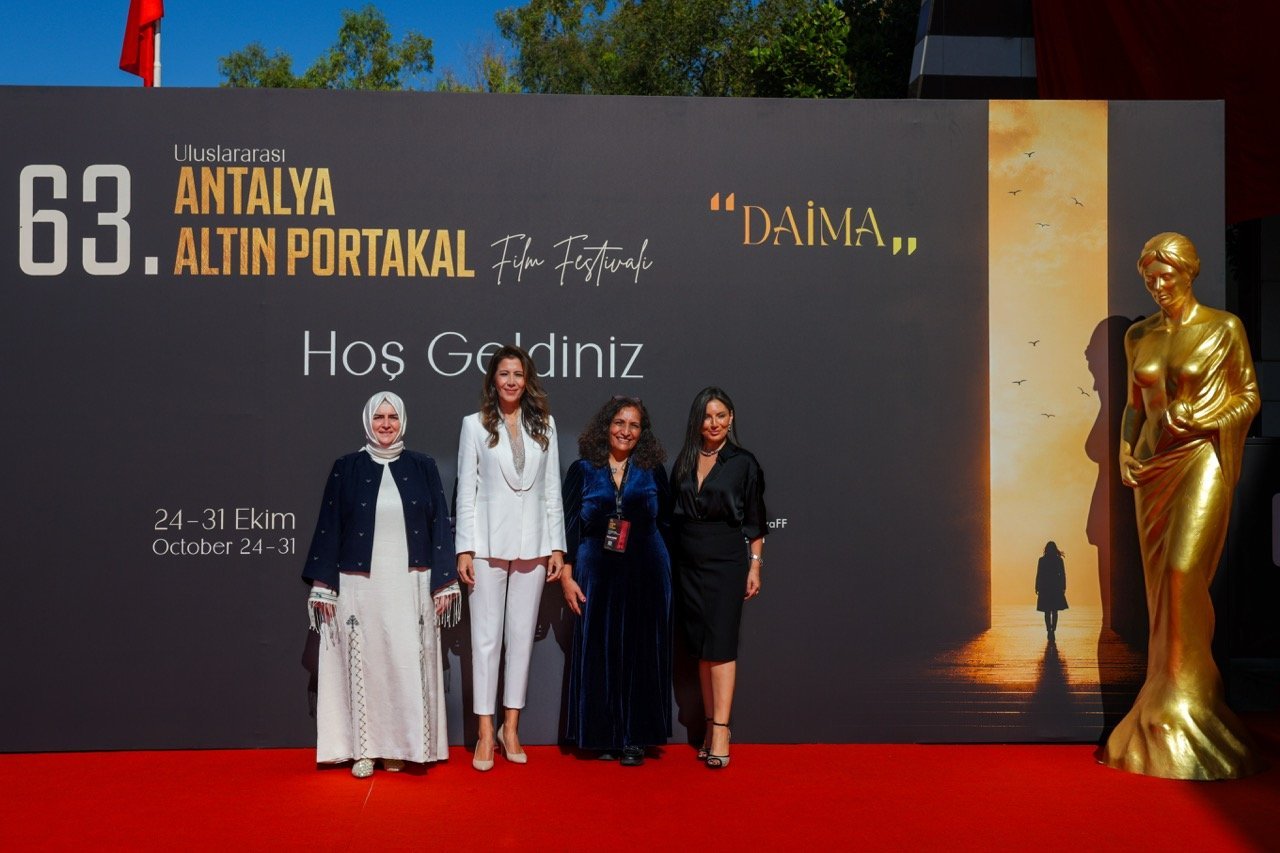
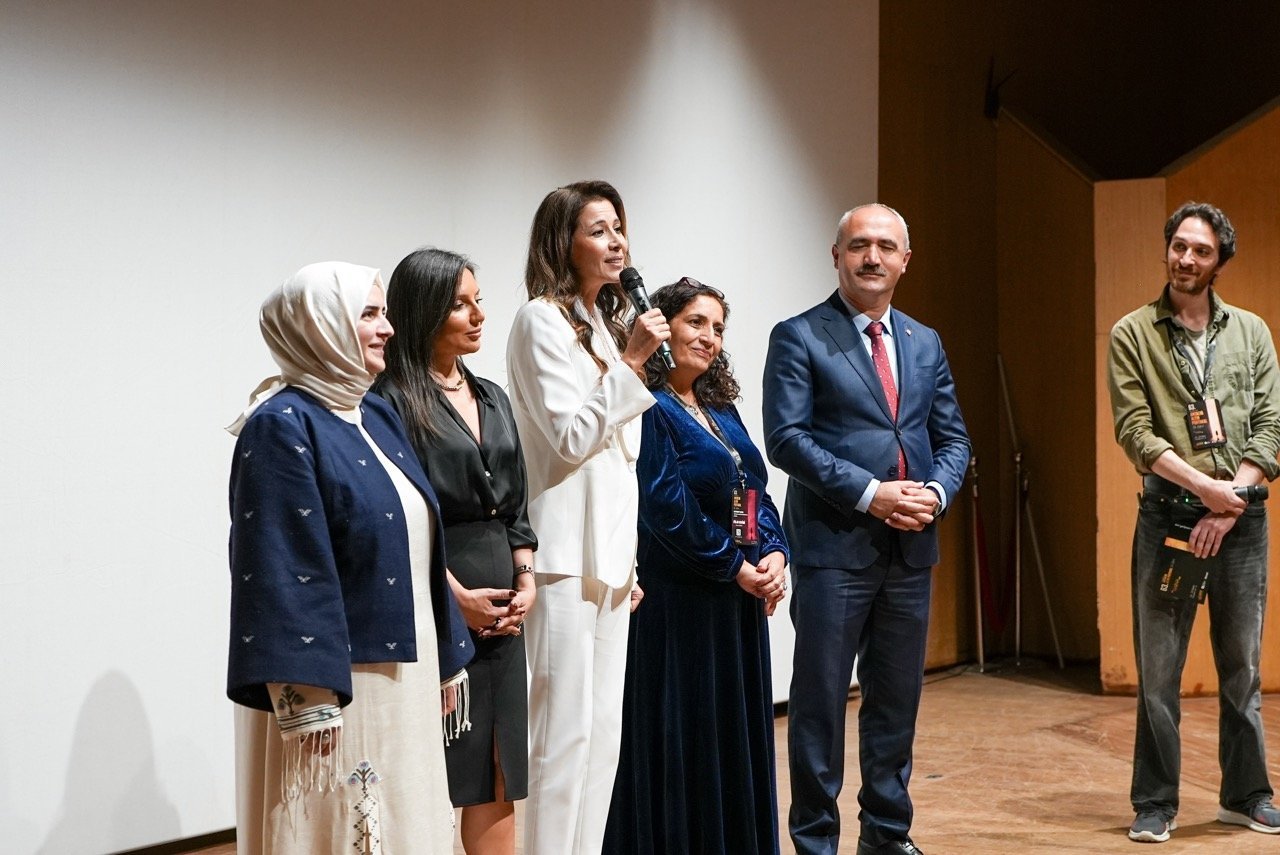
Canan Şimşek explained Güzel’s words through the garment she was wearing:
“This is a cepken, an indispensable garment for Anatolian women, made from ehram fabric woven in Erzurum. The para çiçeği motif you see in the slits represents abundance, since coins were used in the past, and there is also a tree of life motif. The paired structures on both sides of Yakutiye Madrasa and the Çifte Minareli Madrasa are important to us; they signify dominion over East and West. We see this at the madrasas.”
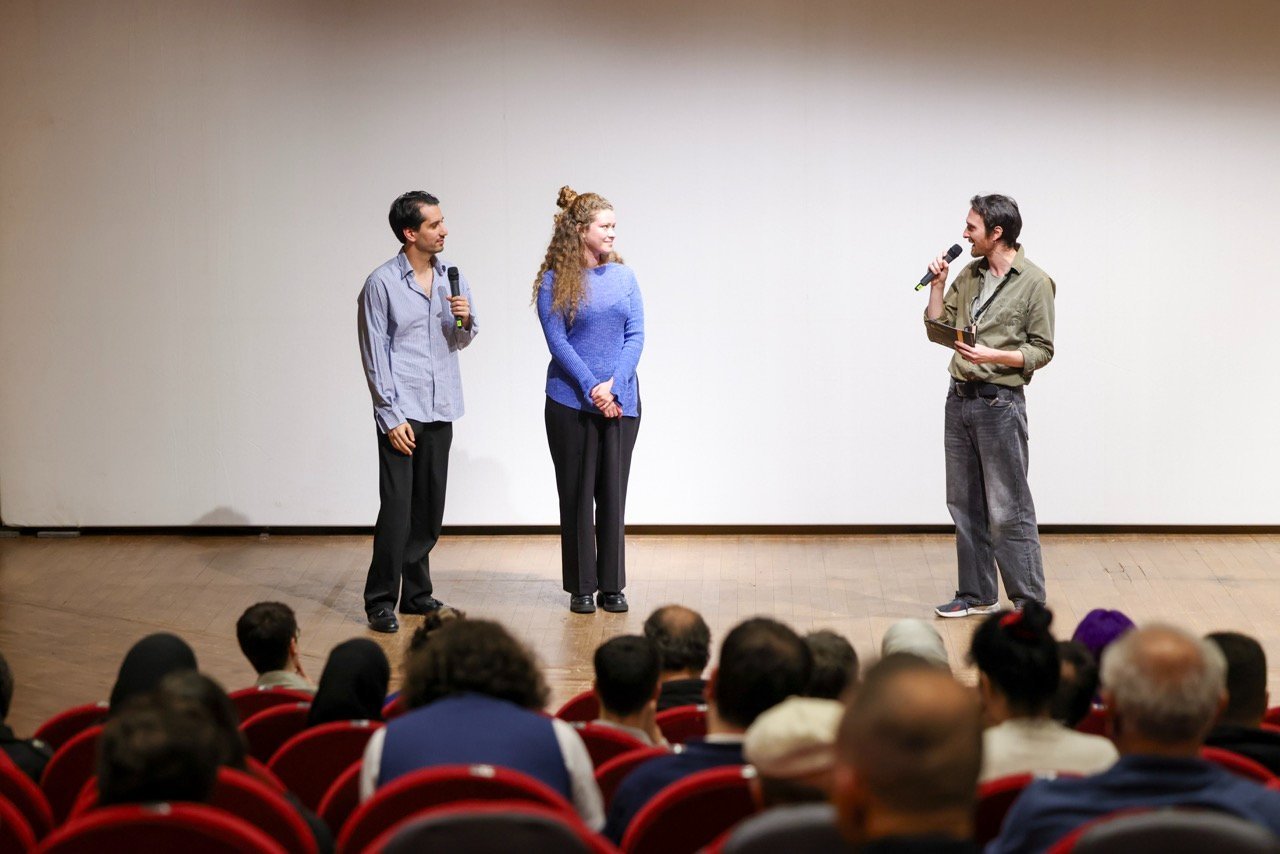
The other production in the Documentary Special Screenings program was “River Dreams,” which had its world premiere at the Berlinale and won the Ecumenical Jury Award. Director Kristina Mikhailova and co-producer Halil Buğday participated in the post-screening discussion.
Kazakh director Kristina Mikhailova said the following about the film:
“I included a surprise in the film for our Turkish audience, and I’m very happy to be here with my Turkish co-producer. What we did was very simple: we stood by the river and asked the women there to describe themselves as a river. I first did this with actors, artists and activists, but I became curious about what more women would say, so I decided to expand it.”
A Superman who can’t even help himself
Three films were screened today in the National Short Film Competition. Following the screening of “Süpermen Bozkıra Düştü,” which tells the tragicomic story of Kâzım, who faces various hardships while walking around in a Superman costume to earn money, the film’s writer-director Serdal Altun, cinematographer Şeref Akçay, assistant director Enes Doğru, art director Muhammed Emin Altunkaynak, producer Turgut Kanal and executive producer Nevzat Yiğit met with the audience.
Writer and director Serdal Altun said the film’s story was based on a tale he had read in his Turkish textbook in primary school:
“I was in third grade; there was a story in our textbook called ‘Süpermen İstanbul’a Düştü’ (‘Superman Falls in Istanbul’). It stayed in the back of my mind, and later, when I moved to the steppe myself, this story emerged. What motivated me was the figure of a man who is just as helpless inside a costume that represents power throughout the world.” Altun described the character’s helplessness as follows: “When a person becomes a father, the burden of having to achieve everything unfortunately falls on him, and he can often be crushed under that helplessness. I draw a great deal of inspiration from both Orhan Kemal and Yaşar Kemal.”
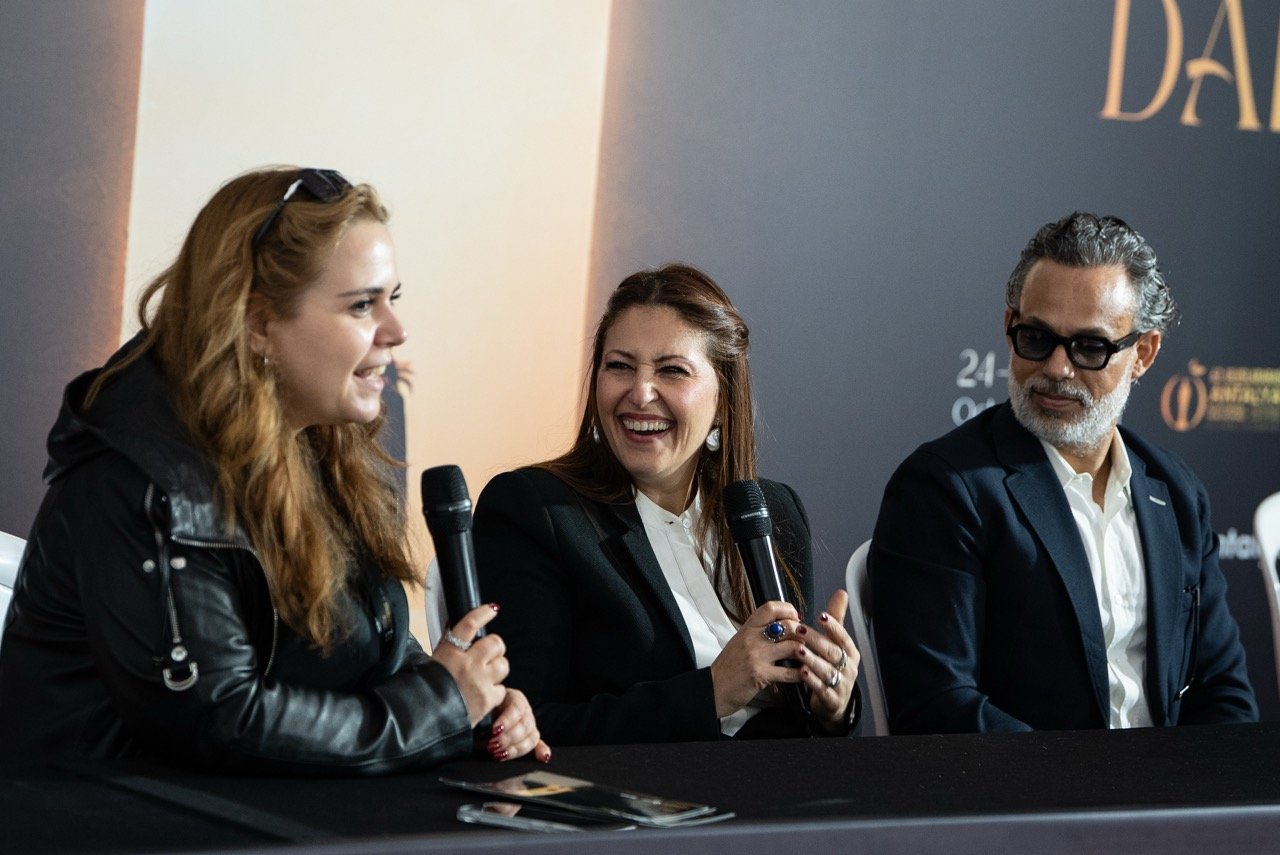
Following the screening of “Konteyner,” which tells the story of Sultan gradually establishing her own authority in her neighborhood and her struggle against a container, writer-director Gülsün Odabaş, editor Ömer Leventoğlu, and actors Semah Tuğsel and Kadir Yıldırım took part in a discussion.
“I was actually interested in the authoritarian power within us,” said director Odabaş, continuing: “But I think we artists still have a rather delicate sensibility; we still can’t be as harsh and extreme as we are in everyday life. When I asked my artist friends to read the story, they all focused on the woman’s loneliness and empathized with her! But that’s not where I wanted to go. I wanted to talk about authority and how the authoritarian power within us emerges when it gets the opportunity.”
Sema Tuğsel, who plays the lead character Sultan, shared her thoughts on the discussion:
“I had known about the screenplay two years before filming. Yes, it’s a story of loneliness, but I found the idea very interesting: a person becoming attached to something that annoys them so much, being unable to do without the very thing that annoys them, and using it to exercise authority over everyone. We didn’t emphasize the loneliness. This woman isn’t doing these things because she is lonely. She does them for herself, to establish her presence in the neighborhood in some way, and naturally, she ends up exerting pressure on people. Everyone lives there, sure; garbage is bad too, but making such a big issue of it—even to the point of keeping watch at the door—is something else.”
Alpan Esen, one of the directors of “Bir Rüyanın Hayali,” which follows an adventure that gets 12-year-old Kerem into trouble in 1990s Berlin, and producer Dilara Tigli answered audience questions after the screening.
Alpan Esen, who said they made the film around questions about masculinity that evolve over time, also shared the following details about the shooting process:
“We shot it in eight days; the rest took a little longer because of the budget. We filmed in Germany without receiving support from any fund. Still, we chose to shoot in Germany because it would be cheaper than shooting in Türkiye. Also, when you step out onto the streets of Berlin, you can see the 1990s wherever you look; there are no billboards, no big buildings, and not much has changed.”
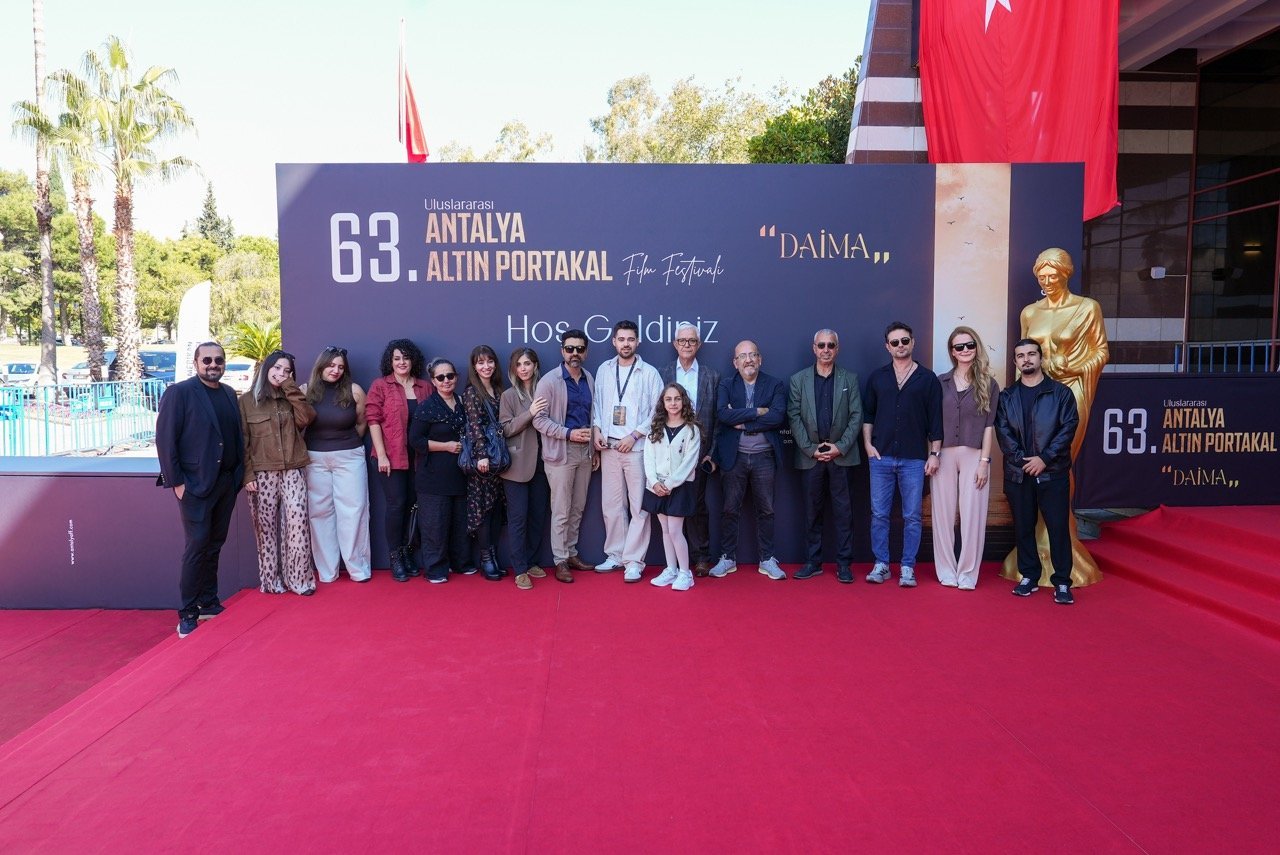
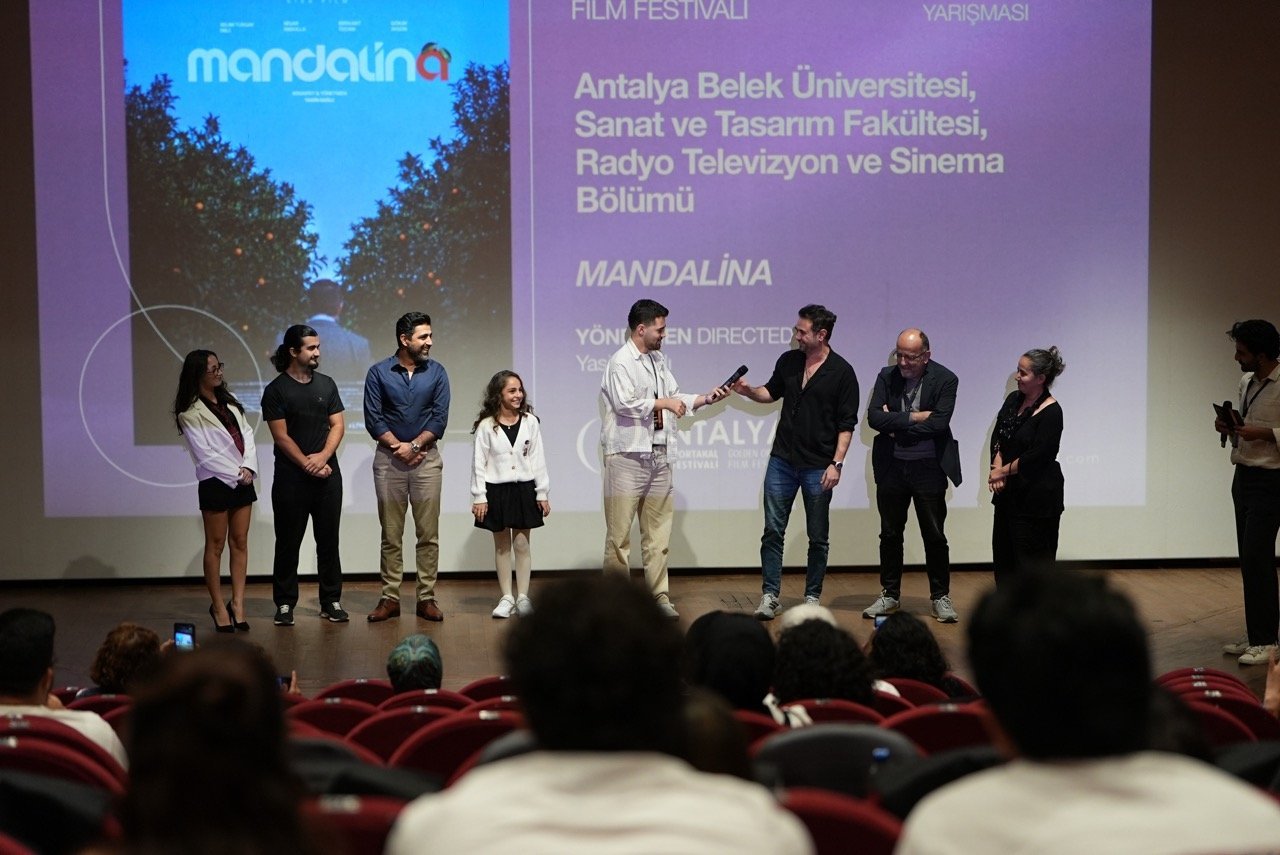
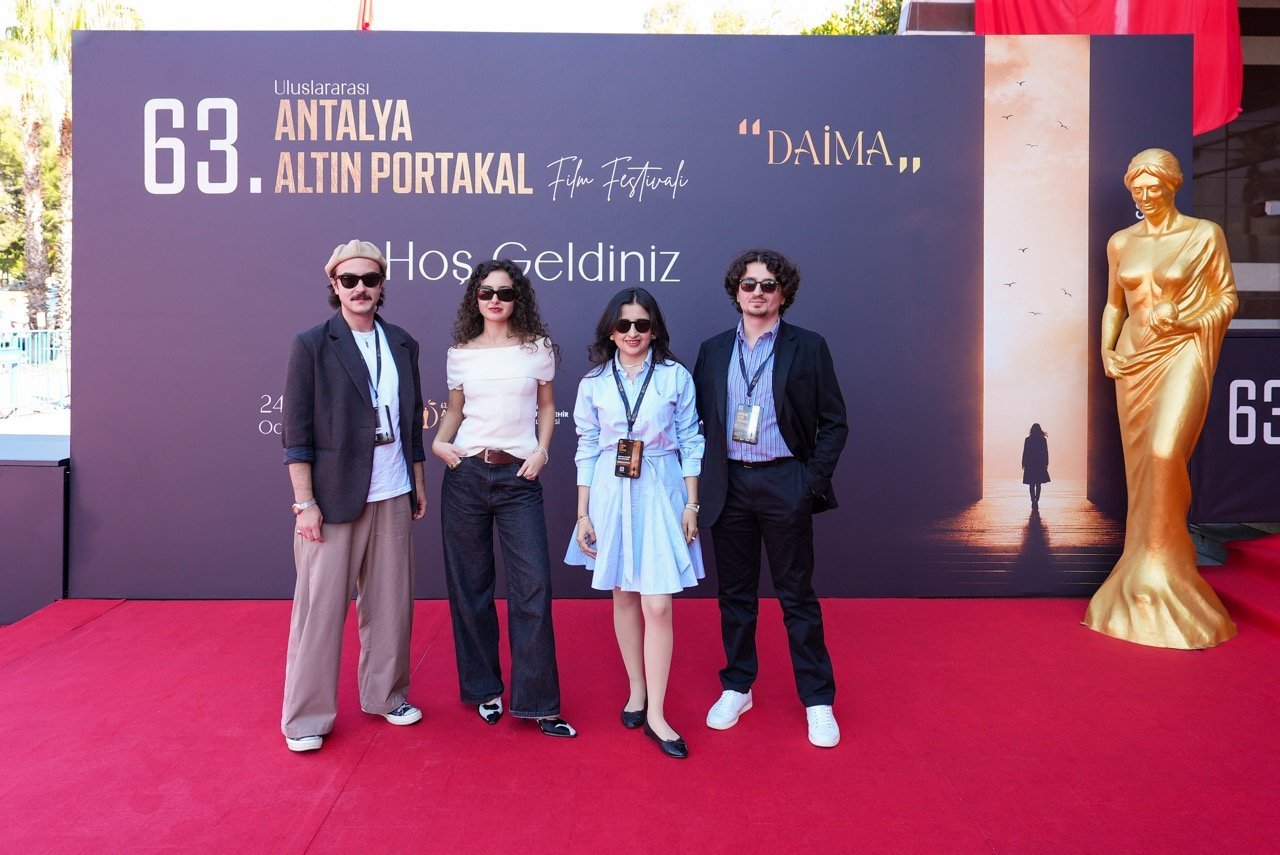
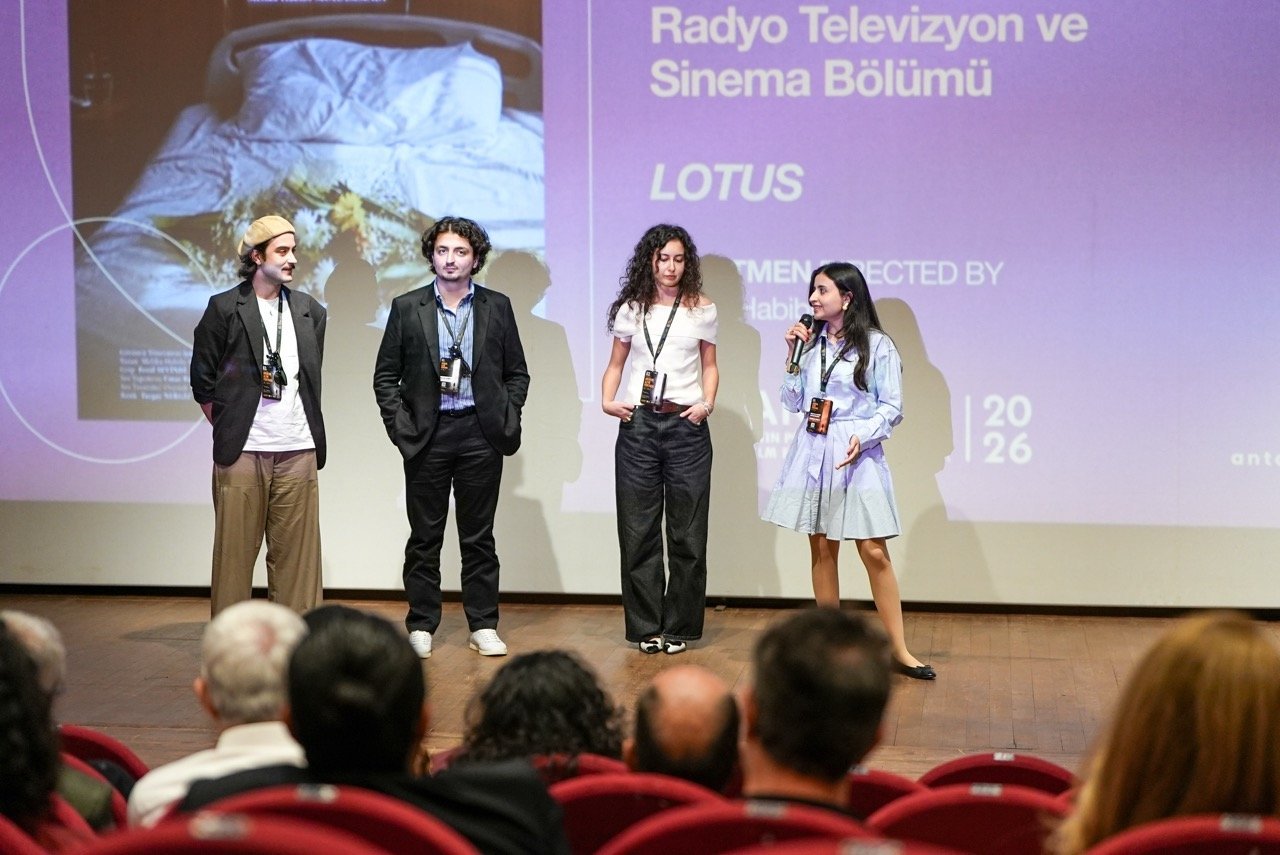
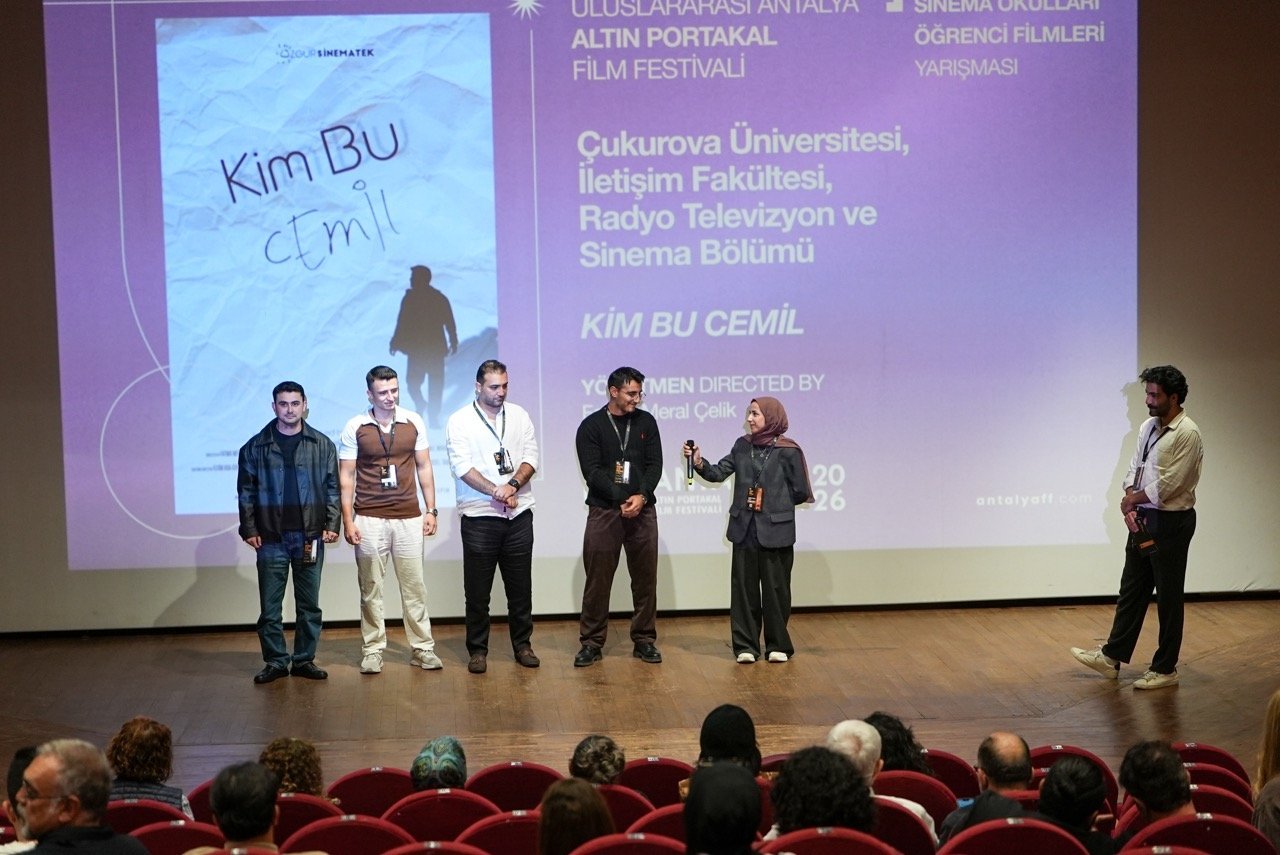
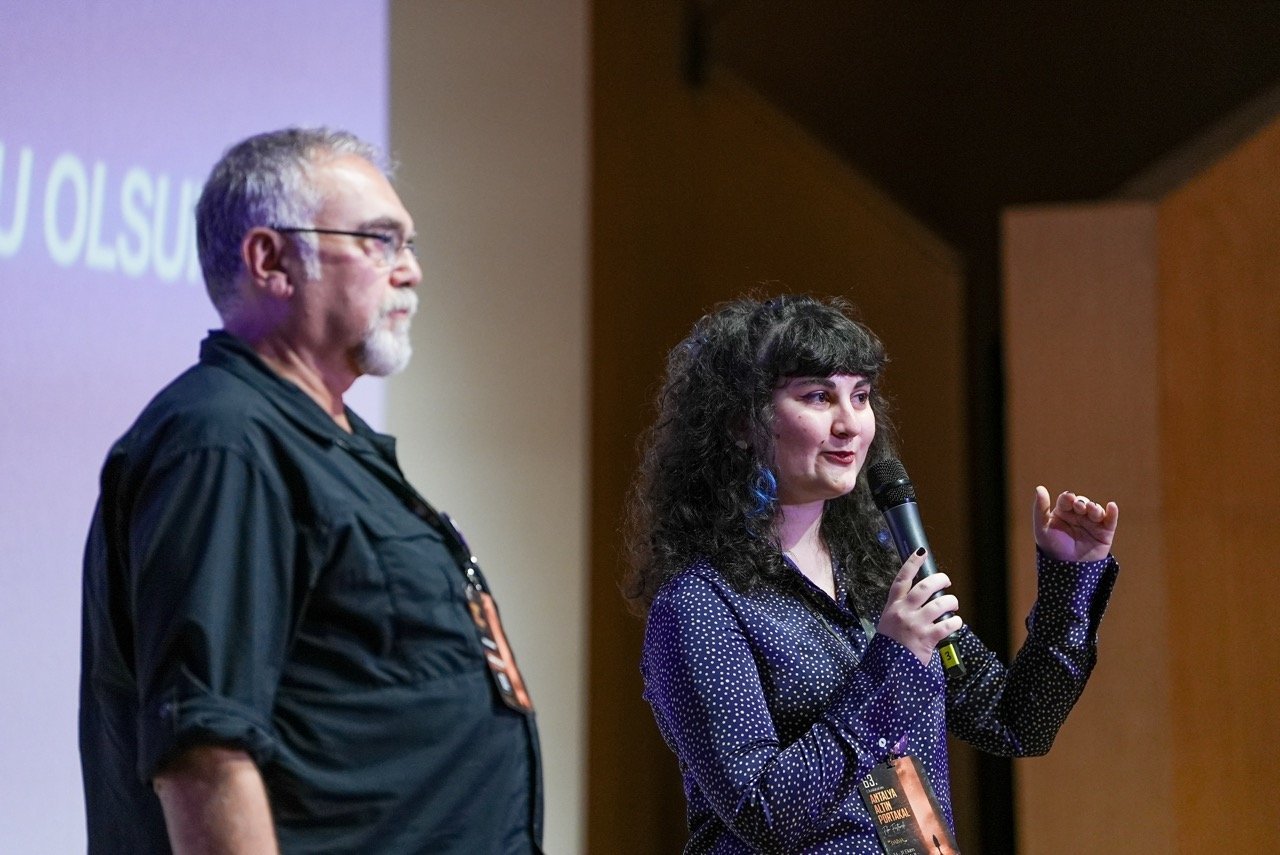
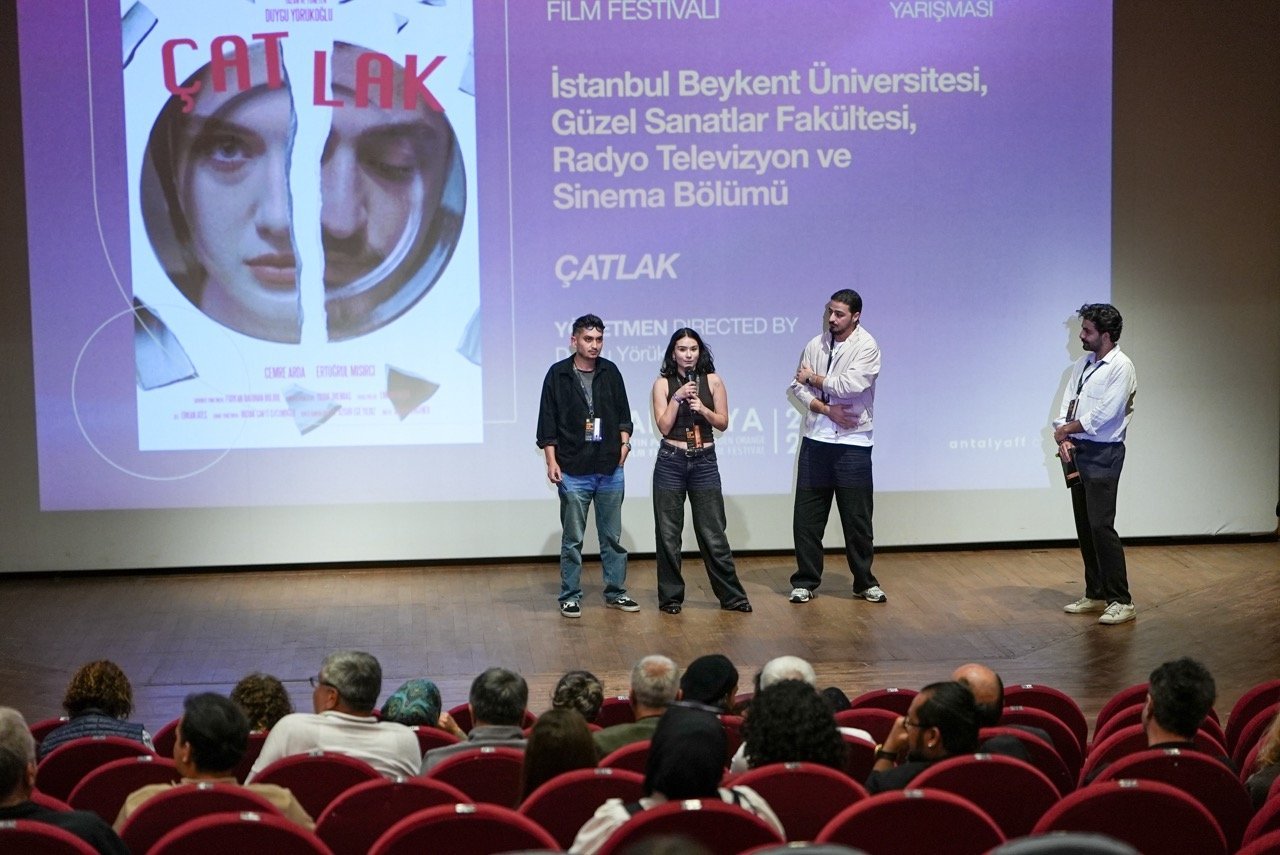
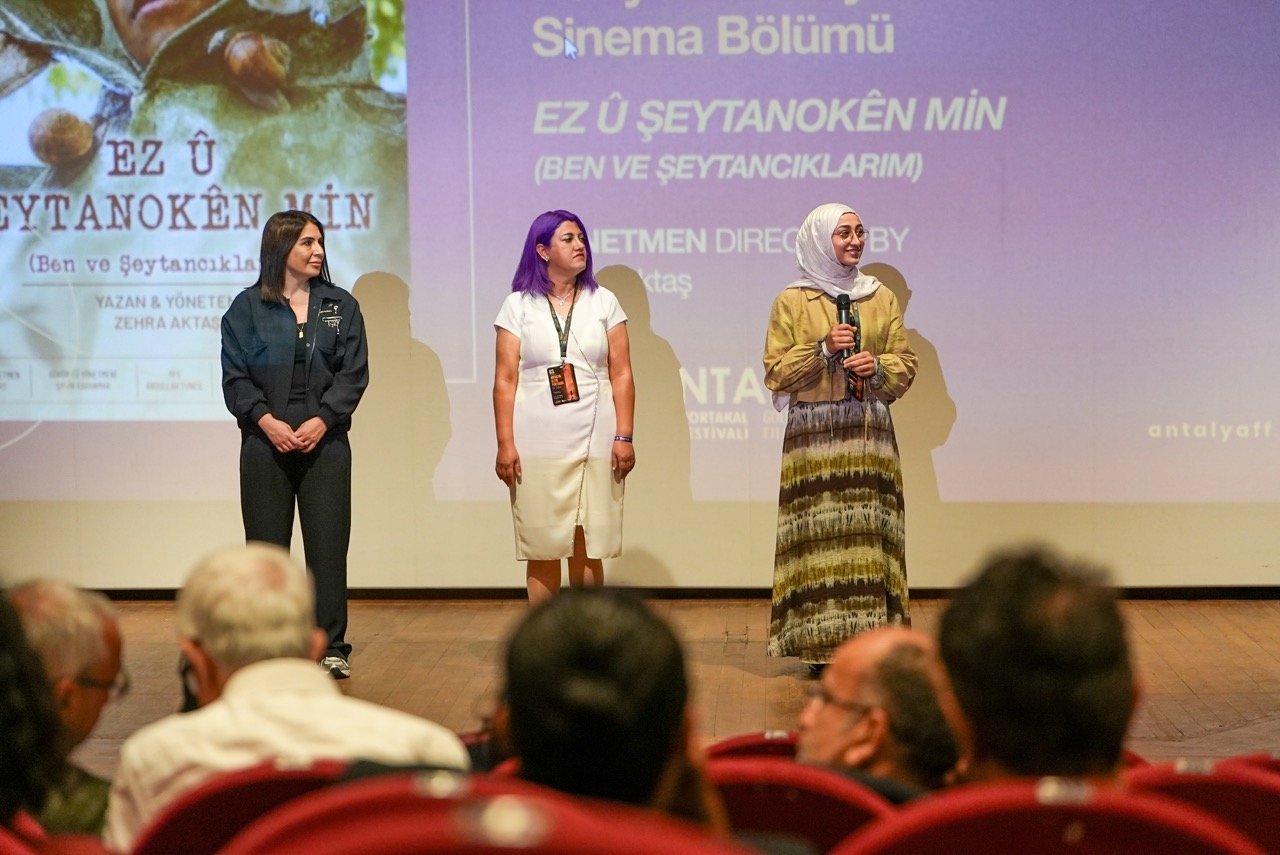
The second part of the Film Schools Student Films Competition selection was also screened as part of the festival today. “EZ Û ŞEYTANOKÊN MIN” (Zehra Aktaş), “Çatlak” (Duygu Yörükoğlu), “Dünya Günü Kutlu Olsun” (Selin Toprak), “Kim Bu cEmil” (Fatma Meral Çelik), “Lotus” (Melika Habibi), and “Mandalina” (Yasin Dağlı) were presented to audiences, and the young directors answered questions.