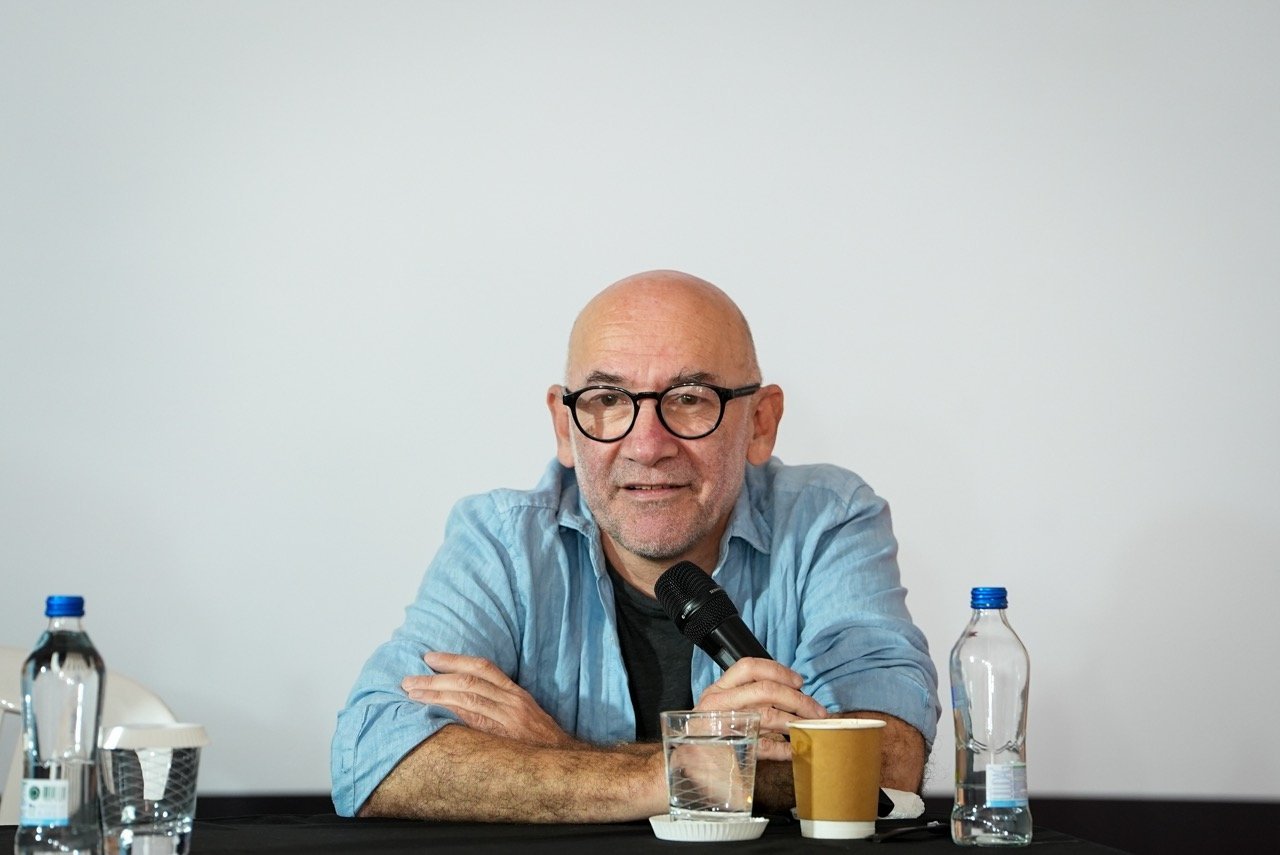
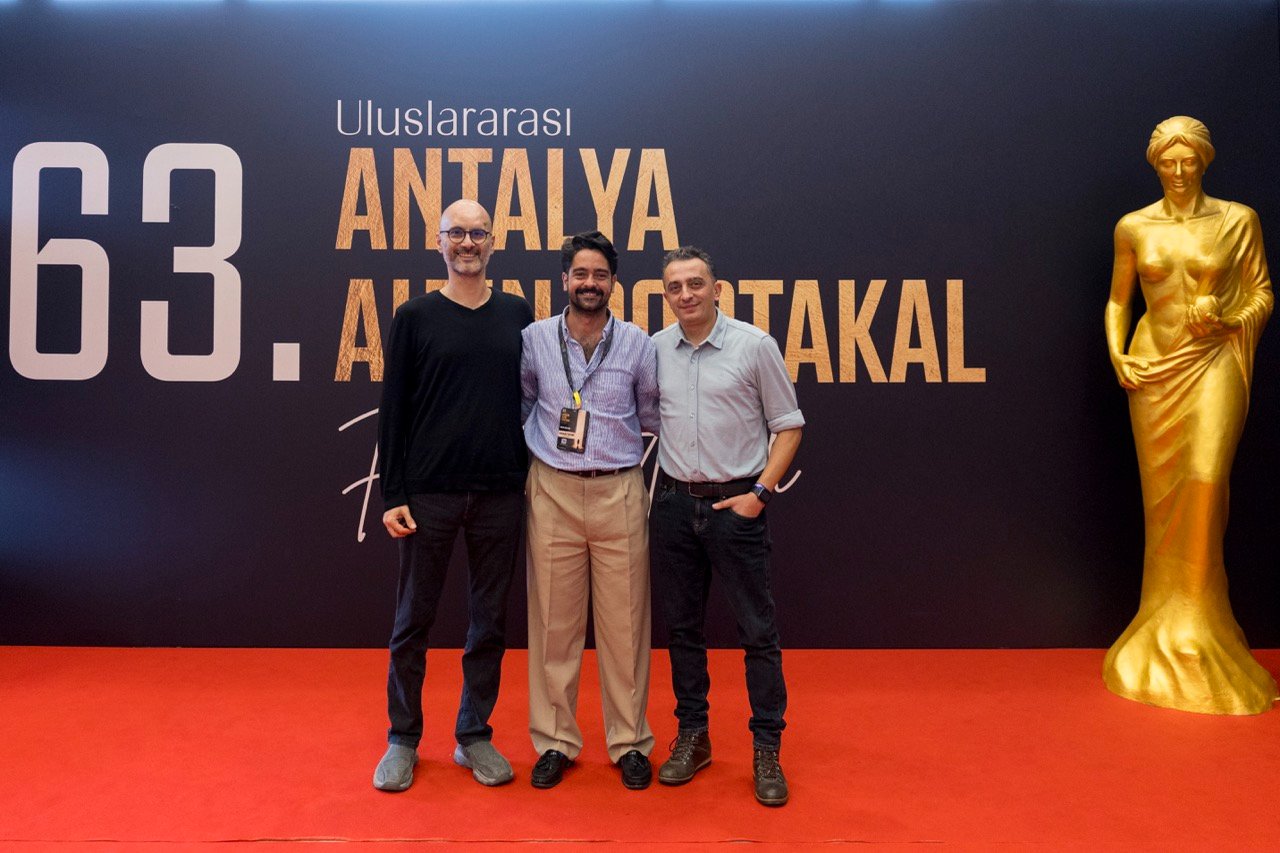
On its final day, the festival hosted two important talks. While Natali Yeres and Osman Özcan shared their experiences in film art direction, the directors of the Accessible Films Festival, Emrah Kalan and Kıvanç Yalçıner, discussed what they have done so far and what needs to be done to make cinema accessible.
The 63rd International Antalya Golden Orange Film Festival hosted two important talks on Saturday, October 31.
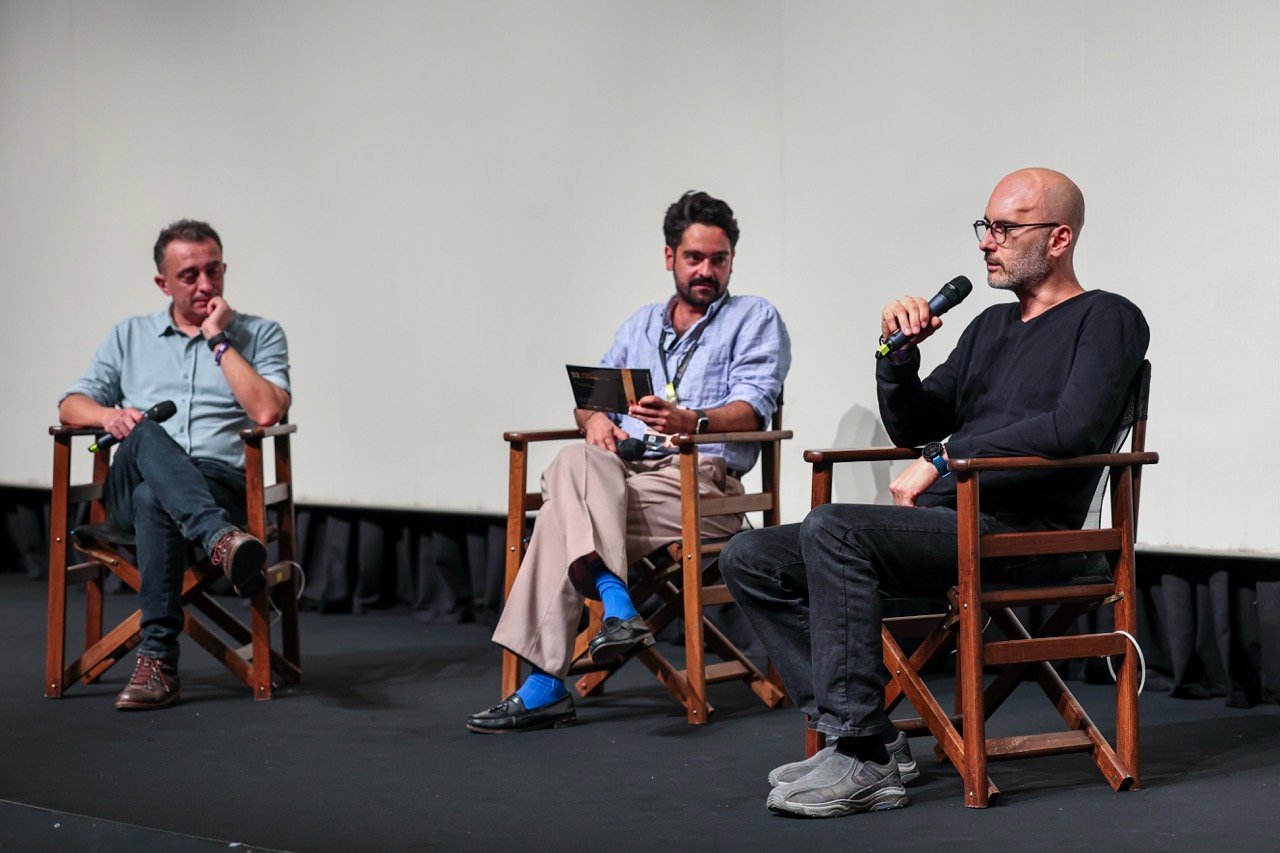
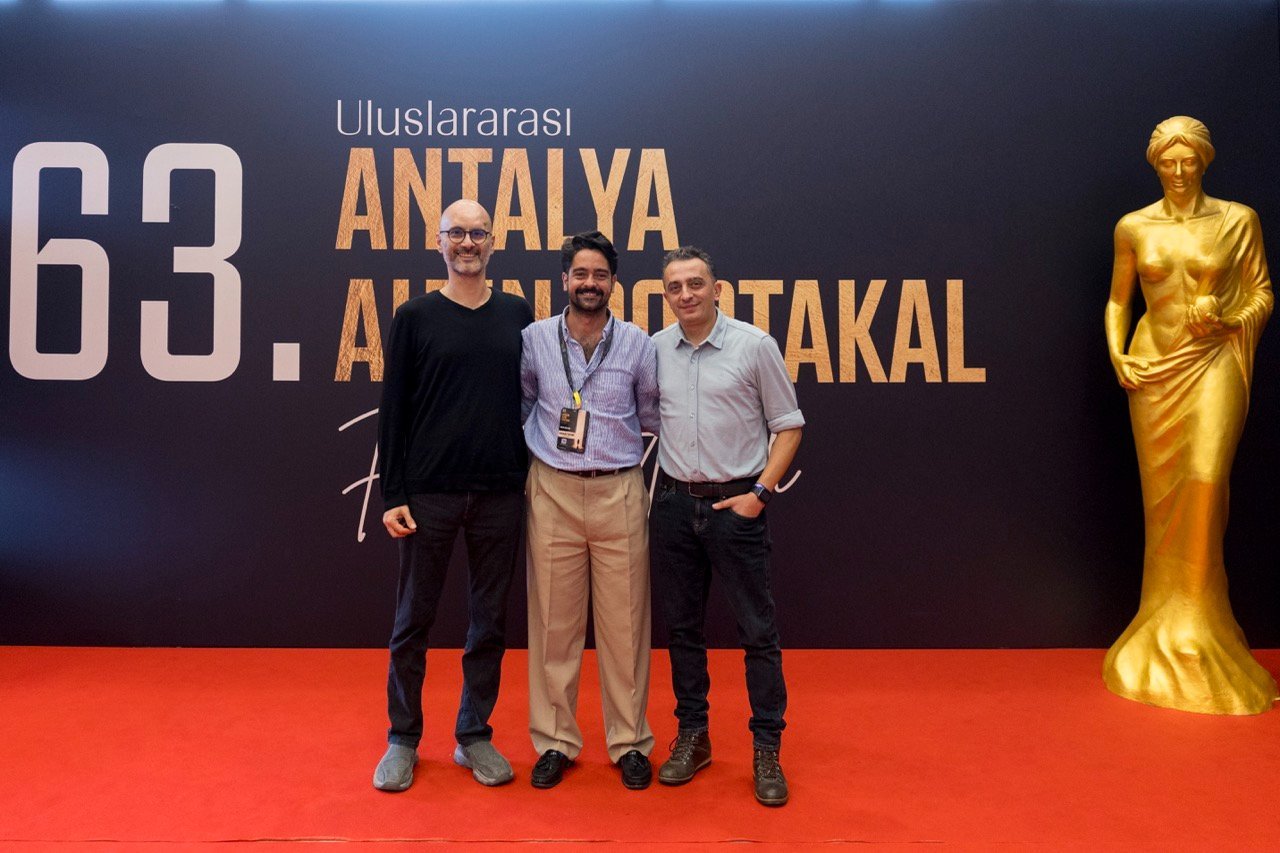
At the talk titled “Watching Films Together Is Possible! Accessible Cinema,” held at the Aspendos Hall of the Atatürk Cultural Center (AKM), Accessible Films Festival directors Emrah Kalan and Kıvanç Yalçıner shared their work to date and what needs to be done to make cinema accessible for people with disabilities. Moderated by Berk Şenöz, the talk was also simultaneously interpreted into sign language.
Noting that they launched the Accessible Films Festival drawing on their long-standing experience at film festivals in Türkiye, Kalan and Yalçıner said they set out to explore the question, “Is it possible to watch films together?”
The duo explained that they had integrated different methods into screenings to address visual, hearing, and orthopedic disabilities. They emphasized the need to offer options such as audio description for blind and visually impaired audiences, sign language or detailed subtitles for deaf and hard-of-hearing audiences, and adjustments to auditorium conditions for people with orthopedic disabilities.
Yalçıner said the biggest problem was “the accessibility of venues”:
“For instance, when you take a quick look around here, you see that the areas accessible to someone using a wheelchair are very limited. There are elevators and ramps now; there weren’t any twenty years ago. Finding a venue that has the technical infrastructure and is also accessible to people with orthopedic disabilities is a serious problem.”
Yalçıner also noted that they held workshops to raise awareness among filmmakers, and explained why they were needed:
“Audio description, for example, is like translating a novel or a poem from one language into another. A director makes a film and tells a story; the person providing audio description tries to convey the film to a blind person by selecting what they understood, what they saw, and what they want to emphasize, fitting it between the dialogue as much as possible, since they cannot describe everything. We believe the director and producer should actually be involved in this process.”
Yalçıner also noted that they had established a network among accessible film festivals around the world, and shared the following information about the BE IN Accessible Festivals Network:
“In 2013, after deciding to organize an accessible festival and figuring out how to do it technically, we researched whether similar festivals existed elsewhere in the world; we found some in Athens and Australia. We contacted them, and they provided us with various documents, such as festival reports and audience habits. There are several festivals in Europe, one in Barcelona and another in Hamburg. We visited them and invited them to our festival as well. Over the years, together with five other festivals, we established the BE IN Accessible Film Festivals Network.”
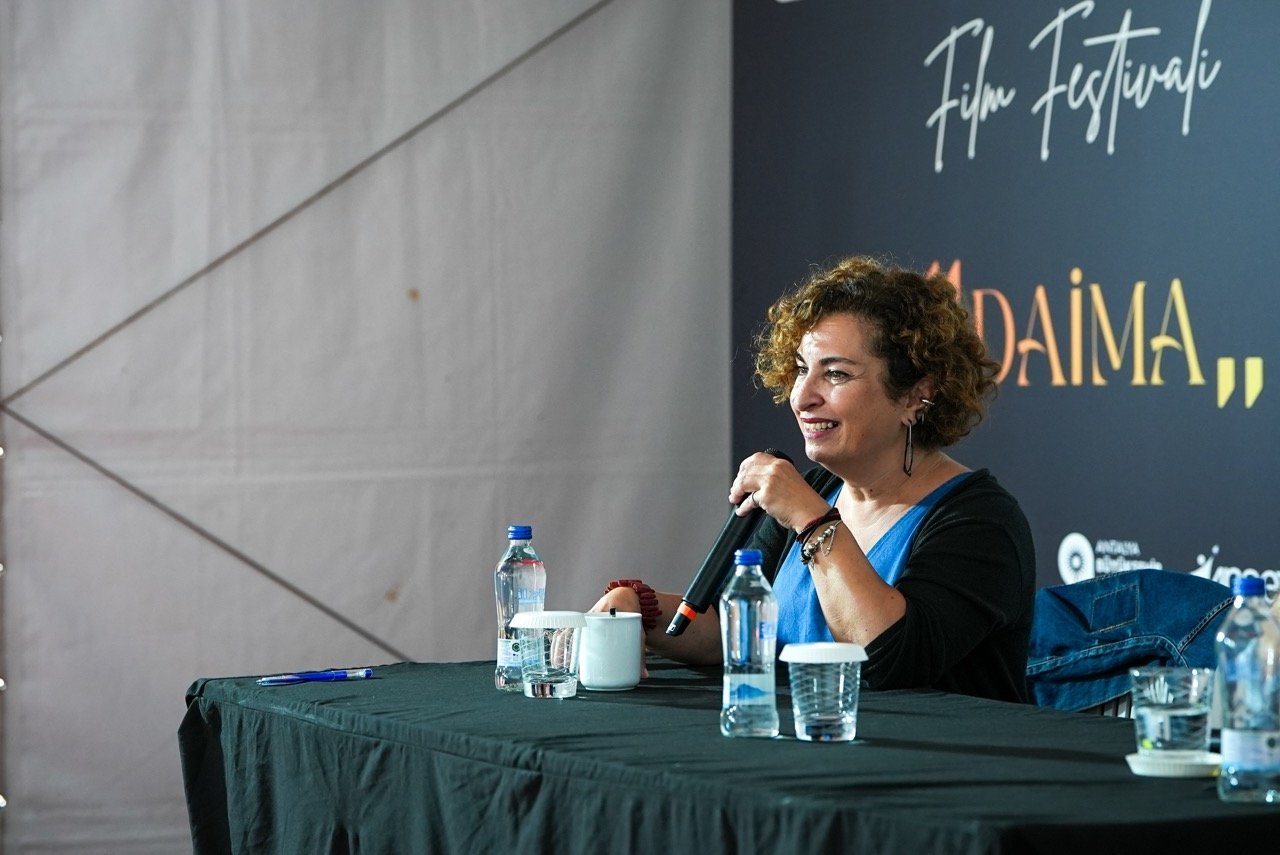
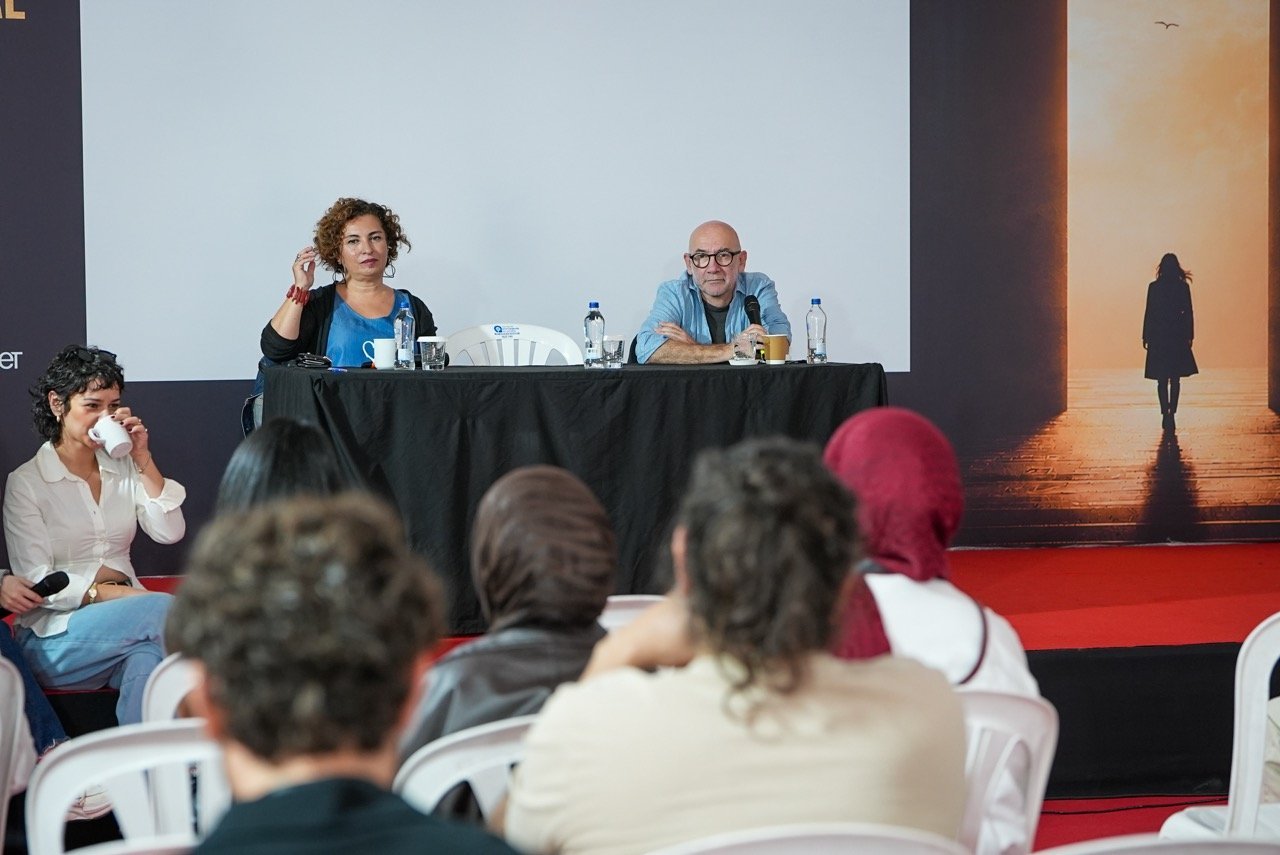
The festival’s second talk of the day was “How We Got Started – Set Stories from Two Designers,” featuring art directors Natali Yeres and Osman Özcan.
Natali Yeres began by defining the role of an art director, saying:
“The answer to the question ‘What does an art director do?’ is that they create a film’s visual identity. As you know, there are three people on a set who carry the title of director: the director, who shapes the film’s technical and artistic vision based on the screenplay; the cinematographer, who establishes the film’s technical visual language; and the art director, who creates the colors, objects, locations, costumes, hair, makeup, and archetypes—building characters and also bringing those characters into their environments.
“Our job is essentially to make things look as if they were real. Sometimes, you don’t actually need a marble tombstone; we make one out of Styrofoam to look like it is. Costumes don’t necessarily have to be made of silk, but knowing materials is our job. Of course, we also need to understand lighting and cameras.”
Osman Özcan, noting that art directors work in collaboration with the director from as early as possible in a film’s production, described their working method in broad terms:
“There is a question at the beginning: What kind of film will this be? The director has certain ideas in mind, but these are never exact specifications. There is a stage of thinking and a stage of design. Artistic elements come into play here; we begin to consider them together with the director and cinematographer. We try to establish this world: will we need a location, or will we build one? From finding or creating locations to arranging them, deciding on the set props, and ensuring coherence among all these elements… establishing a unified visual language is important.”